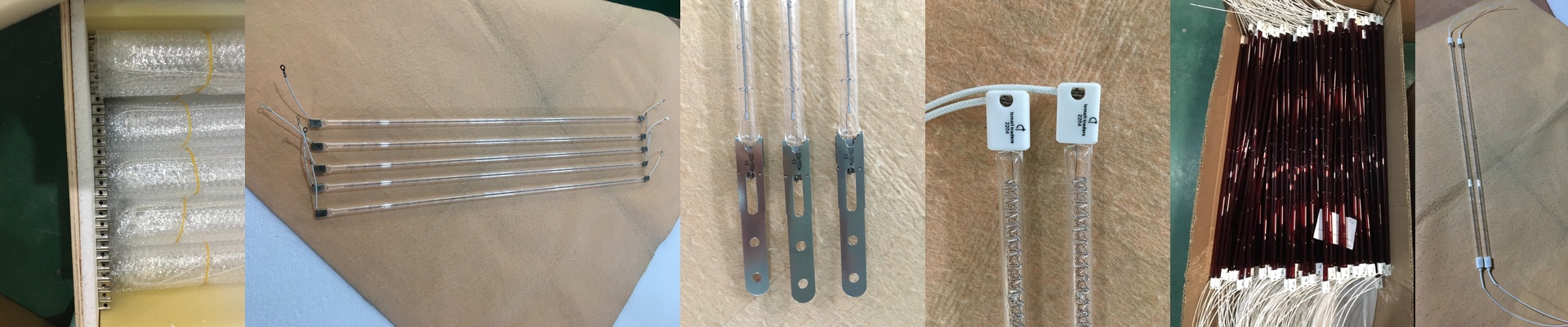
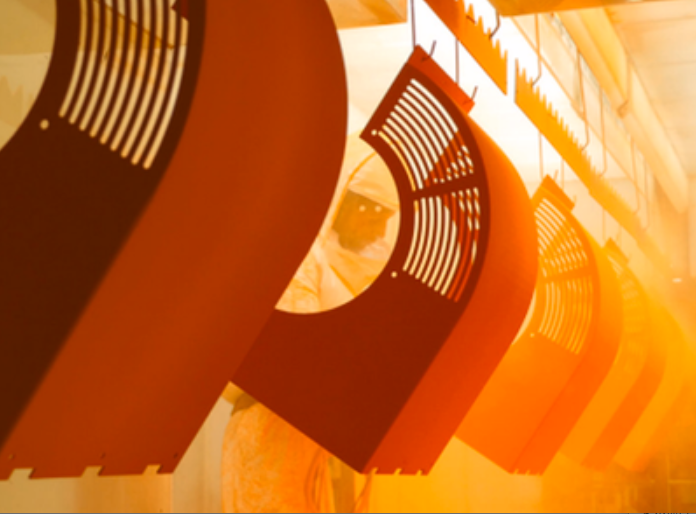
We got the call when an aluminum plant was stuck in a six-month nightmare with their powder oven. Parts were coming out with uneven film, and the scrap pile was growing by the day. They’d checked the burners, they’d checked the airflow—everything seemed fine on paper. Turns out, the real culprit was sneaking up on them: the oven was leaking heat right through the walls. So we rolled in and reworked the insulation system. Our goal? Lock the heat inside, kill the hot and cold spots, and make the whole process predictable again. **Here’s the thing about powder curing:**it doesn’t need brute force. It needs steady, even heat. So we matched the heating elements to the oven’s size and the plant’s electrical setup. They run on 400V, which keeps the current lower over long runs—no more voltage drop, no more uneven heat across the chamber. We also made sure the elements were sized to the oven’s footprint. That way, the wattage density is just right: the oven snaps back to temperature fast after the door opens, but never overshoots the setpoint. And geometry? It matters. We laid out the elements with careful clearances to avoid localized hot spots that can ruin the powder finish. **We didn’t just pile on more insulation.**We built the stack the right way. The inner face takes the direct radiant heat, so it’s a high-temp dielectric that can handle thermal shock. Behind that, a dense ceramic fiber board stores the heat and gives structural support. Then the outer jacket—heavy-gauge steel—protects everything and keeps the outside safe for the operators. And we sealed every joint with high-temp gaskets. No bypass air. That’s often the quiet troublemaker behind uneven curing. **Once the new insulation went in, the change was immediate.**The temperature swing dropped way down. Zones that used to drift now hold steady. The heat profile across the conveyor is finally uniform. The payoff? Consistent curing, far fewer rejects, and a line that runs at a stable speed again. Now, a heads-up: the denser insulation adds weight, so you’ll need a solid mounting frame. Just plan for that and double-check your clearances before wiring things up. When the heat stays where it belongs—inside the chamber—the whole process settles down. For a powder oven, that calm, predictable feeling is the difference between scrap and shipment. And that’s the story of how tackling the heat loss fixed the curing problem for good.