Oven and Furnace Halogen Lamps: Specs, Physics, and Real-World Installation
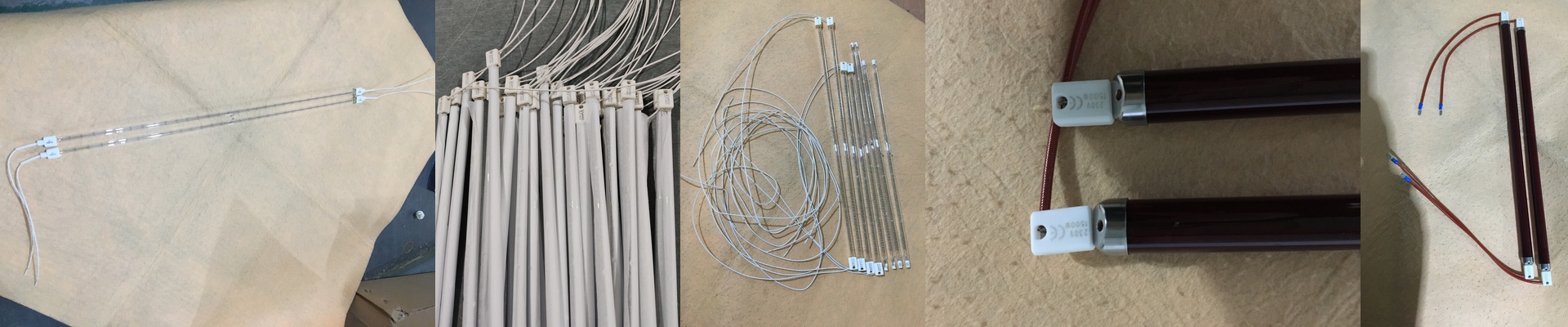
We build oven and furnace halogen lamps for one reason: to deliver controllable, high-intensity infrared heat in a compact footprint. If you need rapid temperature rise, stable output under cycling, and a heater that fits tight chambers, this is the tool. It is not general-purpose lighting; it is a thermal workhorse.
Technical Deep-Dive: Power, Voltage, and Dimensions
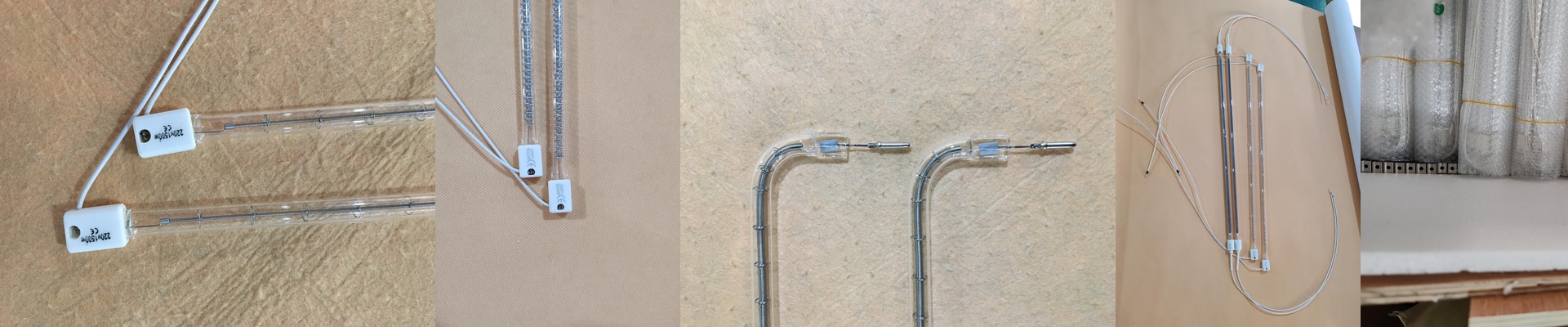
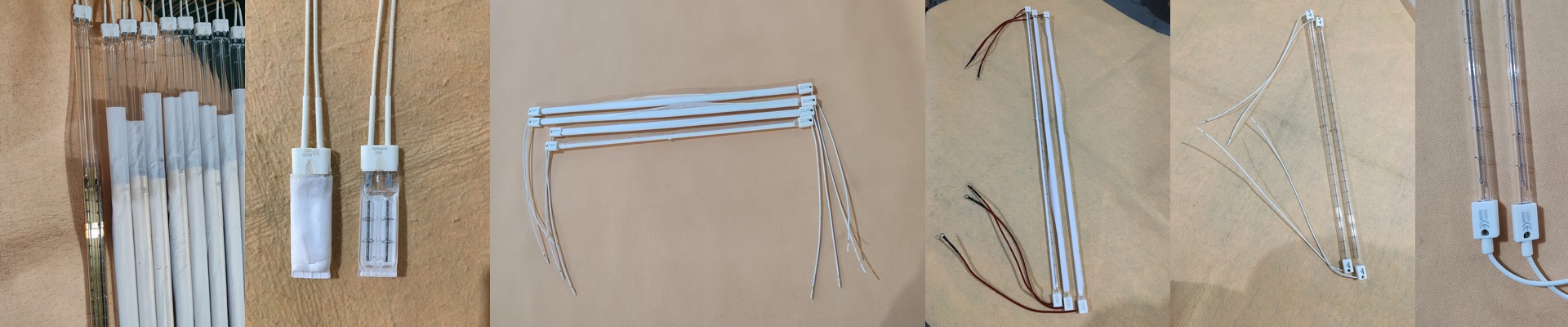
Halogen lamps used in ovens and furnaces are specified like industrial heaters, not like household bulbs. Power and voltage define the heat input and the electrical interface. A 400V rating is common in industrial lines because it reduces current for the same power, which keeps conductor and contactor sizing manageable and lowers voltage drop over longer runs. Wattage sets the heat load. A 2500W halogen lamp can deliver intense heat density from a small tube, enabling fast ramp-up in a confined oven zone. Length and diameter matter because they determine the heated area and how the lamp fits into the machine. A 300mm tube gives you a defined heat spread along the chamber width. A 10mm diameter keeps the profile small, so you can mount it close to the target without blocking tooling or airflow. This is also where the trade-off shows up. High wattage in a small tube means high surface temperature. That is exactly what you want for fast heating, but it demands proper clearances and a chamber design that can shed the heat. If your oven or furnace is tightly sealed, plan for cooling capacity and thermal management to keep the surrounding components from cooking.
Material and Design: Halogen, Quartz, Coating, and Connectors
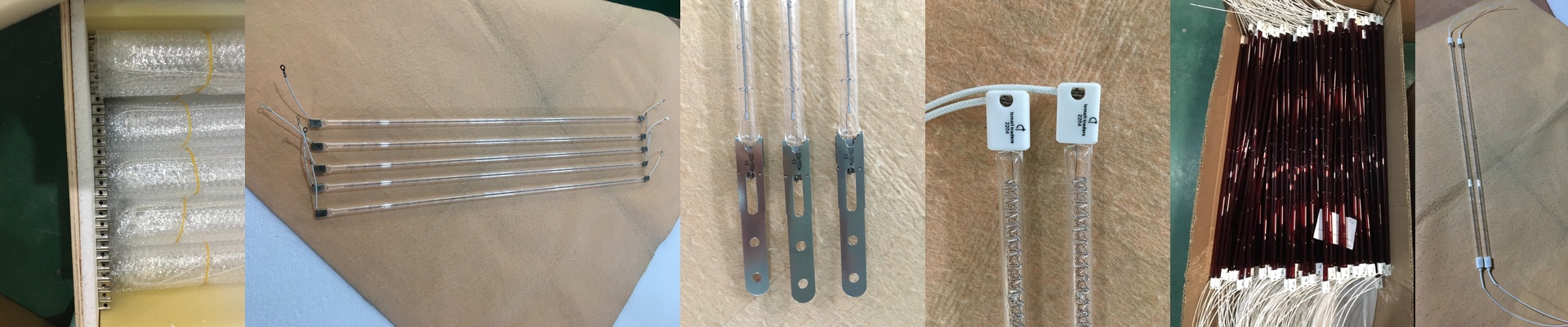
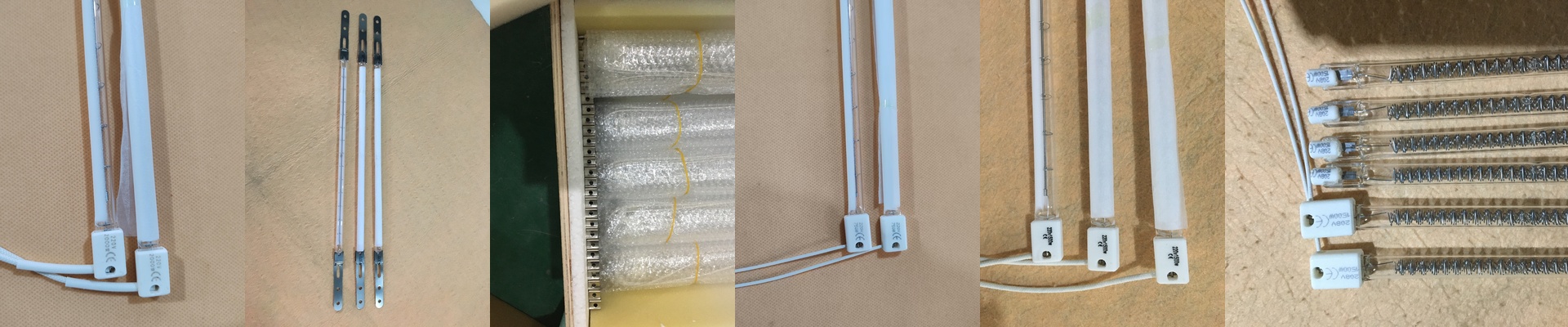
The core is a quartz envelope with a halogen cycle. Quartz handles the high filament temperature and gives you high transmittance in the infrared band. The halogen cycle keeps the inside of the envelope clean by redepositing evaporated filament material back onto the filament, which stabilizes output and extends life compared with standard incandescent designs. Coating is not cosmetic. A reflective coating on the back of the lamp focuses infrared energy forward, increasing power density on the target. This boosts efficiency in the heating zone and reduces wasted heat onto the chamber walls. Connectors define how fast you can wire the unit and how reliable the connection stays under thermal cycling. An R7s base is a common industrial choice because it provides a secure, low-resistance contact with good mechanical retention. It holds tight when the lamp runs hot and vibrates during machine cycles.
Application and Benefits: Why Engineers Choose This Configuration
We see this configuration used where fast, localized heating is the bottleneck. In oven and furnace applications, you often need to hit a setpoint quickly, hold it with stable radiation, and repeat the cycle without maintenance. Halogen lamps deliver that with rapid response and predictable output. For you, the benefit is engineering control. You can spec a 400V 2500W lamp on a 300mm × 10mm form factor, mount it with an R7s base, and get a drop-in heater that fits the machine footprint. The concentrated heat means shorter warm-up times and smaller heated volumes, which can simplify chamber design and reduce idle energy. The reality is that high heat density requires disciplined integration. Plan mounting distances to avoid overheating nearby parts, verify terminal temperatures, and ensure the control system can manage the inrush and thermal inertia. When you match the lamp to the chamber, you get repeatable heating that keeps the line running.