Getting the Most Out of Our Halogen Heating Lamps (300W to 2000W)
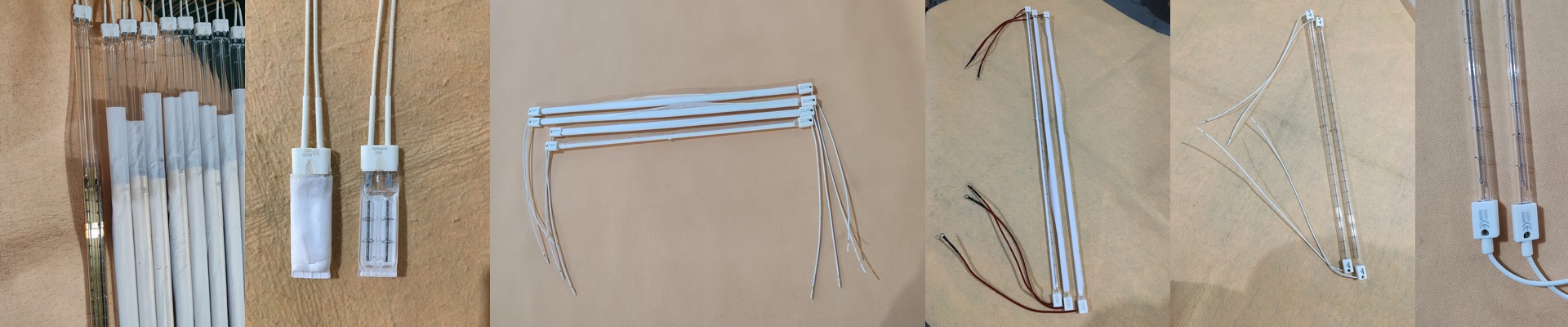
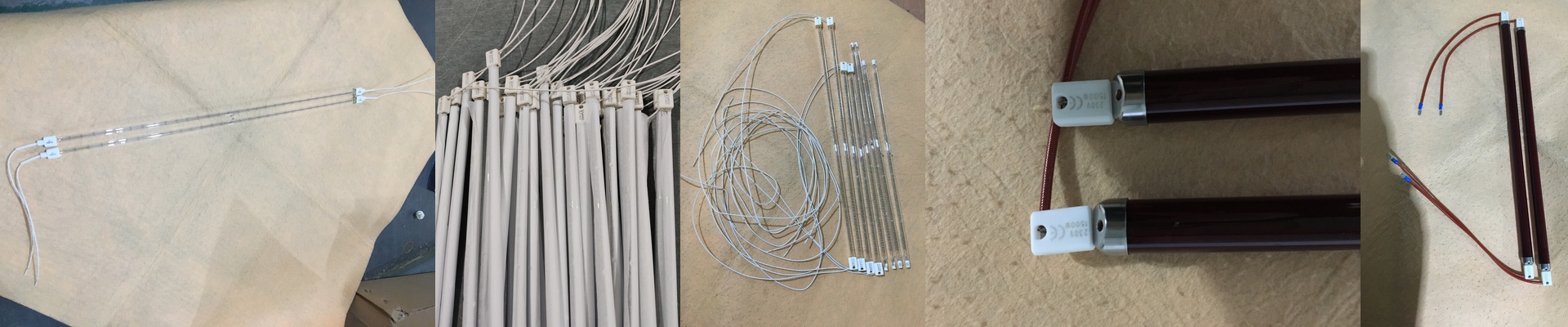
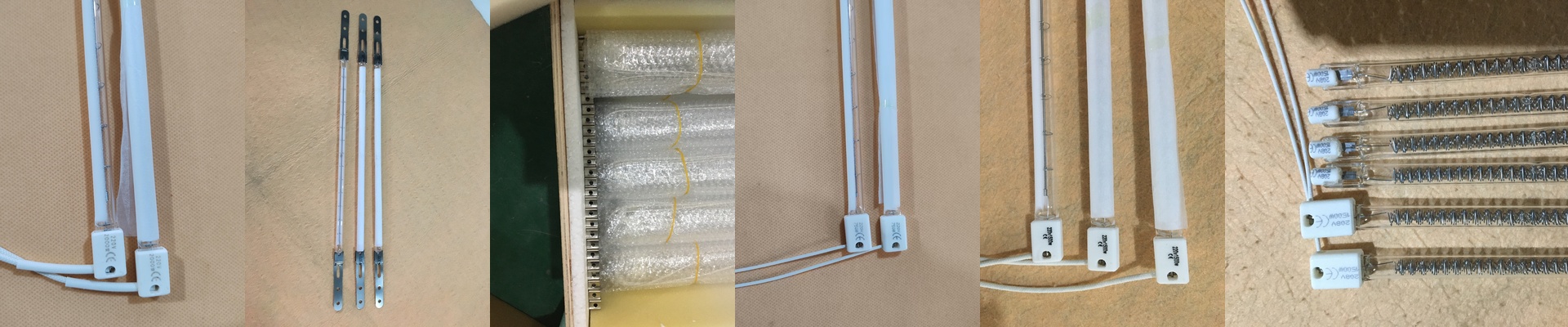
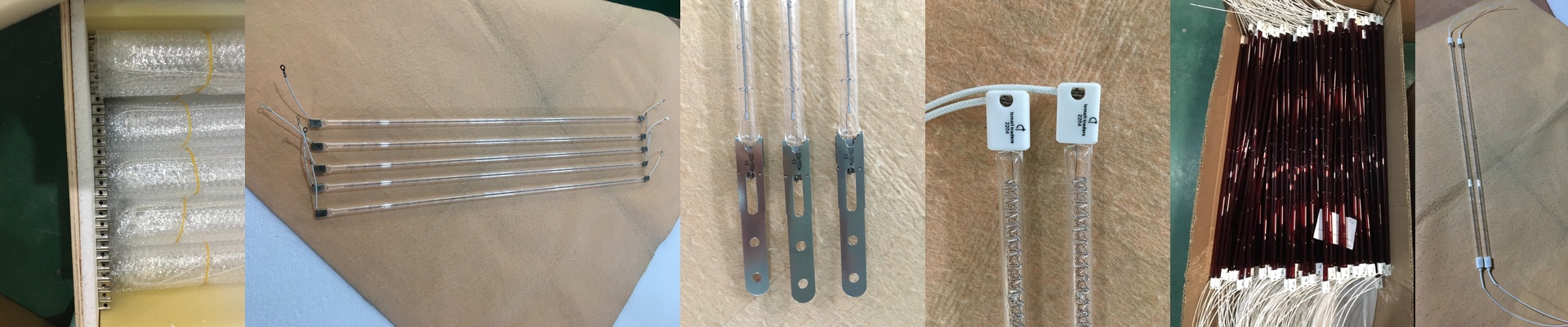
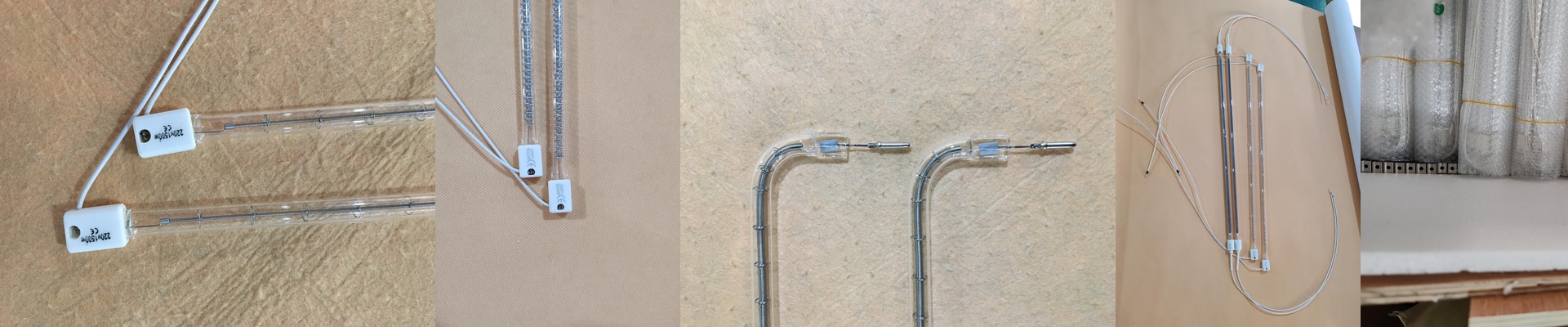
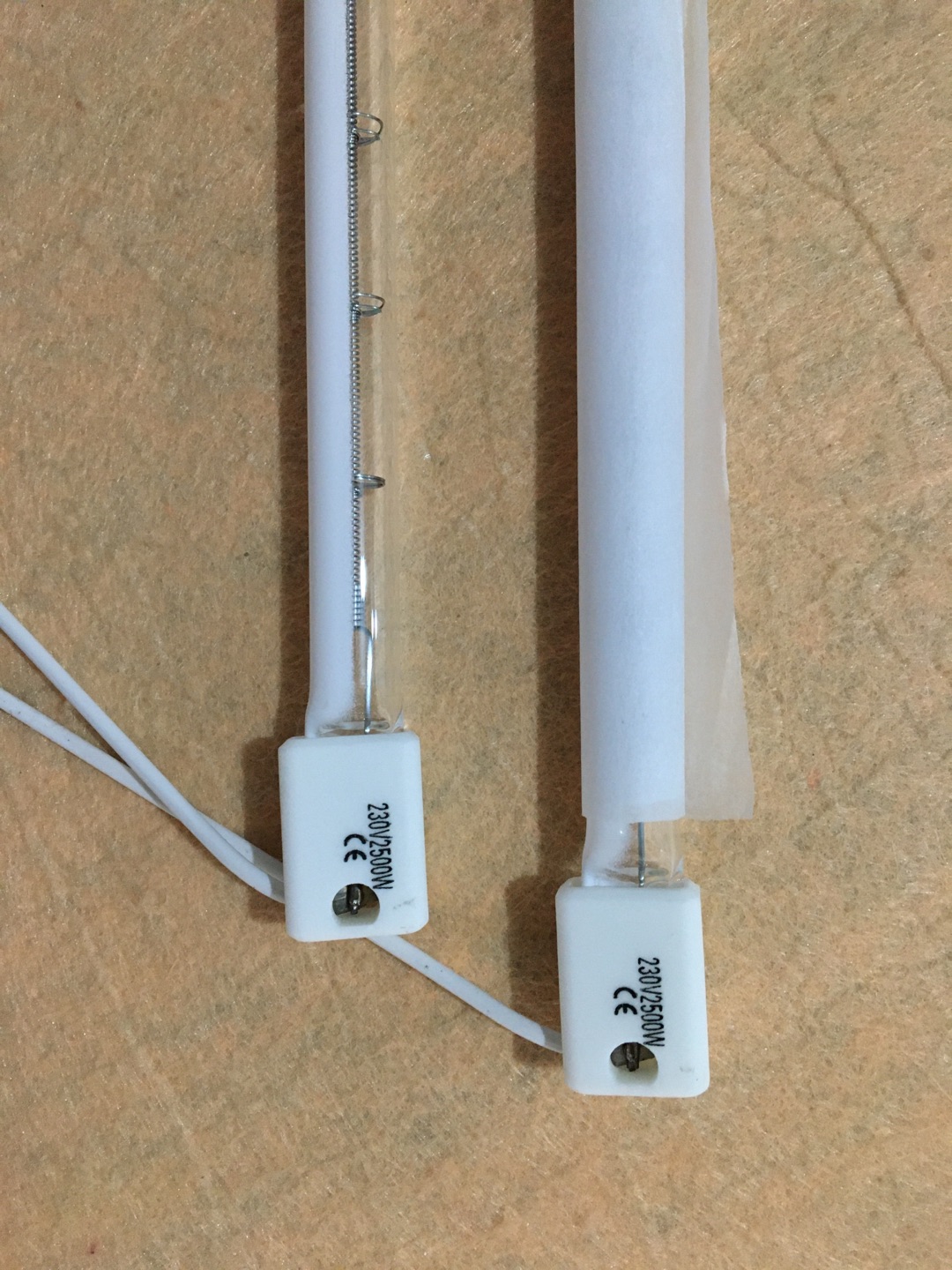
We built these lamps to do one thing: push concentrated infrared energy exactly where you need it. Depending on how much space you’re working with and what you’re actually trying to heat, you can go as low as 300W for light curing or crank it up to 2000W for the heavy-duty stuff. Picking your power Here is the thing about wattage. Whether you go with 300W, 500W, 1000W, or 2000W, you’re basically deciding how much heat hits the target per inch. A 2000W lamp is a beast. It throws a massive amount of energy, but it’s going to put a lot of pressure on your power supply. You’ll want to make sure your voltage matches your controller perfectly. If you don’t, you’re just asking for a burnt-out filament. Usually, the lower wattage lamps are great for just keeping things warm. But if you need to ramp up the heat fast? That’s where the 1000W and 2000W units come in. The build We use high-purity quartz glass. Why? Because the internal temperatures of a halogen cycle are brutal. Standard glass would just soften and sag, but this quartz holds its shape. For the wiring, we stuck with R7s or SK15 connectors. They’re easy. You can just drop them right into most industrial ovens or PET blowing machines without a headache. Plus, we offer some versions with a special coating. It shifts the emission spectrum, which is a fancy way of saying it helps the heat soak deeper into thicker plastics instead of just hitting the surface. Real-world use You’ll mostly see these in shrink-wrapping or PET bottle blowing. The short-wave radiation hits the material almost instantly. It’s fast. Really fast. And that means your cycle times drop, which keeps things moving. But a heads-up: those high-wattage tubes get incredibly hot. If you’re packing a 2000W array into a tight spot, make sure your cooling fans can actually handle the heat rise. If the housing gets too hot, your lamps won’t last nearly as long. And one last tip? Keep an eye on your reflectors. If they get oxidized or dirty, your efficiency tanks. Give them a clean, and you’re good to go.