The Secret to Getting Paint to Cure Without Burning Everything
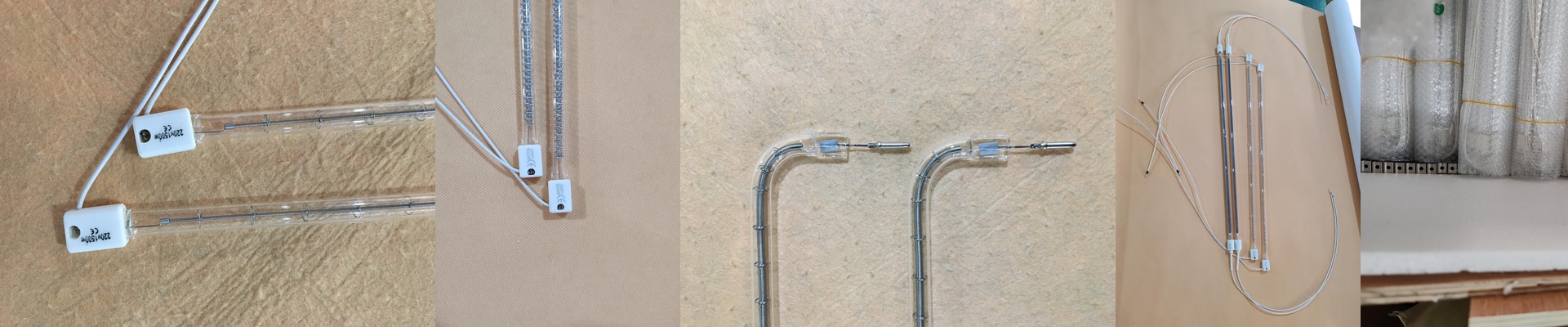
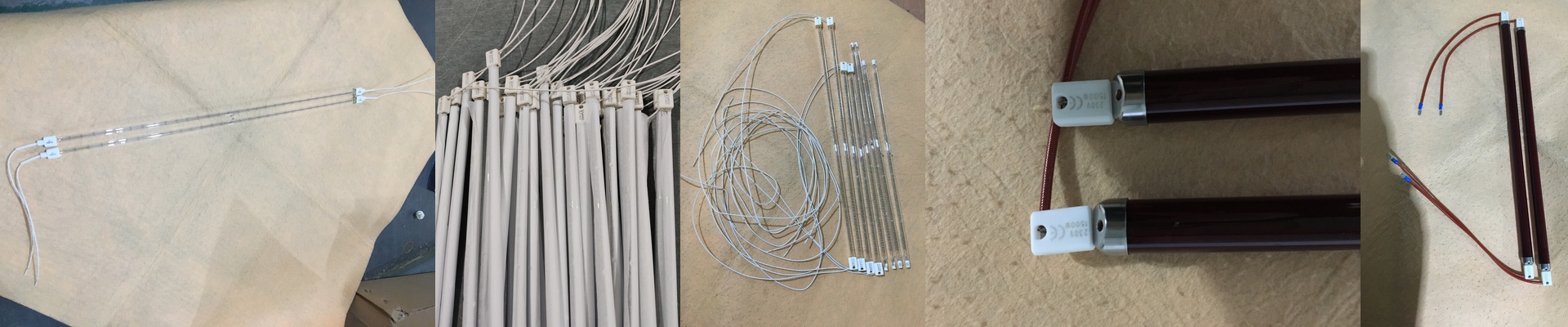
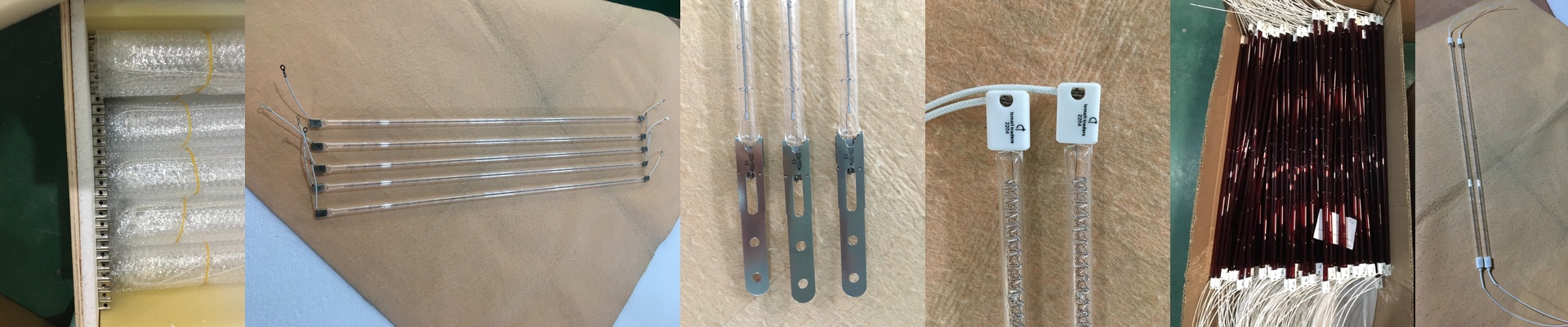
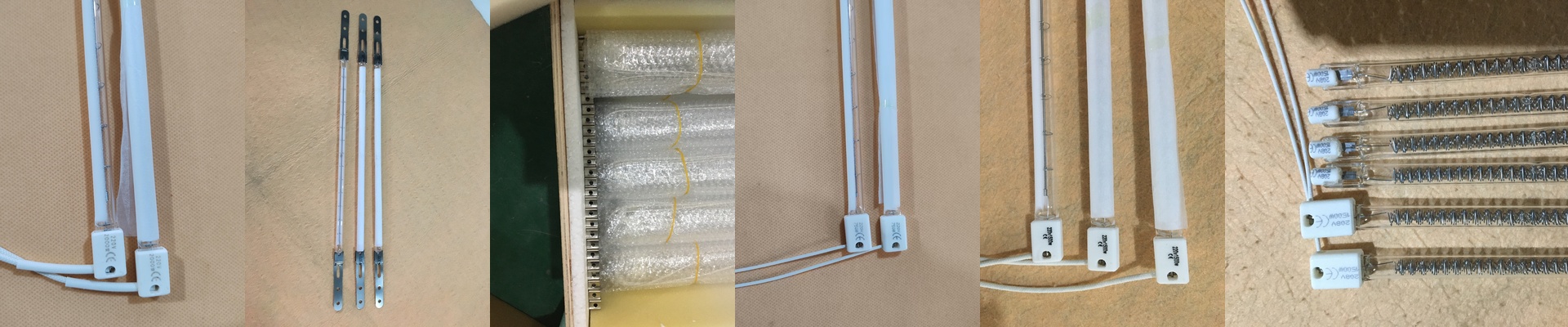
Getting paint to cure right is a bit of a balancing act. You need enough heat to trigger that chemical reaction—polymerization, if you want to get technical—but not so much that you scorch the part. That’s where shortwave halogen IR lamps come in. Instead of wasting energy heating up your entire conveyor belt or the heavy metal part itself, these lamps shoot heat straight into the paint layer. It’s fast. Really fast. Talking Power and Heat Here’s the thing about wattage and voltage: they basically control how hard the lamp hits. High-wattage tubes create an intense field of energy that turns into heat the second it touches the paint. But you’ve got to be careful. If your voltage doesn’t match your power supply, you’re looking at a burnt-out lamp way sooner than you’d like. And if you put a high-power lamp in a tiny space? You’ll probably overheat your substrate. It’s all about finding that sweet spot. Why Quartz and Halogen Matter We build these things with high-purity quartz glass because it can take a beating. When the filament gets white-hot, the glass needs to handle that expansion without cracking. Inside the tube, there’s halogen gas. Its job is to stop tungsten from gunking up the glass walls. This keeps the tube clear so the heat keeps flowing consistently for the life of the lamp. Depending on what you’re painting, we can even add special coatings to the quartz. This makes sure the heat hits the pigments and doesn’t just soak into the metal underneath. Setting It Up (And the Catch) Getting these into your line is pretty easy. We usually use R7s or similar spring-loaded connectors, so they just snap in and stay put. The best part is the ramp-up time. They heat up almost instantly, which means your curing cycle shrinks. But there is a trade-off. Shortwave IR is aggressive. If your parts have some thin spots and some thick spots, the thin areas will heat up way faster. To avoid those annoying hotspots, you’ll need to spend a little time tweaking your belt speed and the distance between the lamp and the part.