Halogen Heating Elements: The Tiny Powerhouses for Industrial Precision
Halogen heating elements are basically compact, high-intensity infrared workhorses. They’re built for one thing: delivering fast, focused heat exactly where you need it. When space is tight and timing is everything, these are the go-to. You’ll find them humming along on packaging lines, in plastic processing gear, and even in lab setups that demand serious precision.
What’s Actually Happening Inside?
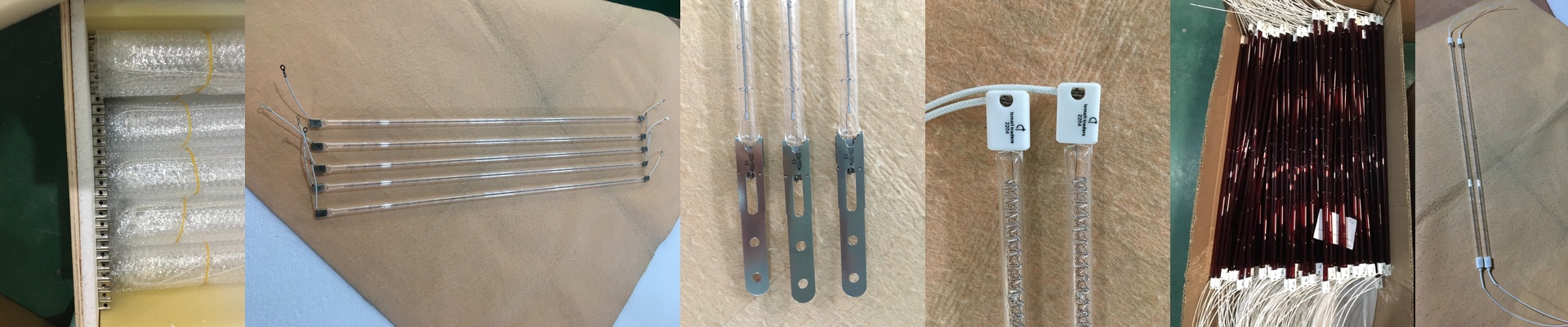
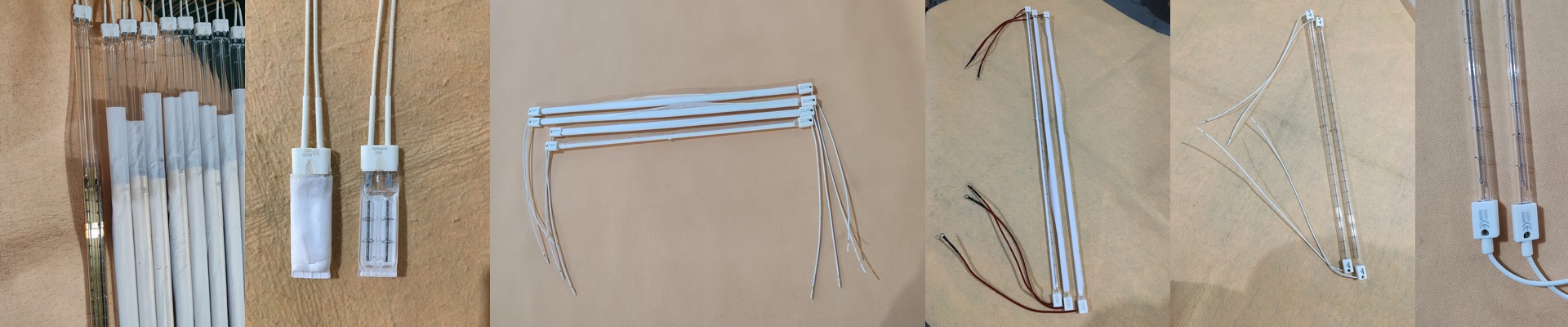
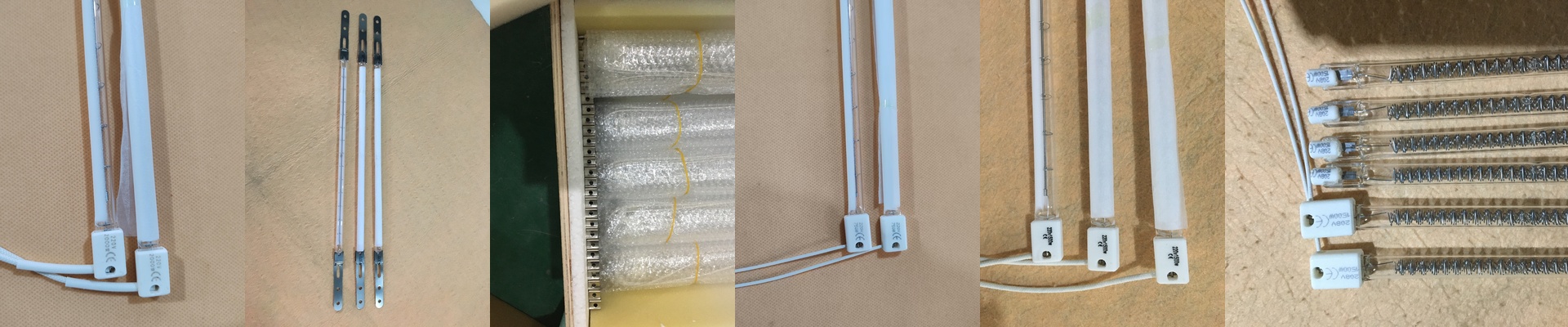
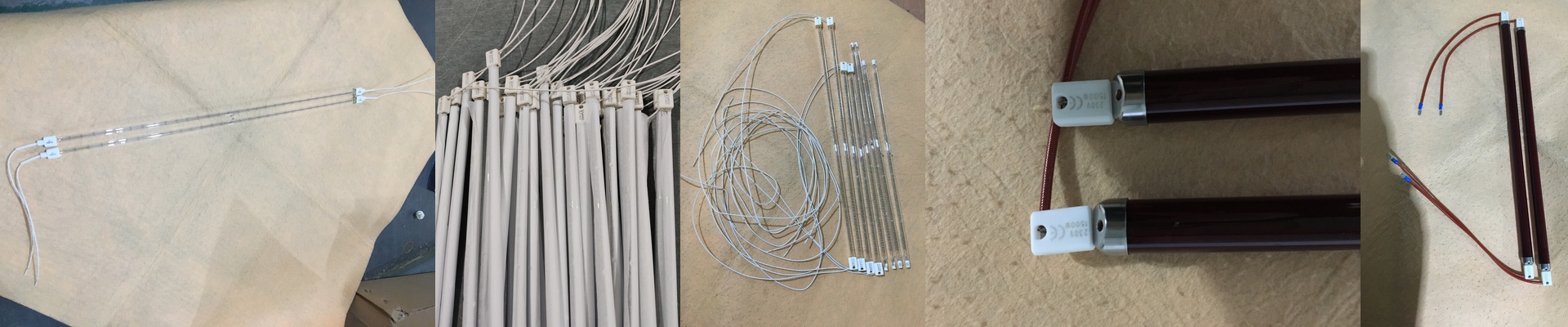
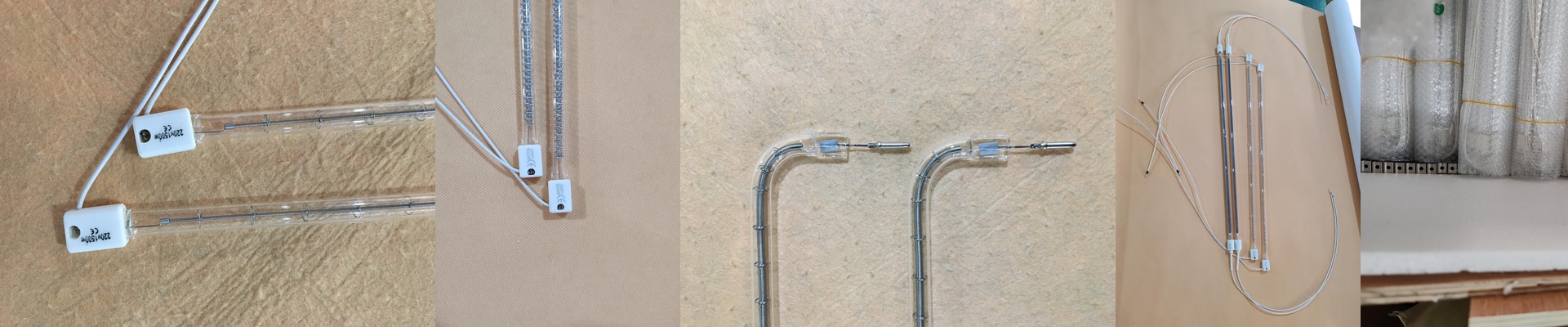
Here’s the magic, and it’s simpler than you might think. Inside a quartz tube, you’ve got a tungsten filament surrounded by halogen gas. When you run current through that filament, it blasts out intense infrared energy. We typically spec these lamps at 400V and 2500W. That’s a lot of power packed into a small package. The lamp itself is about 300mm long and just 10mm across. This keeps the heat zone incredibly tight, so you’re warming up your target—not the whole machine around it.
The Build That Makes It Reliable
The quartz envelope is tough. It handles the intense heat of the filament and doesn’t crack when things heat up or cool down quickly. That halogen gas inside is doing a clever trick, too. It actually helps put evaporated tungsten back onto the filament. This keeps the output steady and extends the lamp’s life. We also apply a shortwave coating. This tunes the energy toward rapid absorption, so your material—whether it’s polymer, a coating, or a component—soaks up the heat fast. Less energy gets wasted as visible light. And the R7s connector? It’s a straightforward two-pin base that locks in solid. It keeps the lamp aligned and handles the current without breaking a sweat.
Where They Shine (And What to Watch For)
These lamps are workhorses for tasks like PET blowing, plastic welding, shrink tunnels, and oven heating. The high-density heat gives you fast cycle times and precise temperature control. Installation is a breeze. That R7s base just drops right in. And because the lamp is so compact, you can fit it into those cramped corners of a machine where other heaters just won’t go. But here’s the catch: a 2500W, 400V lamp runs seriously hot. You absolutely need to plan for proper cooling and insulation in your setup. If you don’t manage that heat, you’ll end up cooking nearby wiring and shortening the lamp’s life. So, give that heat a clear path to escape. Your machine will thank you.