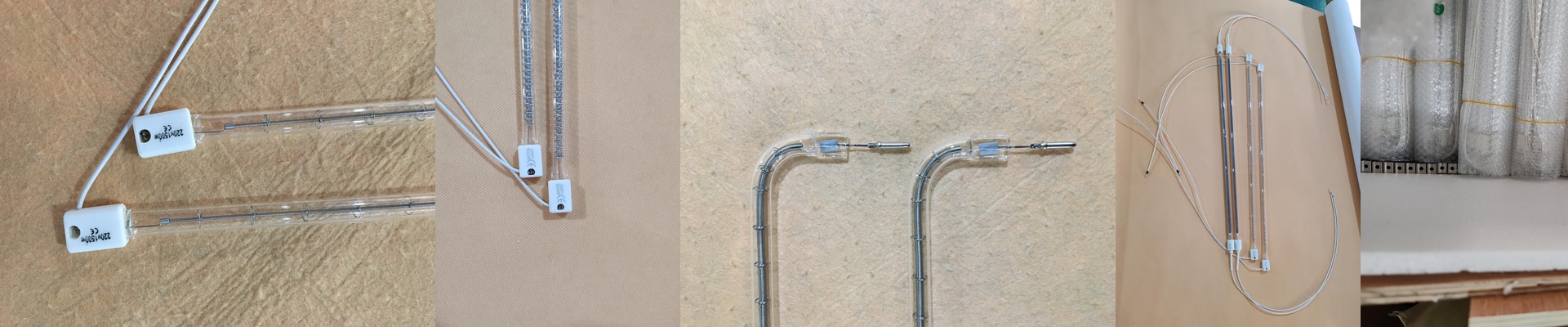
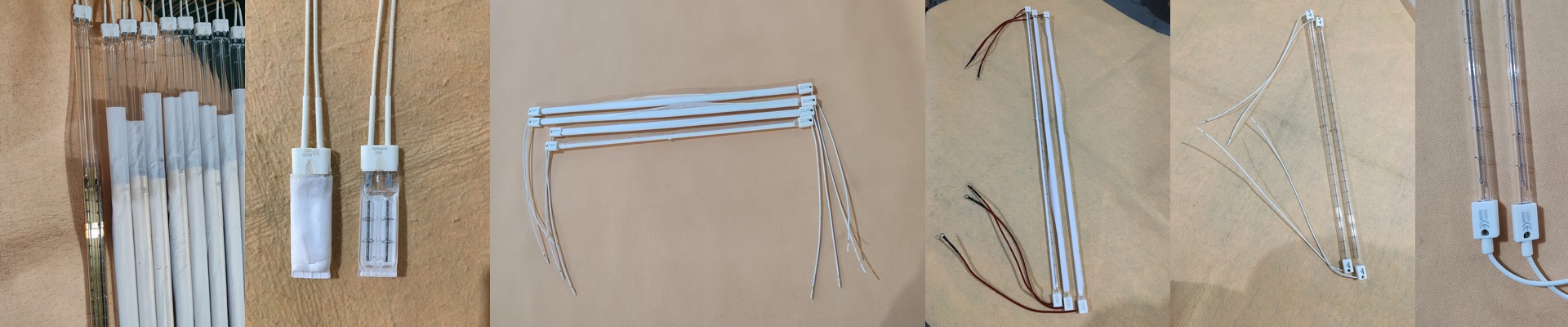
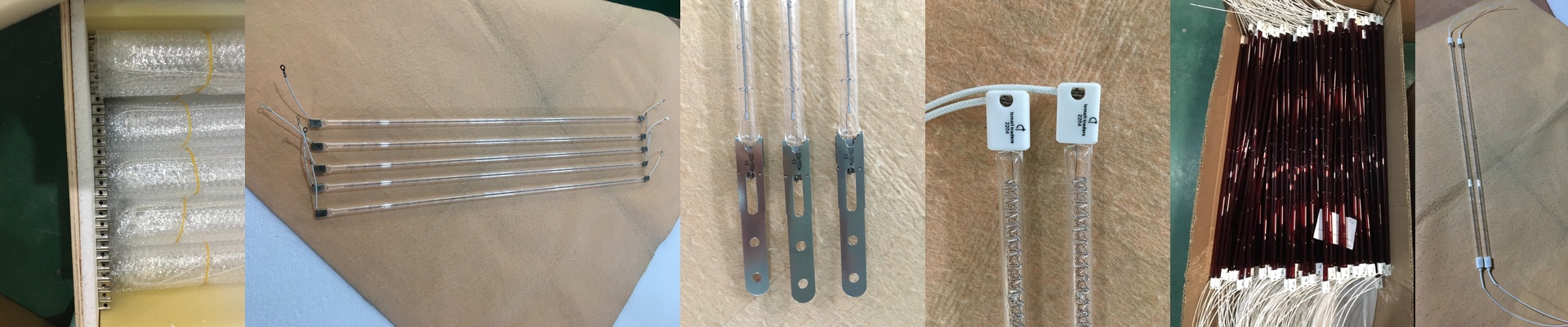
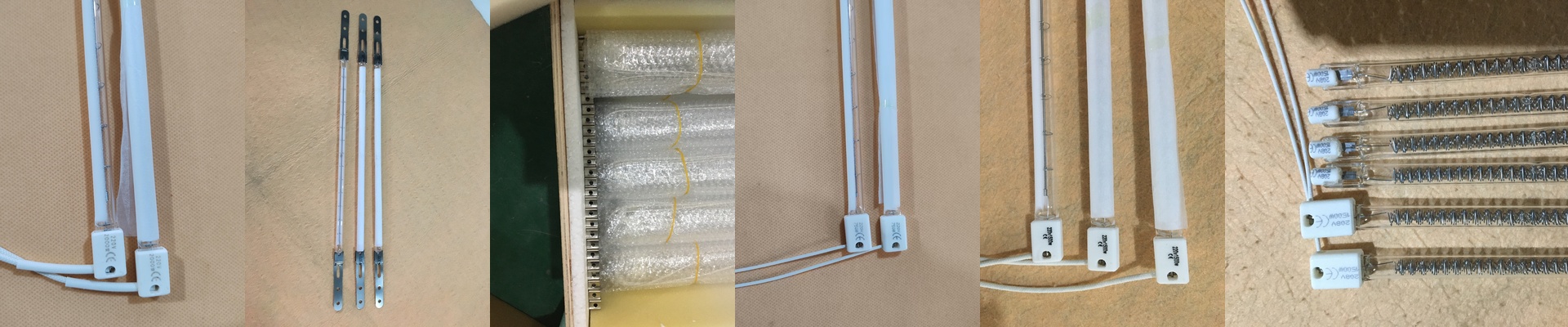
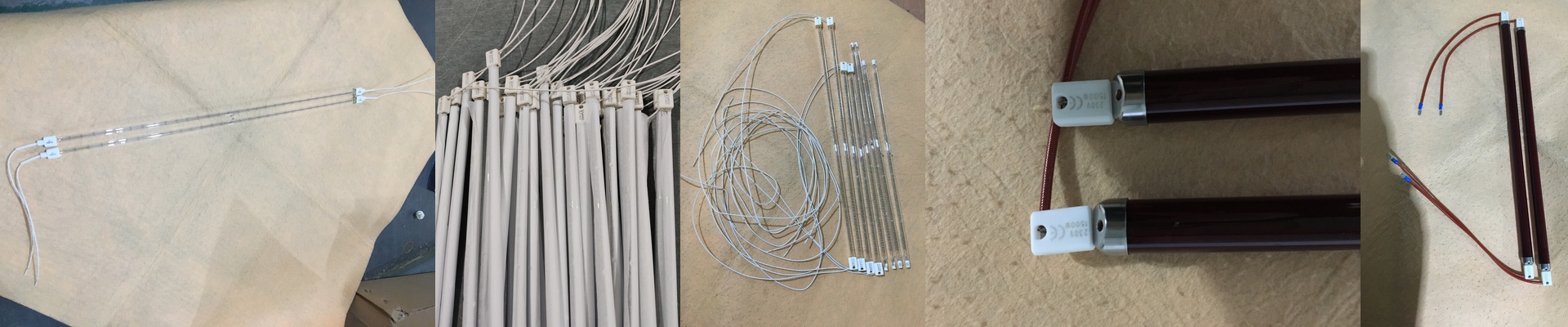
Let’s Talk About Setting Up Industrial Halogen Lamps
Ever wonder why these lamps last as long as they do? It’s all about that little bit of halogen gas inside the quartz tube. Basically, as the tungsten filament gets screaming hot, it starts to evaporate. But instead of just disappearing and burning out, the gas pushes that tungsten right back onto the filament. It’s a clever little loop that keeps the lamp running hot without killing it instantly.
Getting the Power Right
When you’re picking your lamp, you’re really just balancing voltage and wattage to get the heat you need. If you need things to heat up fast—like, right now—you’ll want high-wattage tubes. And here’s a pro tip: if you go with a high-voltage setup, you can actually use thinner wiring in your control cabinet because the current draw is lower. It just makes the whole build a bit cleaner. But be careful. High heat density is tough on the glass. If your reflectors are dirty, the heat bounces back and hits the quartz too hard.**That’s how you get cracks.**Keep them spotless.
The Build and the Plugs
We use high-purity quartz for the tubes because it lets shortwave infrared radiation pass through without fighting it. Simple as that. Depending on what you’re heating, you might want a coated tube to change how the heat hits your part or just to keep the glass protected. As for the plugs, we usually stick with R7s or Sk15 connectors. They’re the industry standard for a reason. They just fit. No wiggling, no rattling, and they won’t shake loose when your machinery starts humming.
The Real-World Stuff
If you’re doing PET blowing or curing plastics, these lamps are your best friend. They hit the target temperature in a heartbeat. But that speed is a double-edged sword. You need a PID controller that actually works. If your power supply overshoots even a little, you’ll fry the filament in a blink. And please, think about your fans. A 2000W lamp puts out a massive amount of heat. If your airflow is blocked, you aren’t just losing efficiency—**you’re literally melting your sockets.**Give them room to breathe.