Solving Liquid Paint Curing: How an Infrared Lamp Fixed a 6-Month Aluminum Line
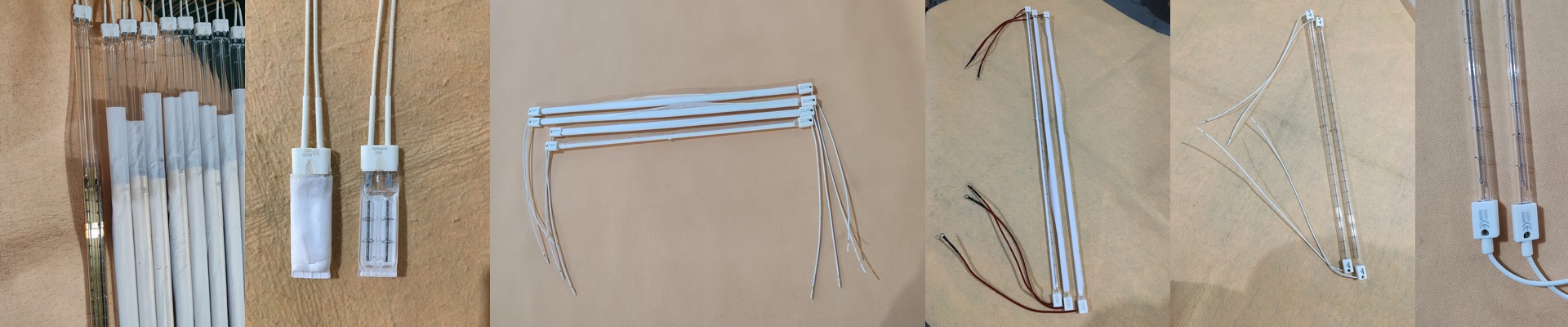
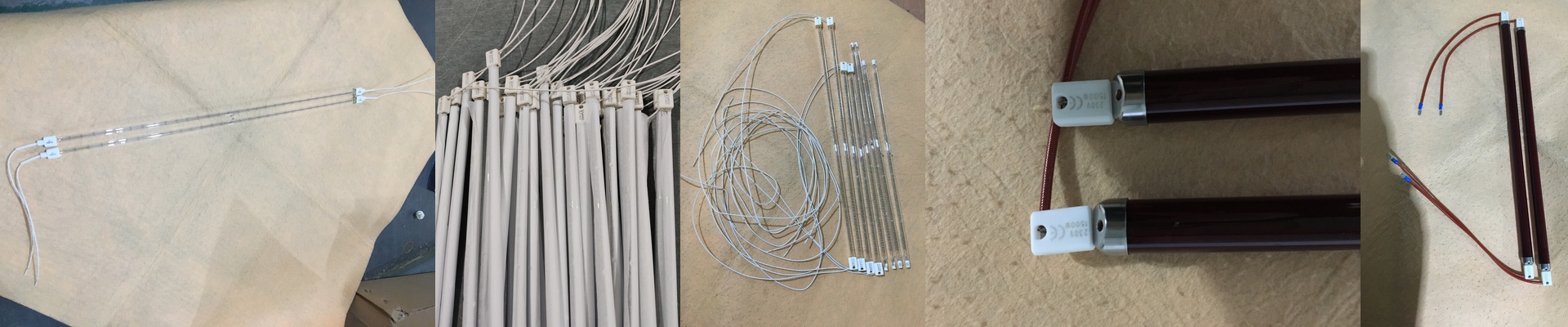
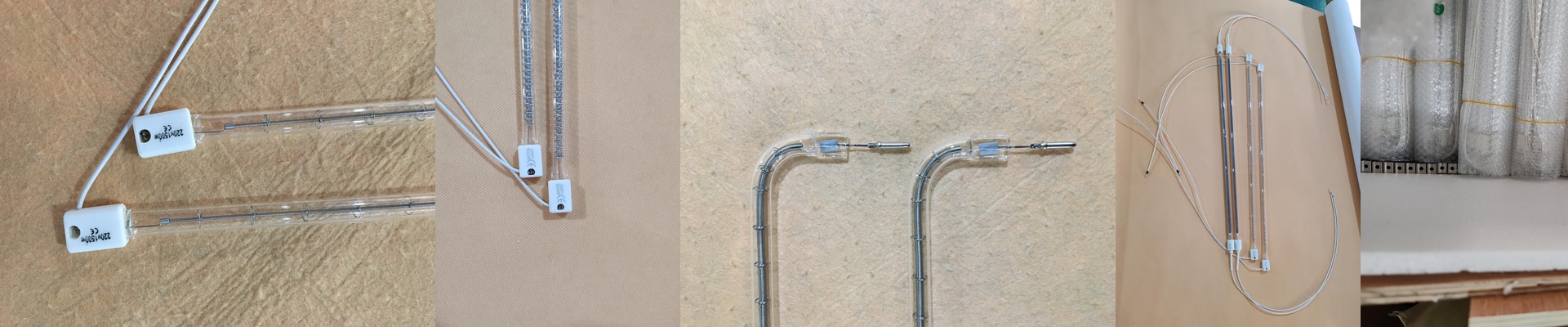
We got the call from a big aluminum plant that was stuck. For six months, they’d been wrestling with liquid paint that just wouldn’t cure right. The profiles would come out with inconsistent film hardness—soft in the deep crevices, brittle on the thin edges. Traditional ovens weren’t cutting it. The solution? A shortwave infrared lamp, built specifically for industrial paint curing.
The Power Behind the Fix
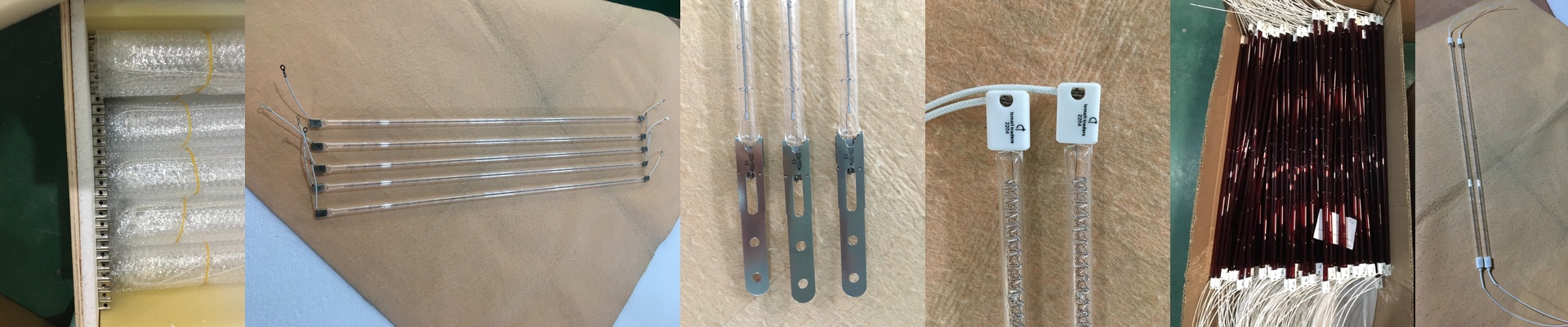
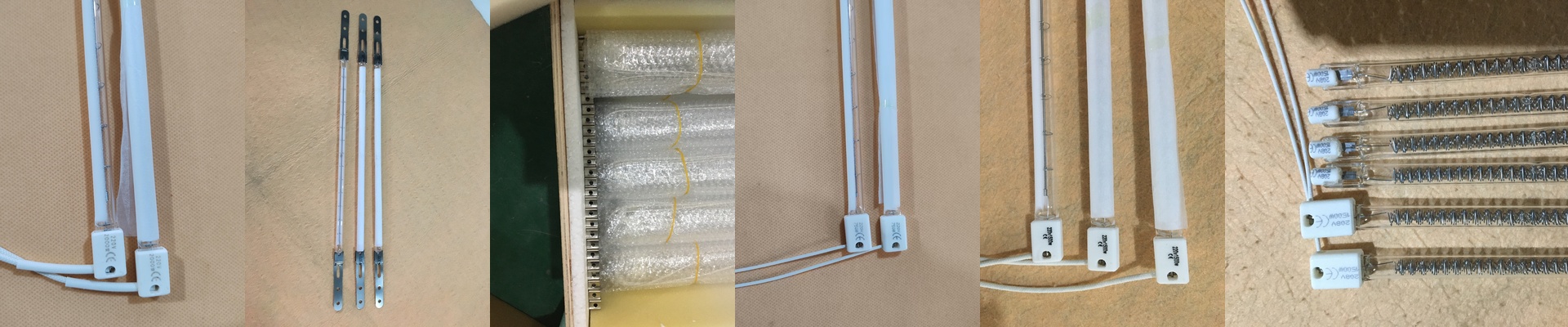
Here’s the thing: this lamp packs a serious punch in a small footprint. We set it at 2500W, so it delivers the intense heat needed to flash off solvents fast—without roasting the rest of the line. And the 400V voltage? That was a smart move. It keeps the current draw down, which means you can use smaller wiring and contactors. It also cuts down on voltage drop, even over longer runs. The 300mm tube length is just right, matching standard conveyor lanes so you get even coverage without hot spots.
Why the Details Matter
The magic is in the design. Inside the quartz tube, a halogen element pumps out shortwave infrared that penetrates the paint quickly, heating it from the inside out. That’s how you get a uniform cure, even on complex, tricky profiles. The quartz coating stabilizes the heat output and keeps things clean during lamp changes. And the R7s connector? Practical, solid, and designed to handle the heat. It makes swapping out the lamp a simple, straightforward job.
What It Did on the Line
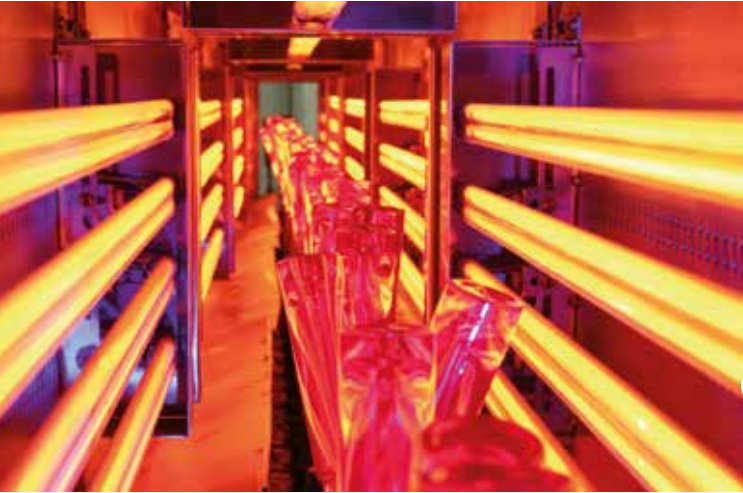
On the floor at the aluminum plant, the results spoke for themselves. The lamp cured the liquid paint in seconds, wiping out the soft-edge defects and all the rework that came with them. Because the heat is so focused, the line could run faster without spiking the energy draw. Now, a heads-up: 2500W at 400V means serious heat density. Your conveyor and enclosure cooling need to be up to the task. But if you can handle the thermal load, you get repeatable, line-of-sight curing that ovens just can’t match.