Introduction
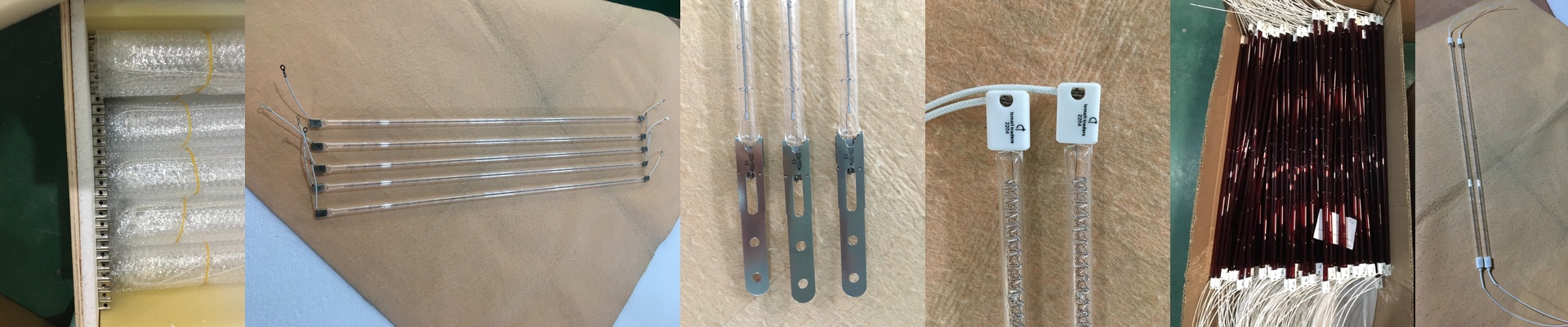
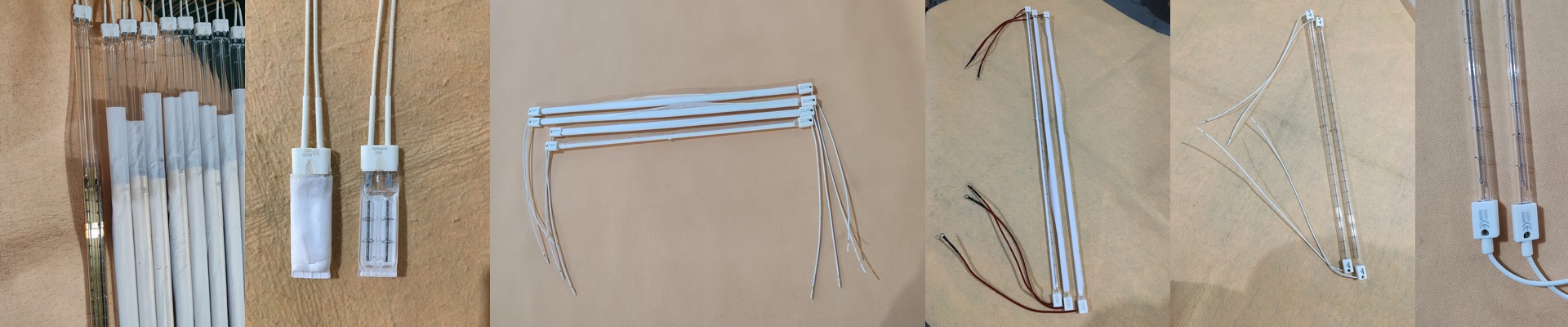
We build industrial infrared lamps—far-infrared quartz tubes and halogen units—because some jobs just can’t wait for warm air to slowly circulate. You know the feeling. You need heat right now, in one spot, and you need it to behave. Whether you’re curing coatings, heating plastics, or running a process that demands fast, focused energy, these lamps give you control. You get the intensity you need, when you need it, without the lag.
Power, Voltage, and Geometry: The Real Details
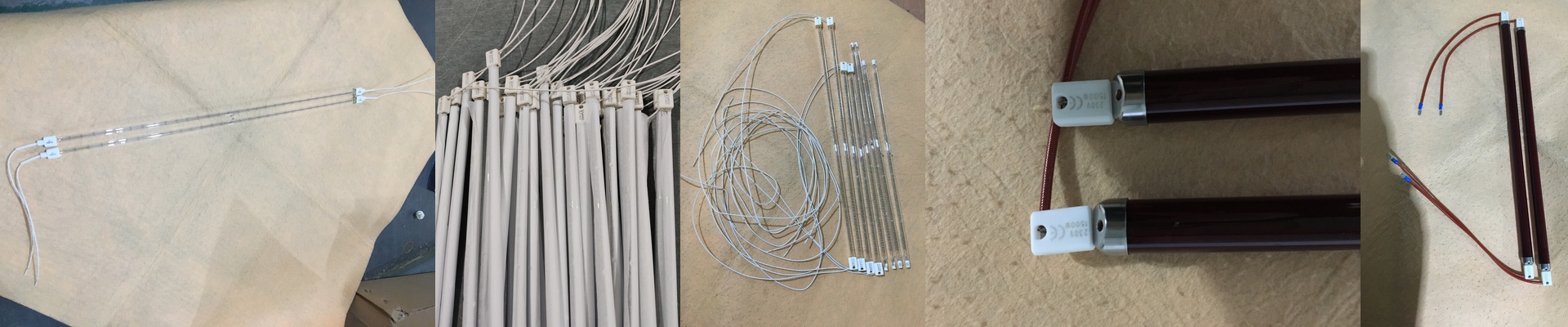
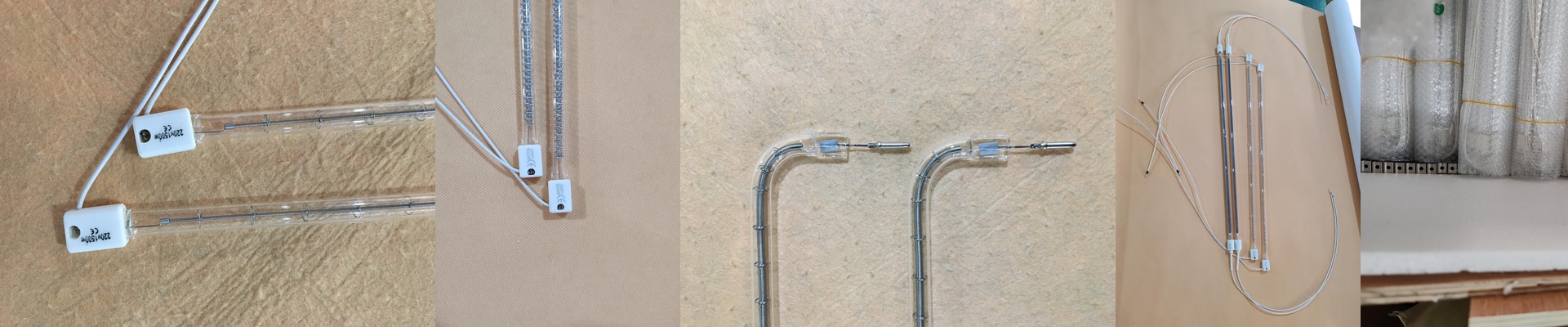
Here’s the thing about infrared output: it’s not just about slapping a number on wattage. It’s about how you fit all that power into a real-world space. A quartz tube lamp can be set up as a shortwave or far-infrared emitter. We match the wattage to your process window and the voltage to your plant’s supply. Go high-voltage, say 400V, and you pull less current for the same power. That keeps wiring thinner and helps the whole electrical load stay stable, even over long runs. And the tube length? That’s a hard limit. It sets the width of your heated zone and dictates how far apart you mount things. Need a tight, focused hot spot? Shorten the tube and pack those watts per inch.
Materials, Design, and the Stuff That Matters
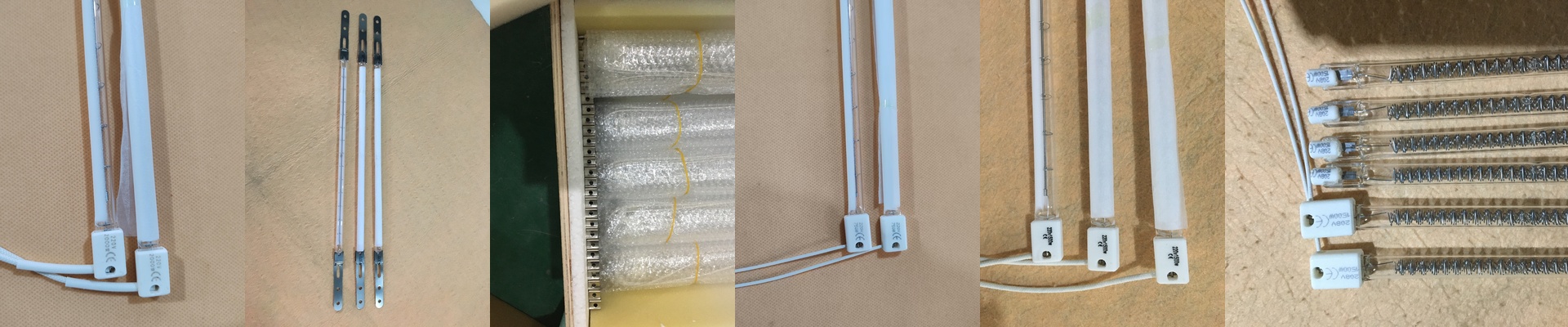
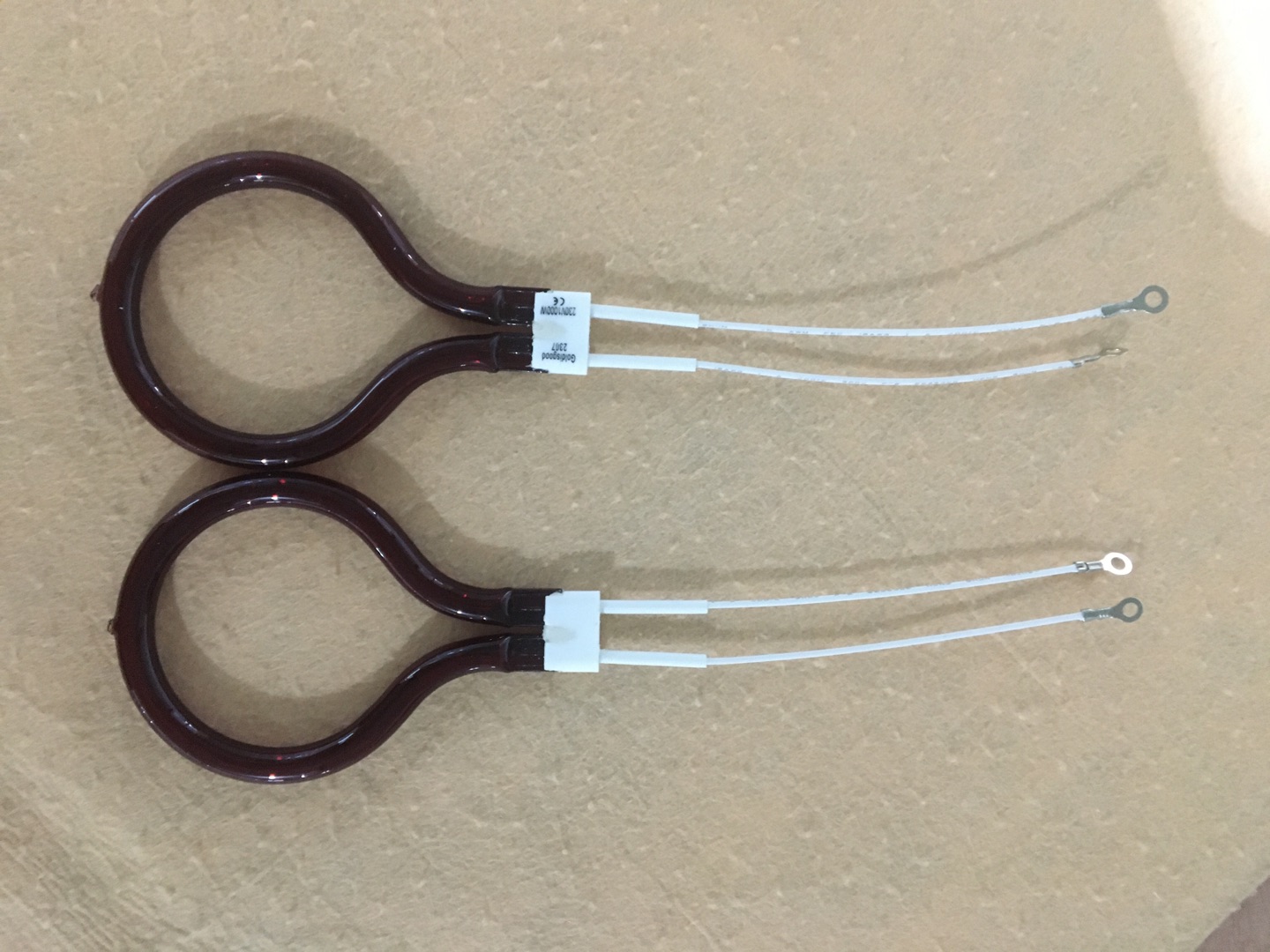
We use quartz because it can handle extreme filament temperatures and stays clear to the infrared wavelengths we need. Halogen lamps bring something extra to the table: a regenerative chemical cycle that keeps the filament stable at high heat. It simply extends the usable life compared to standard incandescent designs. Then there are the coatings. Far-infrared paint shifts the spectral output toward longer wavelengths, which helps materials—especially plastics and coated surfaces—absorb the heat more effectively. And connectors? They matter more than you’d think. R7s and Sk15 aren’t interchangeable just for kicks. They set the mounting length, define clearance, and make swapping a lamp a quick job, not a rewiring project.
Heat Where You Need It, When You Need It
These lamps shine in real-world work: drying, curing, preheating, and thermal testing. The combo of quartz tubes, halogen tech, and smart wavelength control gives you rapid heat-up and fast shut-off. That’s a big deal when your line speed changes or you have to hit a narrow temperature window. There is a trade-off, though. Higher watt density means intense heat, and that means you need to pay attention to cooling, reflector geometry, and temperature sensing. Get the lamp spec’d to the process, size the wiring and cooling to match, and you end up with heat that repeats—without pushing the whole system past its limits.