Introduction
We see a lot of interest in swapping out legacy linear tungsten halogen lamps for LED-based R7s replacements. The goal is straightforward: keep the same footprint and mounting, but get better control and lower operating costs. However, you cannot just wire an LED module into a halogen fixture and expect it to behave the same. The physics of heat generation and the electrical constraints are fundamentally different.
Technical Deep-Dive: Power, Voltage, and Dimensions
Linear tungsten halogen lamps are designed to run hot—typically 2500W to 3000W at 230V or 400V, in tube lengths around 300mm to 350mm. This power density is what gives you the rapid temperature ramp-up needed for industrial heating, curing, or shrinking. When you replace these with an LED R7s unit, the LED driver must handle the input voltage and deliver stable power, while the LEDs themselves convert electricity into light, not bulk heat. A 400V input rating on an R7s LED replacement is not arbitrary. It allows direct connection into high-voltage heating circuits without extra step-down transformers, which simplifies the wiring and reduces cabinet heat. But here is the trade-off: an LED replacement that specs out at 2500W equivalent may only draw a fraction of that actual power, so the total heat output is lower. That is good for energy draw, but you have to verify your process actually needs the lower heat flux. If your process relies on high-intensity infrared heat to penetrate a material, an LED replacement may require retuning cycle times or increasing dwell time.
Material & Design: Halogen, Quartz, and the R7s Interface
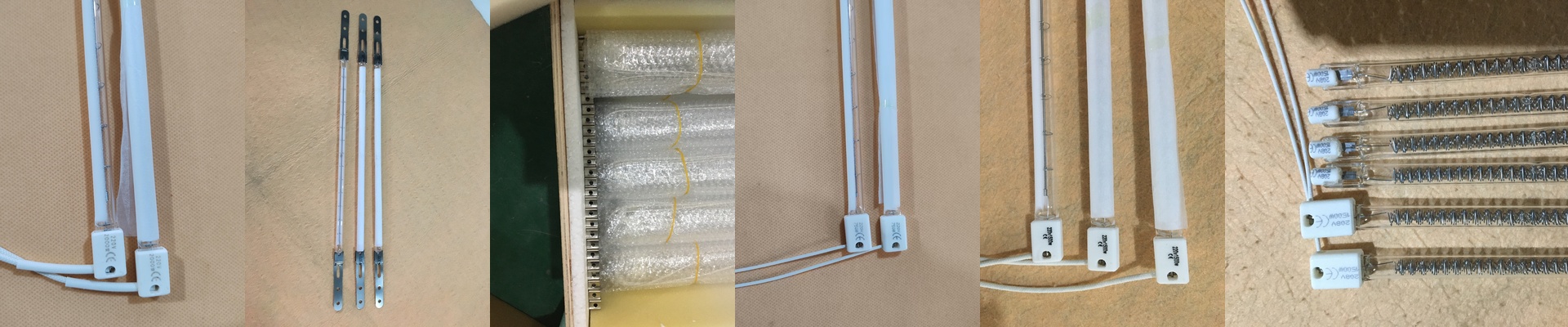
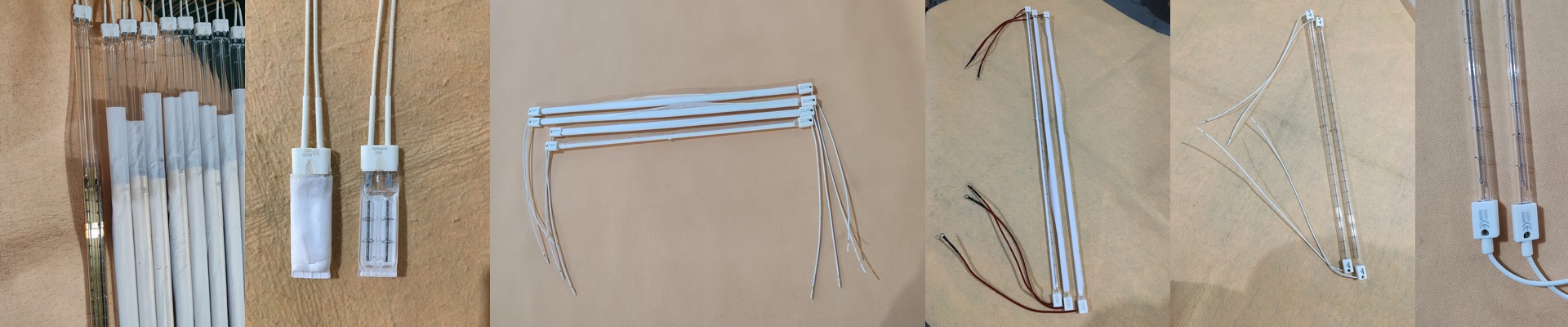
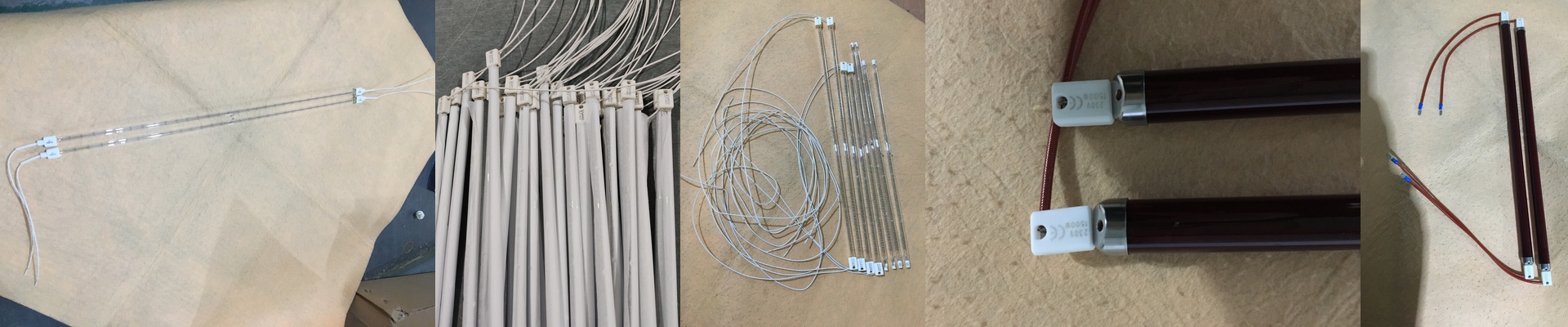
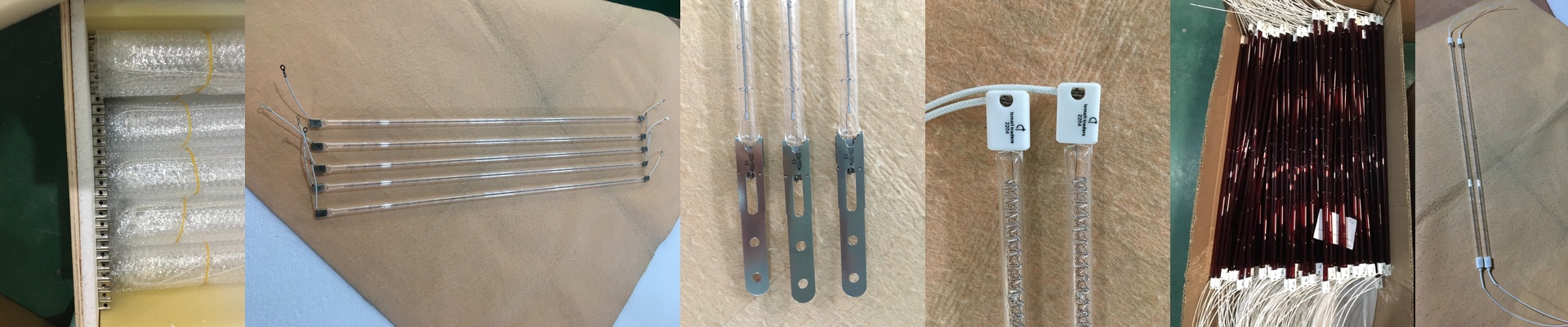
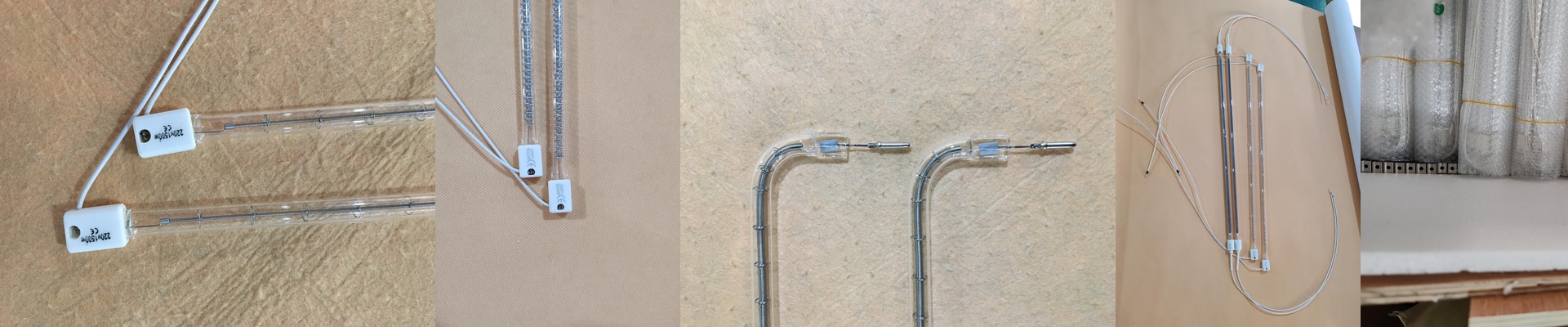
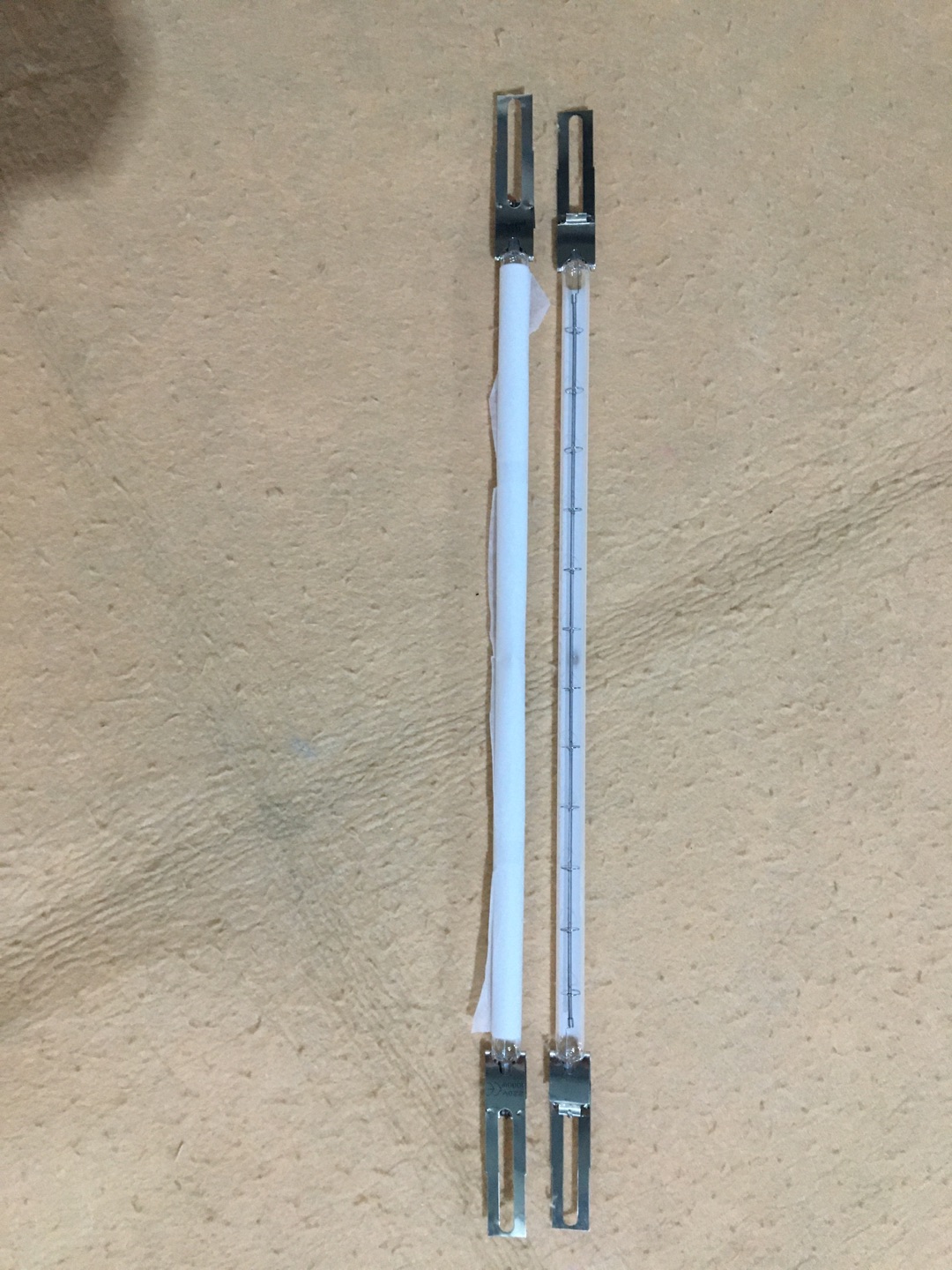
Traditional linear halogen lamps use a tungsten filament sealed inside a quartz envelope, with halogen gas to extend filament life. The quartz holds up to high temperatures and is transparent to infrared, which is why these lamps are effective heat sources. The R7s connector is a double-ended, linear bayonet fitting that locks in place and carries both line and neutral through the ends. It is a robust, simple interface that survives vibration and repeated lamp changes on factory equipment. When we design an R7s LED replacement for halogen duty, we keep the same mechanical envelope so it drops in without modifying brackets or reflectors. But we replace the filament with LED boards and an internal driver. The driver must tolerate the high-voltage supply, manage inrush current, and handle thermal stress inside a confined quartz-like housing. The outer tube is often still quartz or high-temperature glass to protect the LEDs and manage heat. The optics are tuned to match the beam spread of the original halogen lamp, so you do not lose coverage on the target.
Application & Benefits: Where the Swap Makes Sense
LED R7s replacements shine when you need precise control, faster response, and lower maintenance. Halogen lamps burn out at the filament, and frequent replacements stop production. LED units do not have a filament to fail, so they last longer in terms of cycles. You also get faster dimming response and repeatable output levels, which helps when you are running controlled heating profiles or need to match different product sizes on the same line. In practice, this swap works well for applications that need directional heat and immediate restart, such as plastic welding, shrink tunnels, and certain drying operations. Installation is a drop-in job—you wire it up the same way, and the R7s locks into the socket just like the original. But be realistic: LED replacements generate less raw heat than halogen, so if your process depends on high-temperature infrared penetration, you may need to increase power density elsewhere or accept longer cycle times. Also, the driver electronics add complexity. They must be kept cool, so make sure the machine’s cooling system is spec’d to handle the ambient temperature rise around the lamp. We design these R7s LED units to meet the mechanical and electrical constraints of linear halogen lamps, but the process outcome depends on matching heat output to your specific material and cycle. Spec your target temperature, verify the power curve, and then decide whether the LED replacement truly fits the job.