Why Most IR Lamps Fail in Powder Coating (And How We Fixed It)
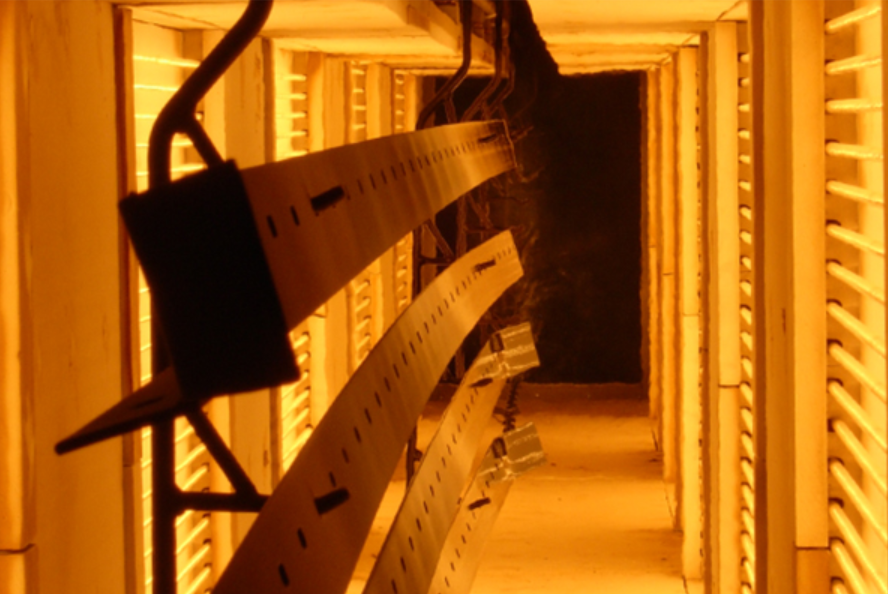
We spent some time visiting about 2,000 powder coating shops. We wanted to see where standard IR lamps actually break down when they hit a real production line. Turns out, most off-the-shelf heaters are designed for a clean lab, not a factory floor. They don’t account for the actual airflow or the layer of grime and dust that naturally builds up. So, we stopped looking at theoretical ratings and started focusing on what actually matters:heat density and uptime.
The Voltage Tug-of-War
If you’ve been in the game, you know that powder sagging is a nightmare. You need that heat to ramp up fast. To stop filaments from burning out when the grid fluctuates, we’re very specific about the voltage-to-wattage ratios. When we use a higher voltage setup, we can run longer tubes without the middle of the lamp getting cold. It means your parts cure evenly, start to finish. But here’s the catch: if you cram high wattage into a small space, your reflector housings are going to get hot. Really hot. Just make sure your ventilation can keep up with that extra heat, or you’re asking for trouble.
Getting the Material Right
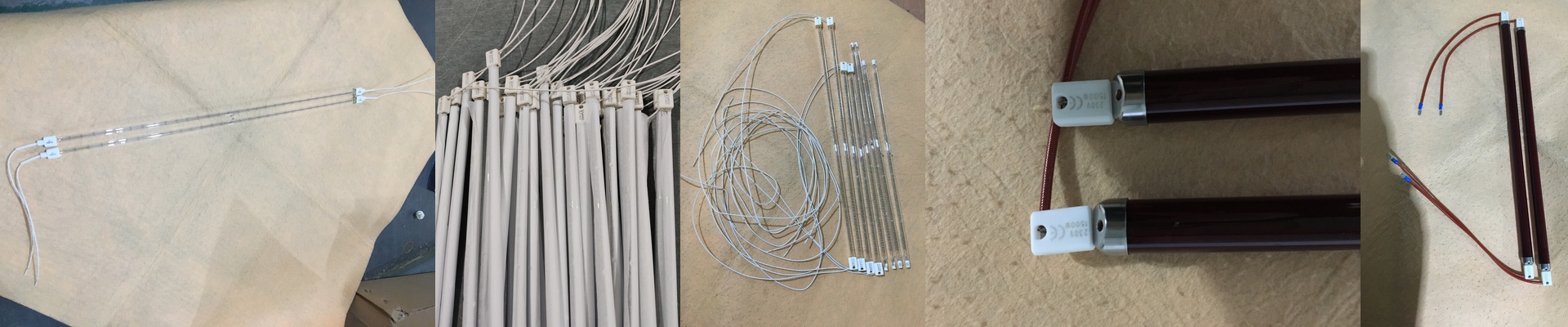
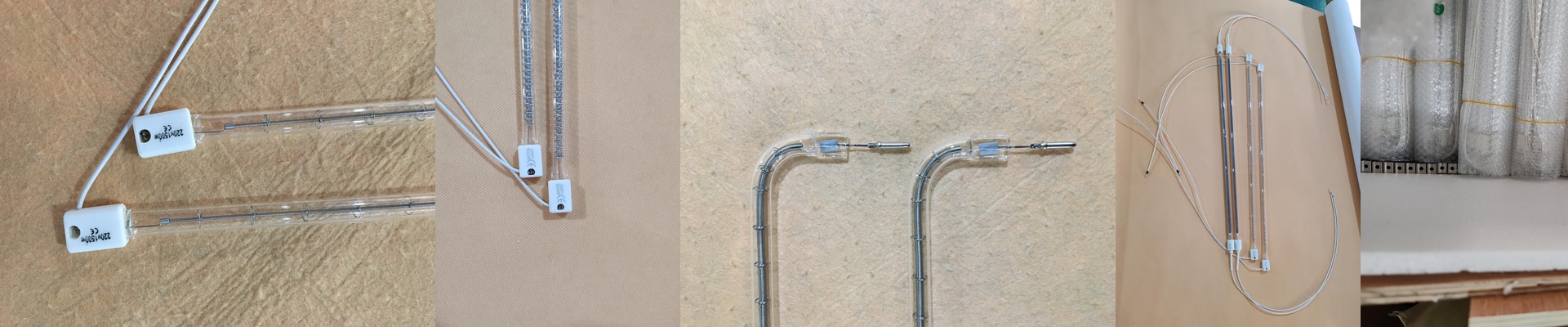
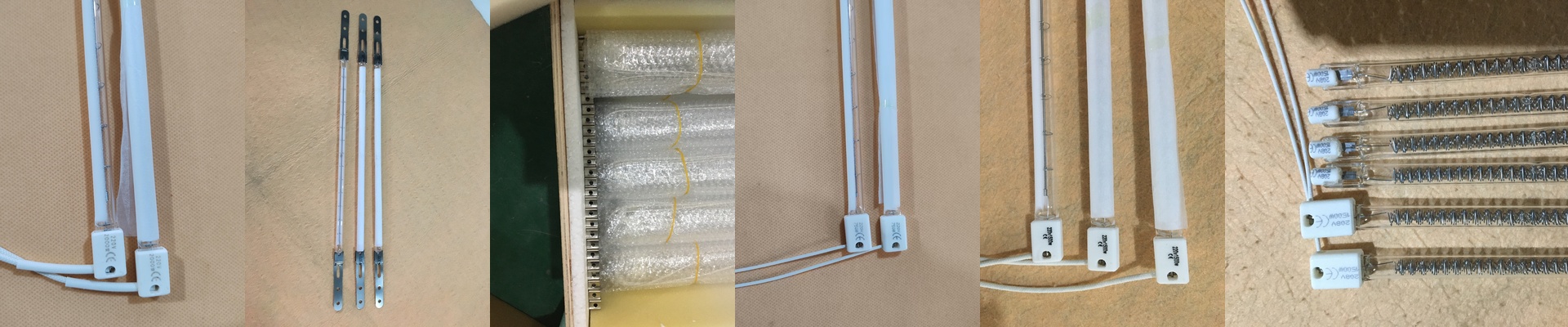
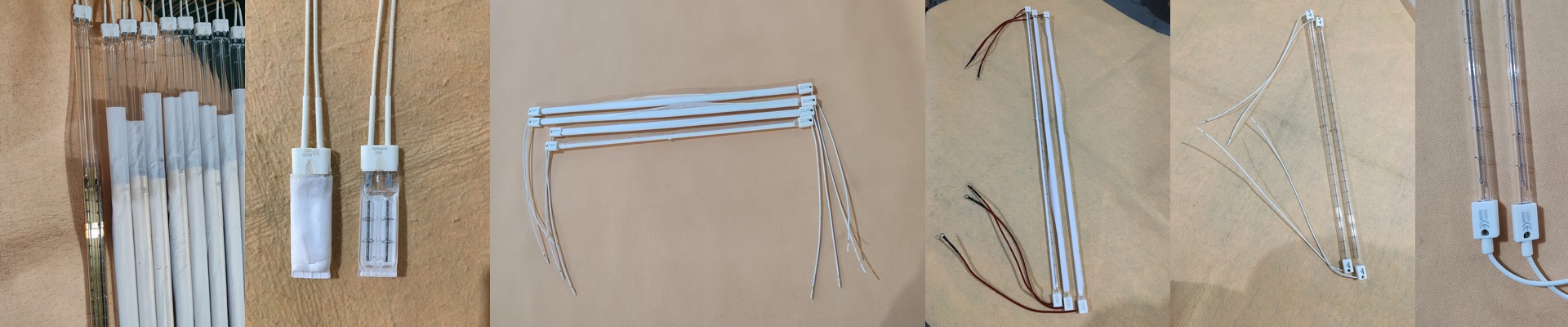
We use quartz glass with special coatings to shift the emission spectrum. Why? Because you want the heat to sink deep into the powder layer, not just scorch the surface and leave the bottom raw. On the connection side, we stick with R7s or Sk15 bases. They’re simple, and they fit right into most industrial ovens. More importantly, they handle the way quartz expands when it gets hot. Cheap connections loosen up. When that happens, you get arcing, and your lamp dies way sooner than it should.
Real-World Use
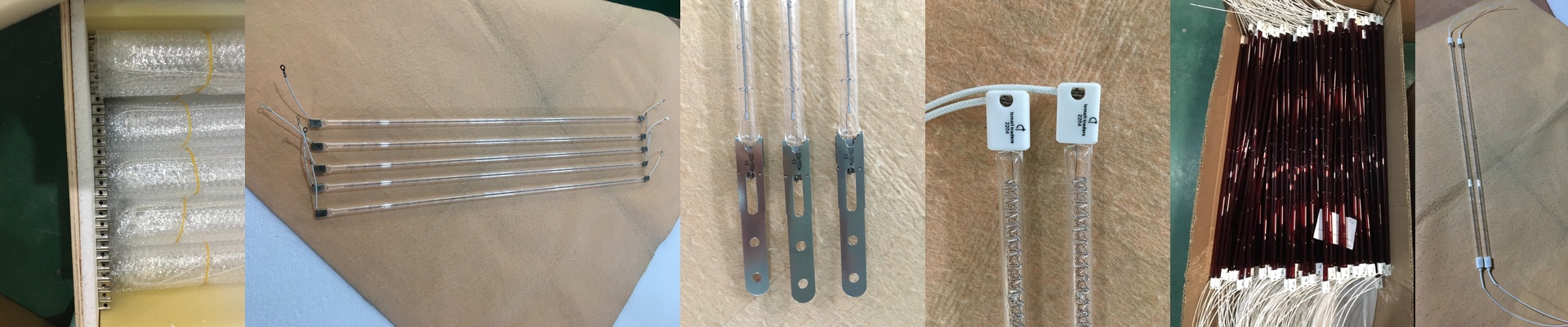
These tools are built to take a beating. We’ve stripped back the wiring so your maintenance crew can swap out a dead lamp in under five minutes. No headaches, no complicated manuals. By focusing on the actual footprint and how powder resins behave in the real world, we’ve taken the guesswork out of it. You get a consistent cure, way fewer rejects, and a system that just works without you having to tweak it every single day.