What Actually Makes an IR Lamp Work in a Powder Coating Shop?
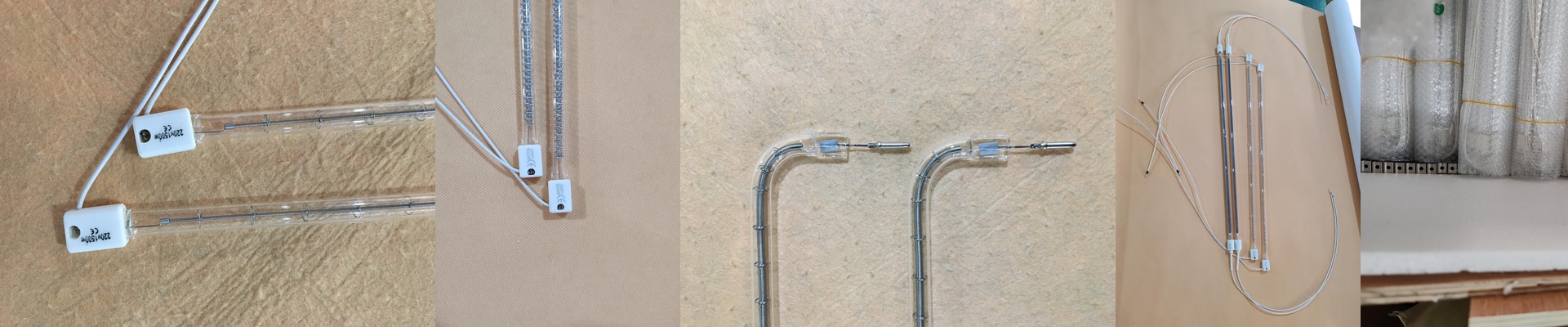
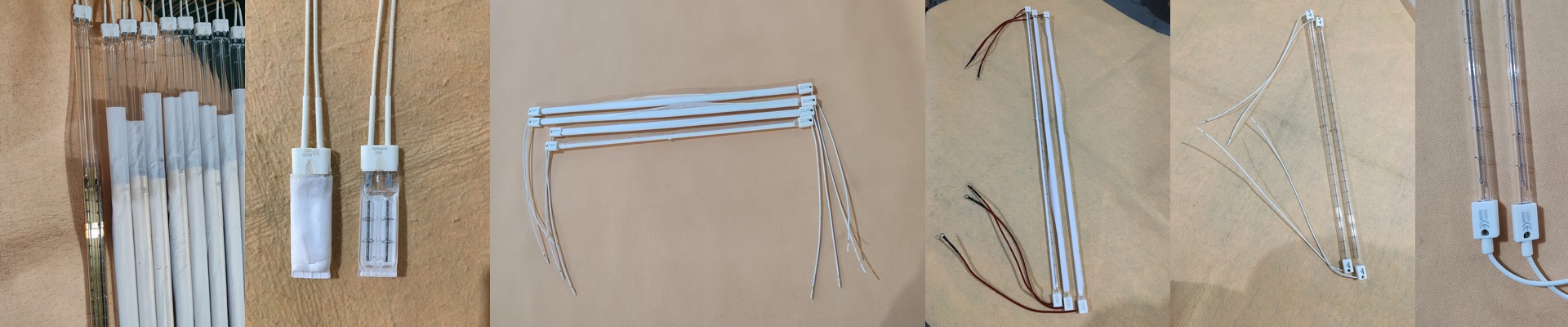
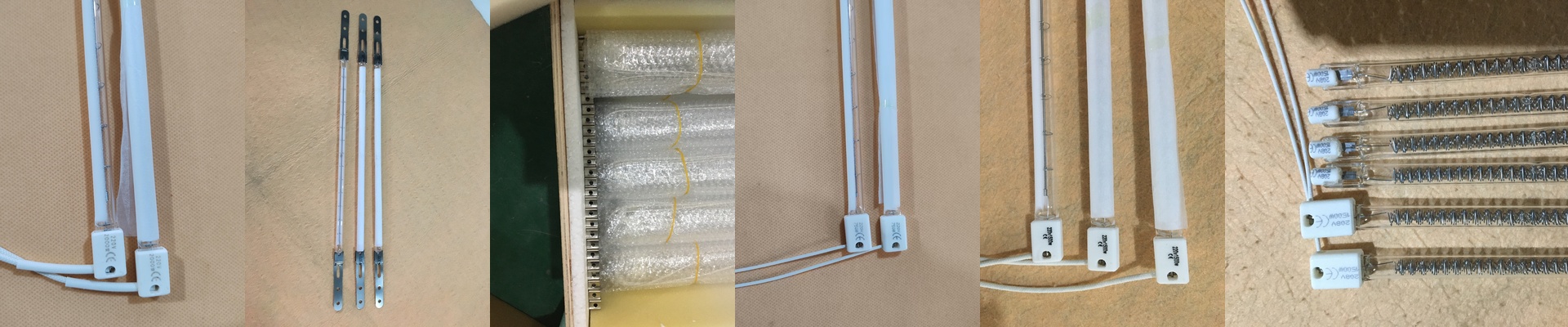
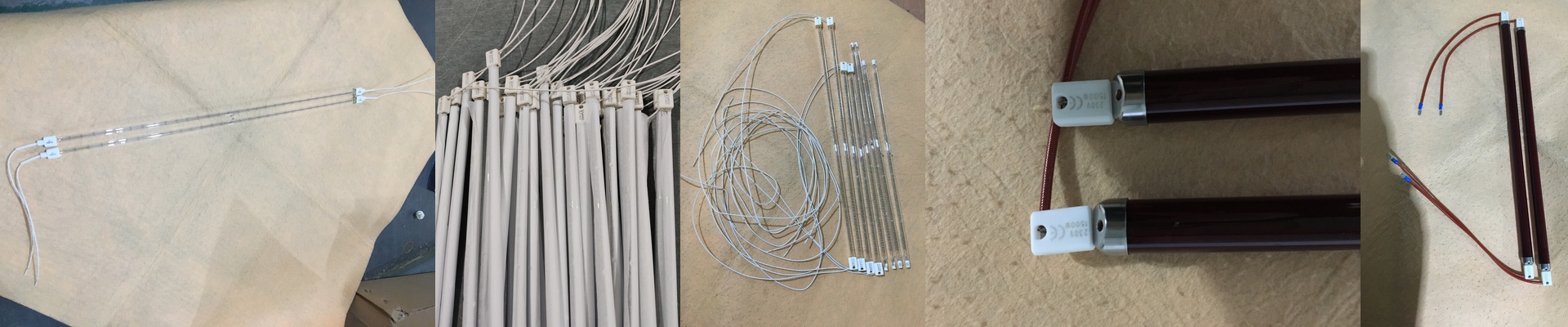
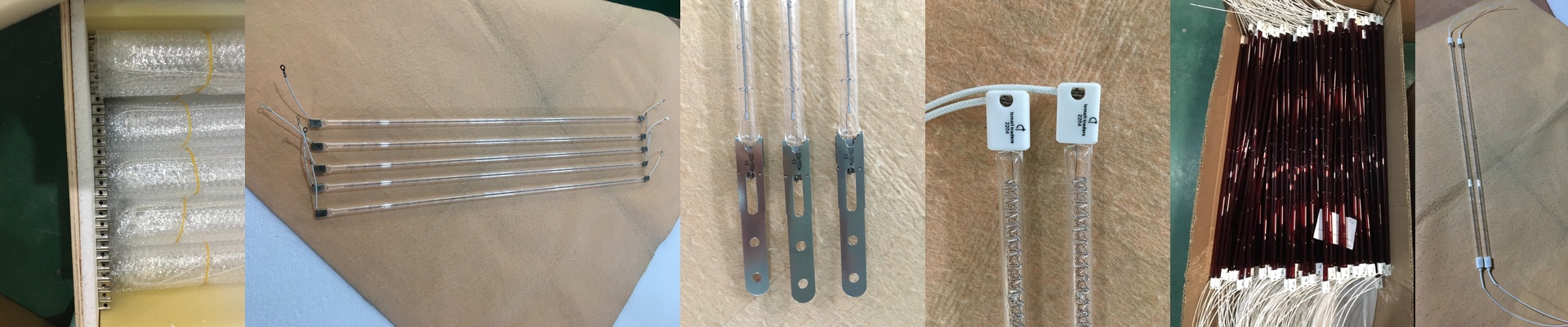
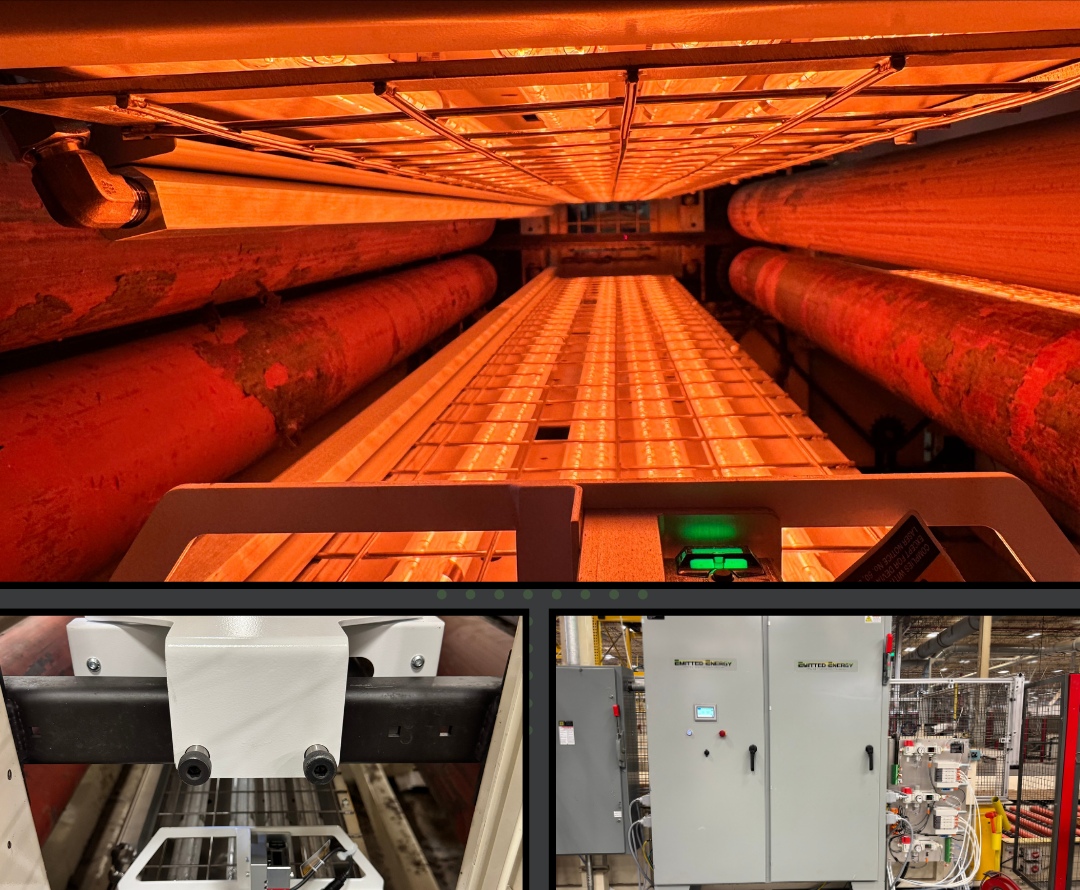
We spent some time visiting about 2,000 powder coating shops. Not just a few—two thousand. We wanted to see where the standard infrared lamps were failing. The truth? Most of those off-the-shelf tubes just aren’t built for the grit of a real production line. If you want a lamp that doesn’t die the moment things get hectic, you have to design it around the actual heat load and the tight space of a curing oven. The heat side of things In a metal finishing shop, it’s all about heat flux. You need high wattage packed into a short length. That’s how you get the heat density required to cure the powder without accidentally baking the metal underneath. Then there’s the power. We match our voltage ratings to the existing factory grids because if you’ve got voltage drops in your wiring, your output tanks. We balance the wattage and voltage so the tube hits the target temperature in seconds. Not minutes. Seconds. The build and the “weak spots” We stick with quartz glass. Why? Because it can take the shock of being turned on and off rapidly without cracking. For the filaments, halogen is the way to go for a fast response. But here is where things usually go wrong: the connectors. Whether it’s R7s or SK15, this is where most lamps fail. A loose contact leads to arcing, which eventually burns out the whole socket. We make sure our connectors fit tight. It makes them a simple drop-in replacement for most rigs. Putting it to work Switching from convection to radiation is a huge win for your line speed. It’s fast. Really fast. But you have to be careful. High-density IR lamps create intense, localized heat. If your conveyor crawls too slowly or the lamp is sitting too close to the part, you’re going to scorch the coating. That’s why you can’t ignore your cooling fans and shields. You’ve got to manage that ambient heat buildup around the housing, or you’re just asking for trouble.