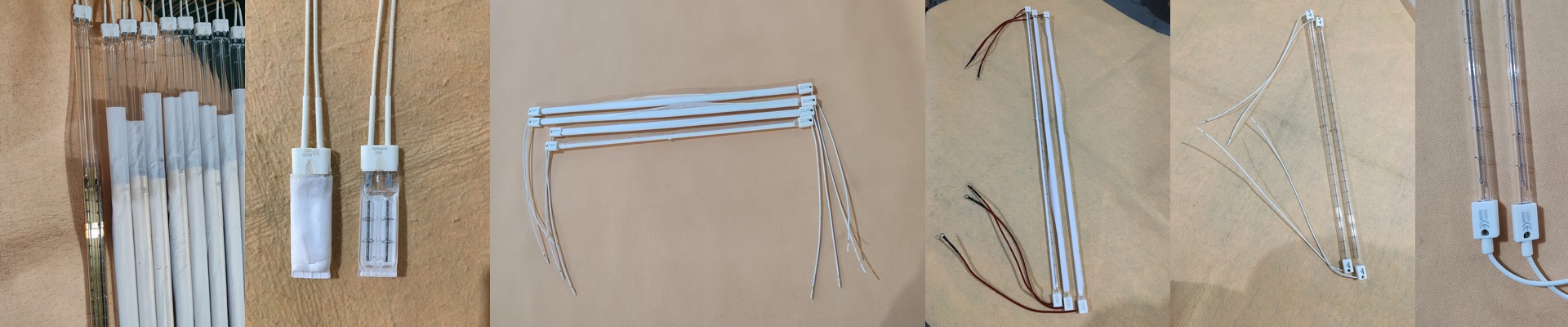
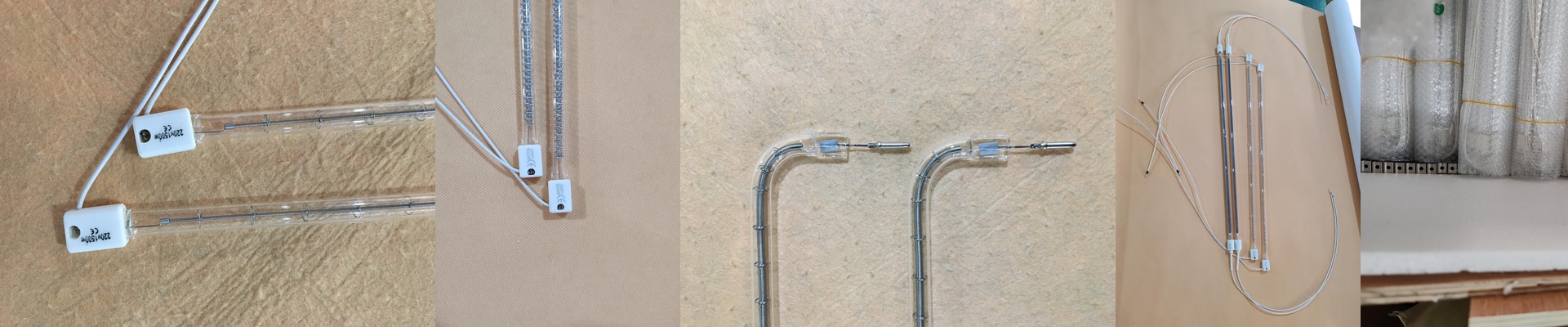
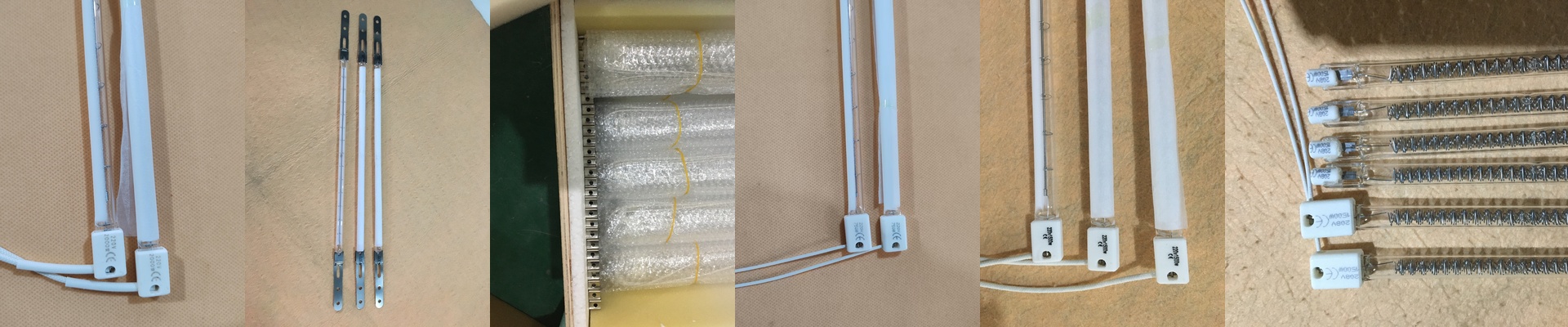
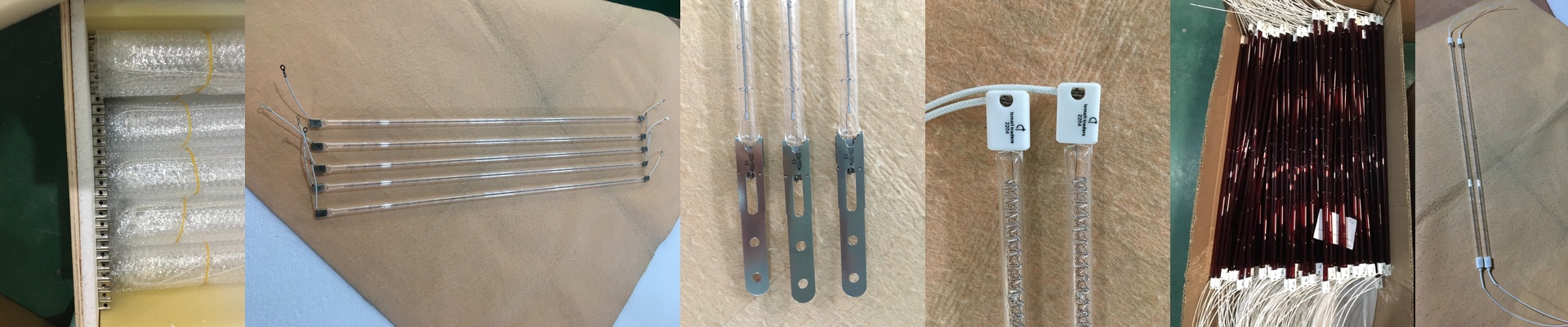
220V 1500W Halogen Heater Lamp: The Heat That Fits
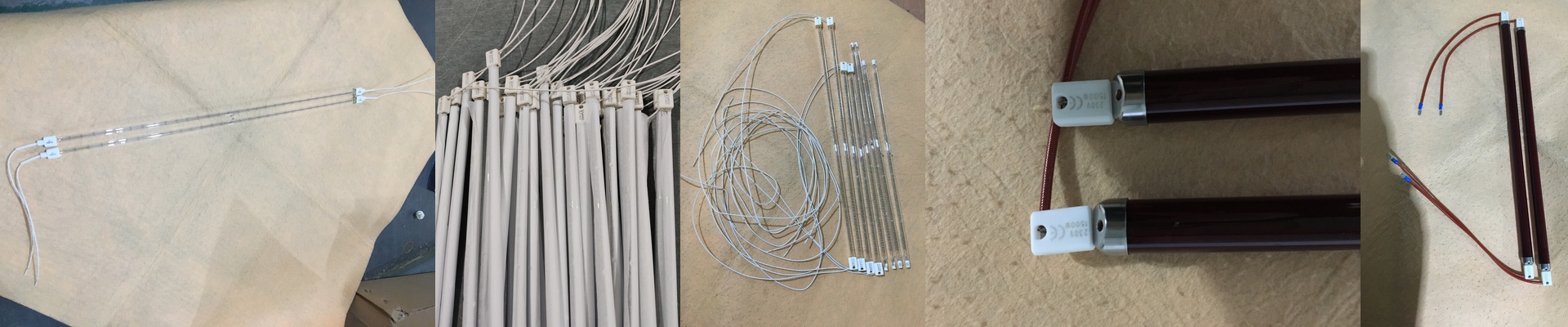
We built this 220V 1500W halogen heater lamp for the real-world—the kind of industrial heating jobs where space is tight and you need heat, fast. It’s an infrared, direct-wire heat source that just gets on with the job, giving you steady, predictable power right where you need it.
Power that makes sense in the real world
Running at 1500W on 220V, this lamp delivers controllable heat for spot work that can’t afford to wait. The 220V hookup is also a practical win—wiring stays simple on standard industrial lines, and you’re not fighting excess current. That means easier conductor sizing and less strain on terminals. And the size? It’s meant to slip into snug heating zones without forcing you to rework the whole machine. You can drop it in and get on with your day.
Built to take the heat—again and again
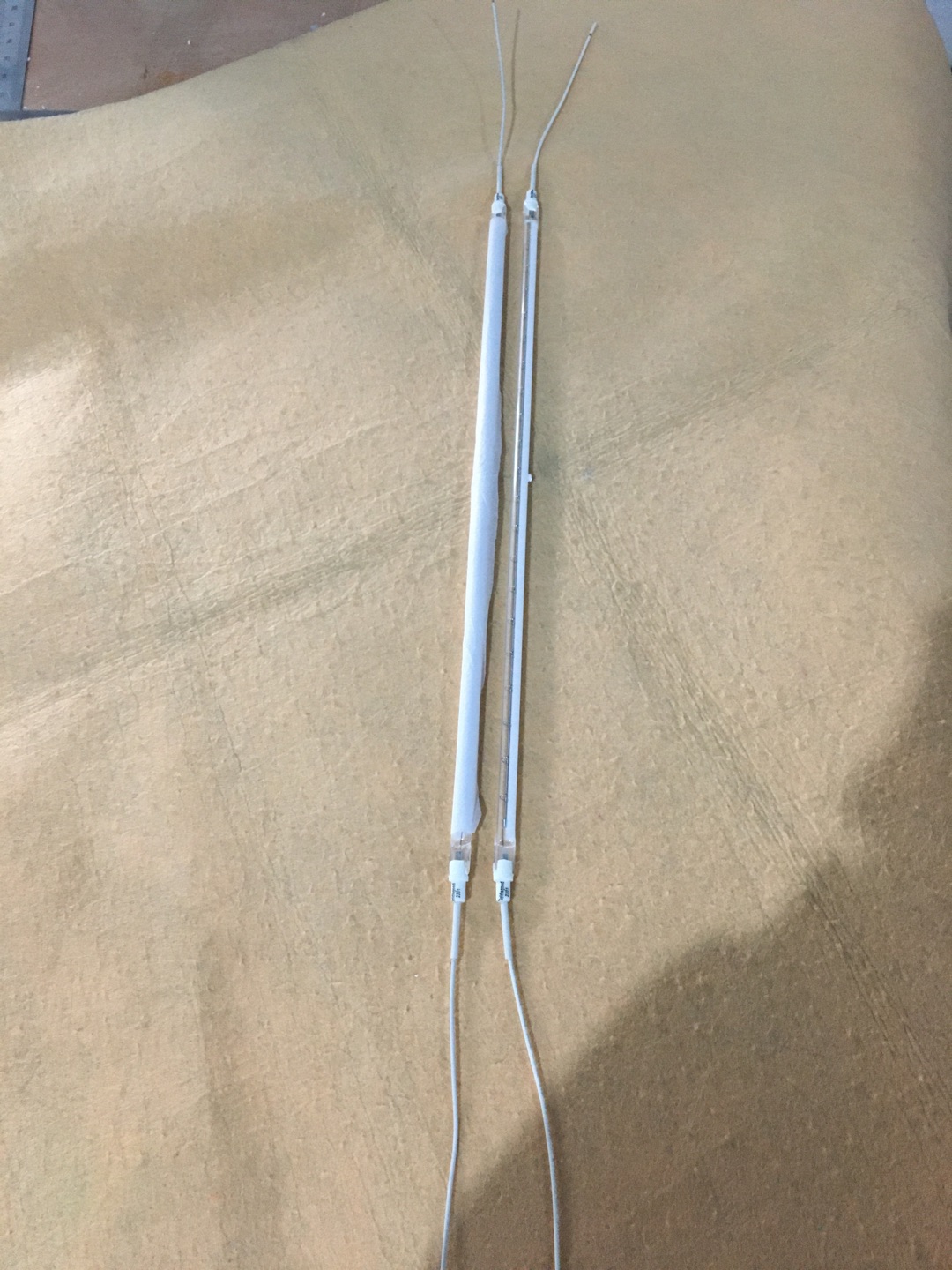
Inside, the halogen element lives in a quartz envelope. Quartz handles serious temperature and shrugs off thermal shock, so the lamp can cycle on and off without cracking under the pressure. The halogen cycle does its part, too, keeping the filament stable by putting evaporated material back where it belongs. The result is consistent output over the life of the lamp. A reflective coating focuses infrared energy forward, so more of the heat goes where you want it and less gets wasted toward the mounting side. Then there’s the R7s base. It’s a double-ended connector made for high temperatures and solid contact. Installation is quick, and the connection stays clean—no worrying about hot spots at the terminals.
Where it shines—and what to keep in mind
This setup is made for industrial heating that demands quick heat-up, stable temperature, and a small footprint. Think preheating parts, drying, and supporting plastic processing steps. With 1500W power, 220V compatibility, and R7s mounting, it’s a straightforward, drop-in solution that’s easy to wire and easy to maintain. Here’s the honest part: 1500W packs real heat density. That’s the point—but it also means the surrounding assembly has to be ready for it. If you don’t plan for airflow and heat rejection, the lamp and nearby components will run hotter than you want. Plan the thermal side of things, and this lamp performs like it’s supposed to.