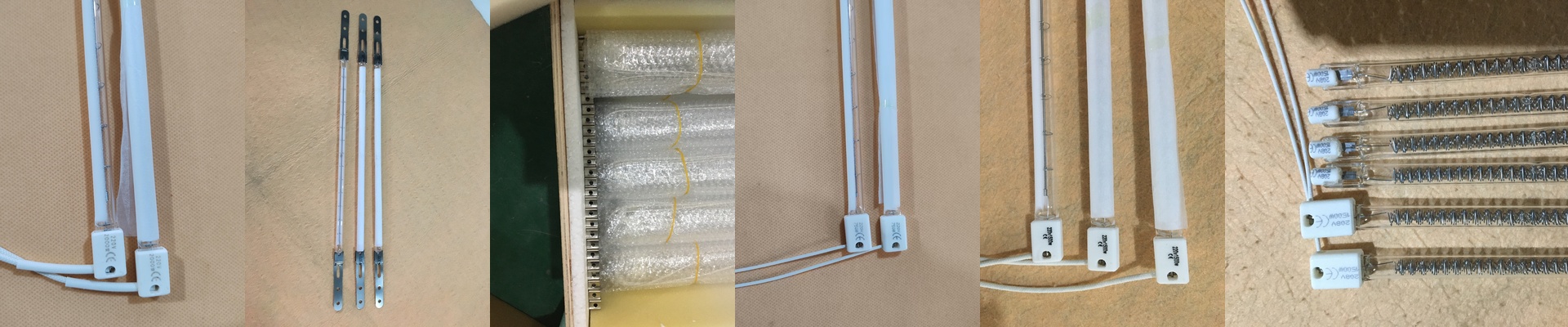
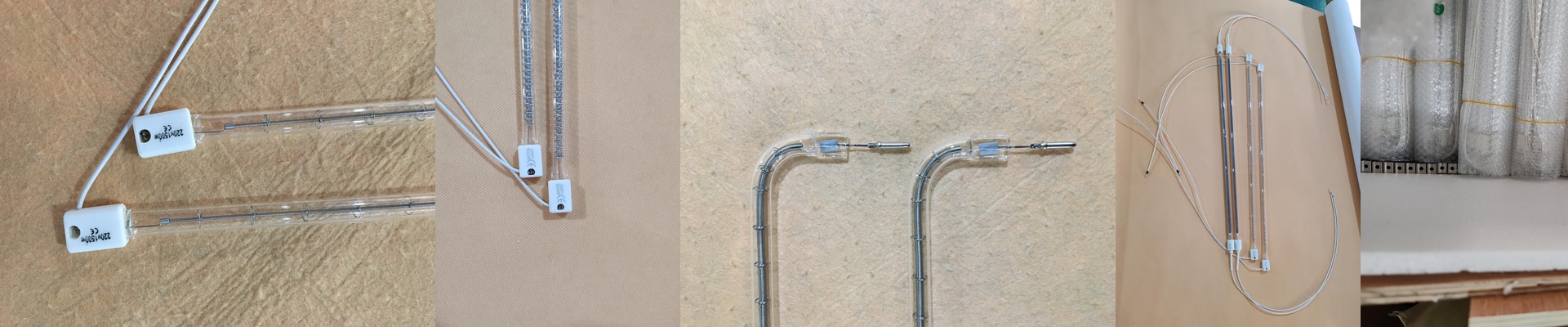
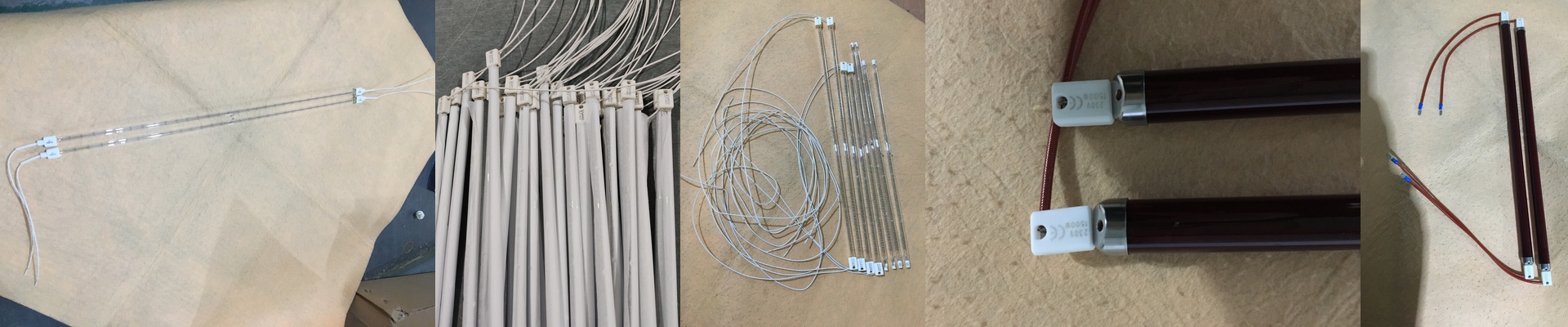
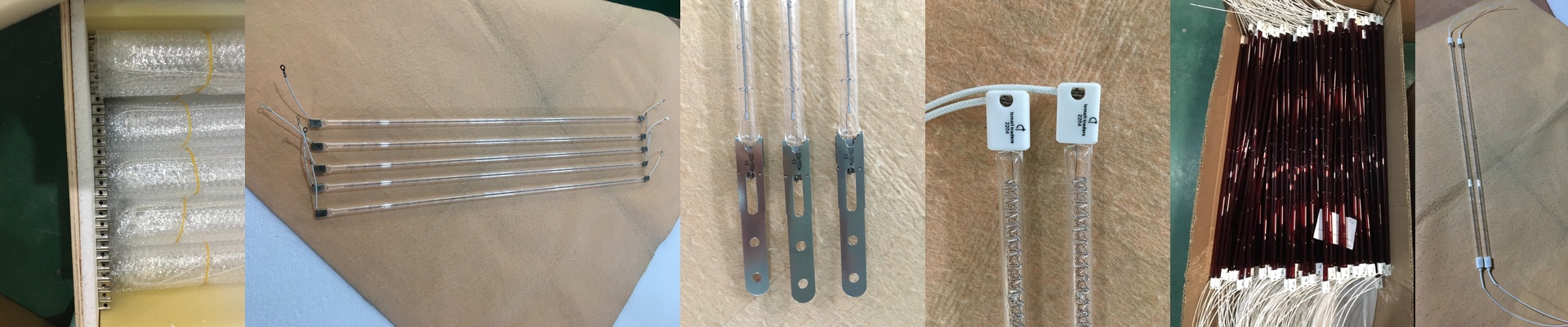
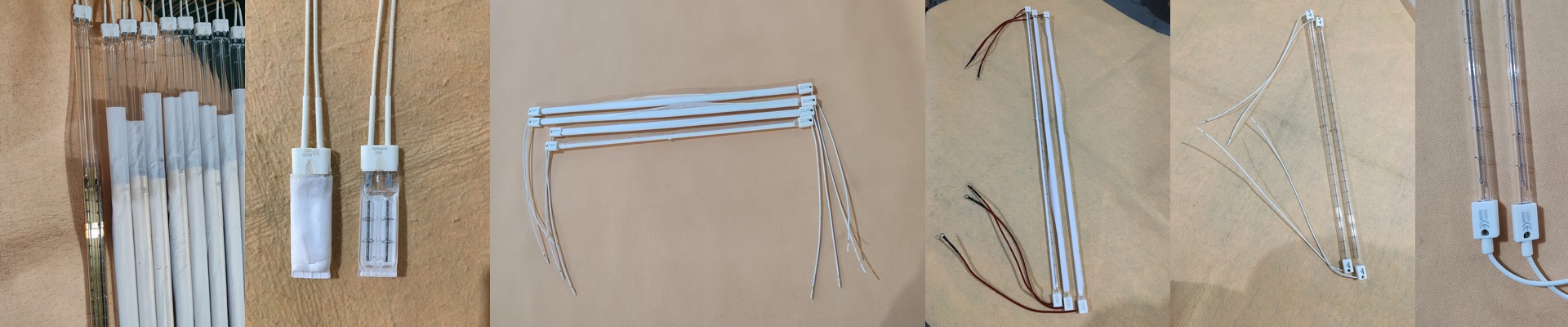
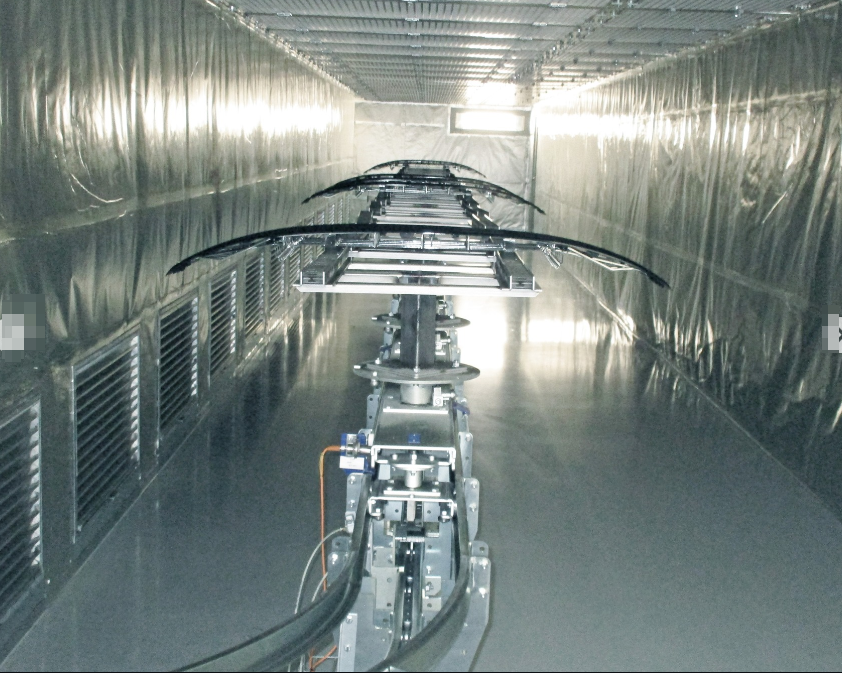
We recently helped a big aluminum extrusion plant finally kill a headache that had been dragging on for six months: profiles coming out with inconsistent curing. The problem was heat that just wasn’t hitting evenly. The solution? A certified infrared curing lamp built around a shortwave halogen design. Here’s the thing about the tech under the hood. We built this lamp as a shortwave infrared halogen unit—meaning it’s made for high-intensity heat that responds fast. It runs on 400V, pulls 2500W through a 300mm quartz tube, and packs serious heat density into a small footprint. In practice, that translates to a quick temperature jump right where you need it. And that 300mm length? It wasn’t picked at random. It matches the usual coating zones on extrusion lines, so you get even coverage without overcomplicating the setup. Running on 400V helps keep branch-circuit current lower than lower-voltage options, but it also means your plant has to be wired and terminated for that specific voltage. Now, the guts of it. The halogen element sits inside a quartz tube that can take thermal shock and keeps output steady, even when you’re cycling the lamp on and off. The tube is coated to focus infrared energy into the target wavelength band, so more of the heat is absorbed by the aluminum coating and less is wasted. And the R7s connector? It’s more than a convenience. It’s a standardized bi-pin interface that makes swapping lamps on curing fixtures straightforward. It locks in fast, aligns reliably, and cuts downtime when it’s time for maintenance. Out on the shop floor, this setup makes a real difference. You get repeatable curing across complex profiles—the kind that used to show uneven hardness. The shortwave response gives you tight control over dwell time, so you can run faster without cooking the thin sections. It’s also a drop-in replacement for standard R7s-based fixtures, so you don’t have to overhaul the whole curing station. But there is one trade-off. With 2500W of density, you need proper cooling and solid thermal shielding. Plan your airflow and mounting spacing ahead of time, or you’ll still run into hot spots.