Let’s Talk About “Made in China” Metal Finishing
If you’re an engineer, you’ve probably heard the stereotype. You see “Made in China” and you immediately think of cheap parts that’ll flake out or burn out in six months. I get it. But we do things a bit differently. Our whole approach is pretty simple: we want to give you the same muscle and performance as those massive, global brands, but without the “brand tax” you usually have to pay. We don’t spend our time on fancy brochures. We spend it on the physics of heat transfer and making sure things don’t corrode.
How we actually lower the cost
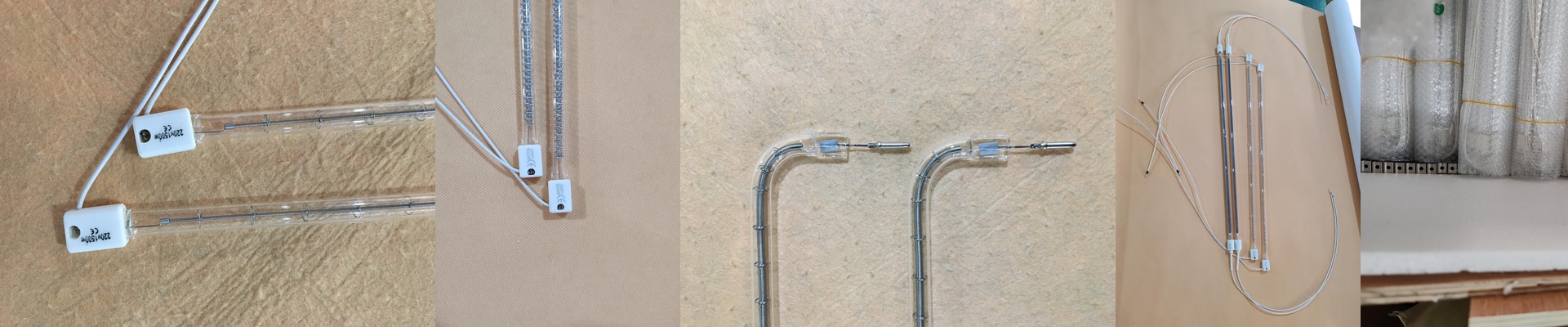
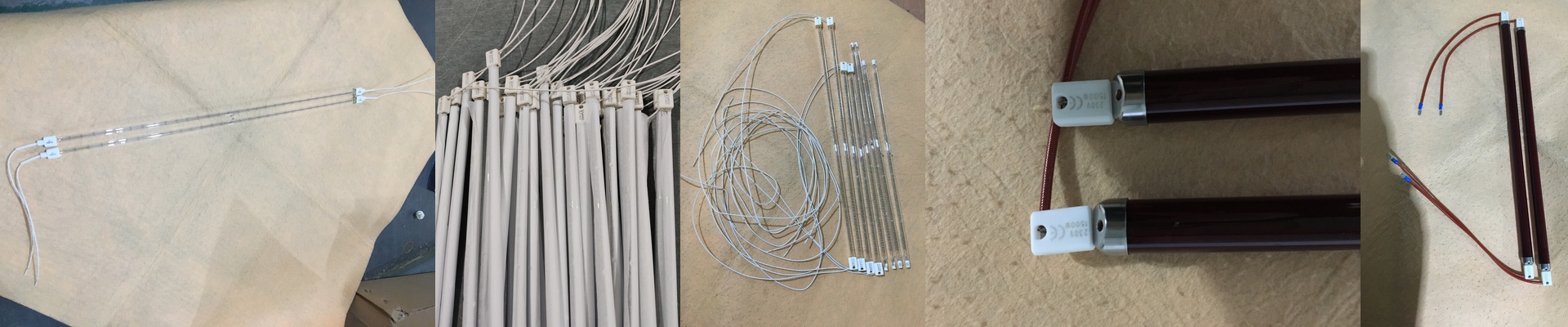
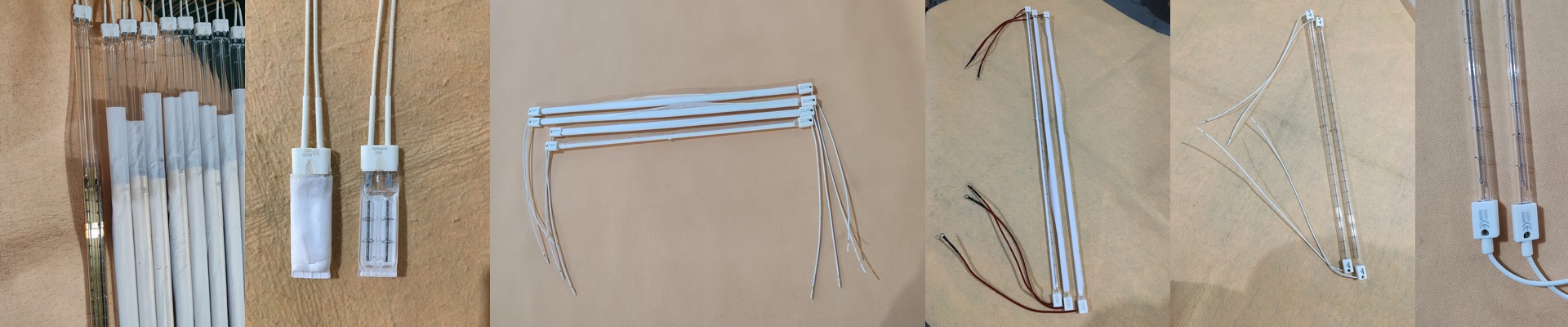
People always ask if we’re just using thinner steel or cheaper alloys to save a buck. Nope. That’s a great way to build a product that fails. Instead, we just cleaned up the way we get our parts. We source our high-purity quartz and precision filaments right here locally. It cuts out the nightmare of international shipping and bloated logistics costs, but the actual gear stays top-notch. The result? You get the same wattage density and voltage stability as the “big three” names, but the bill is way leaner.
The real talk on performance
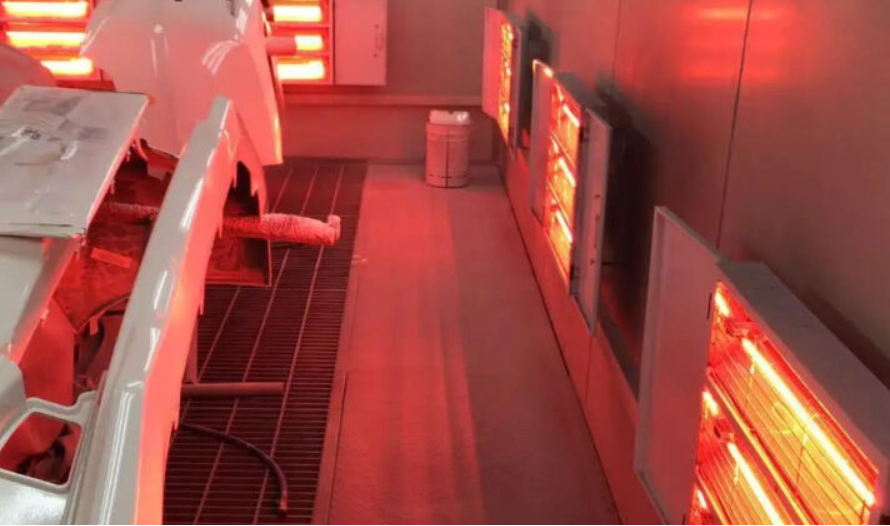
Metal finishing is a brutal environment. Whether you’re dealing with low-VOC coatings or aqueous cleaners, your heaters are basically fighting a constant war against corrosion and thermal shock. To stop the elements from sagging when things get hot, we use high-grade alloys. They hold their shape. But here’s the catch—and I want to be honest about this. When you push for maximum heat in a small space, you have to be obsessive about your airflow. If your ventilation isn’t dialed in, the heat builds up and your lamps won’t last nearly as long. It’s a trade-off. More power in a smaller footprint means you’ve got to keep a closer eye on your cooling cycle.
Swapping them out
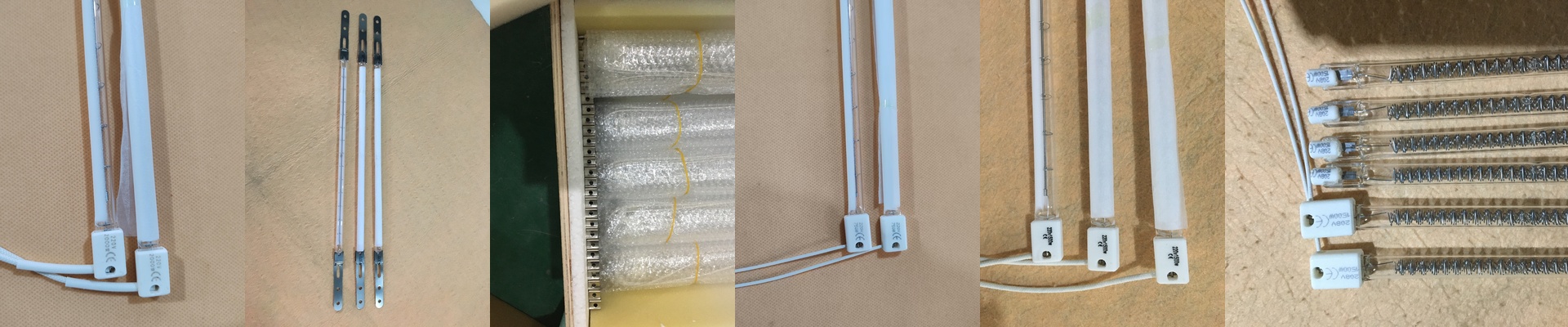
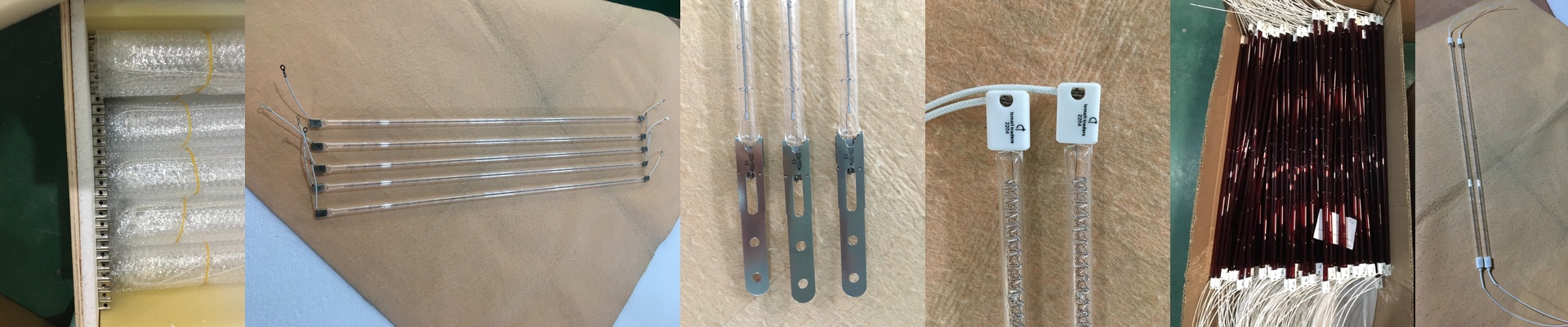
Nobody wants to spend a weekend rewiring panels or modifying racks just to try a new supplier. It’s a headache. That’s why we built these as drop-in replacements. We matched the dimensions and connectors of the industry leaders exactly. You just swap the hardware, hit the switch, and keep your cycle times exactly where they were. It’s a way to bring your operating costs down without the fear that a compatibility glitch will shut down your entire production line.