Stop Guessing if Your Powder Coating Oven is Actually Working
Most powder coating lines are a bit of a gamble. You do your manual checks, you stick to a maintenance schedule, and you just hope you don’t end up with a ruined batch of parts. We’re moving away from that. Instead of just crossing our fingers, we’re building systems that can actually tell you when they’re feeling sick.
How the “Smart” Stuff Actually Works
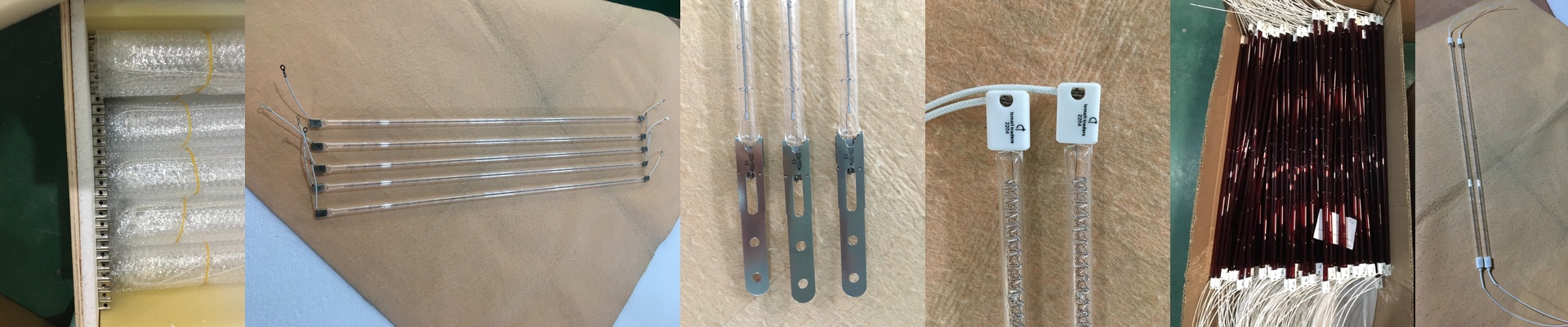
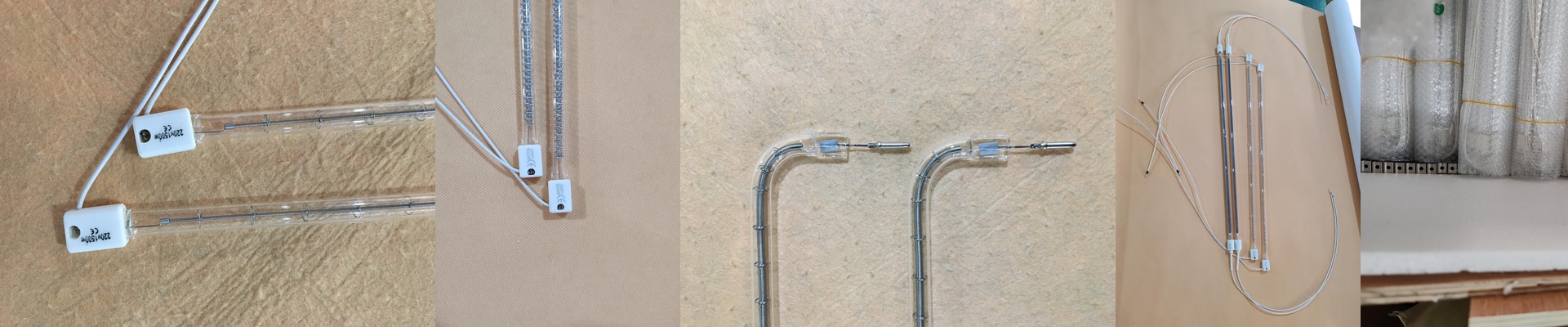
Think of it like this: we’ve tucked sensors right into the heating array. They keep an eye on voltage swings and infrared levels in every single zone. If a heating element decides to quit or a contactor fails, the system doesn’t just give you a vague “Error 404.” It tells you exactly where the problem is.No more spending three hours crawling through a 20-meter oventrying to find one dead lamp. You just go straight to the spot and fix it.
Power vs. Control
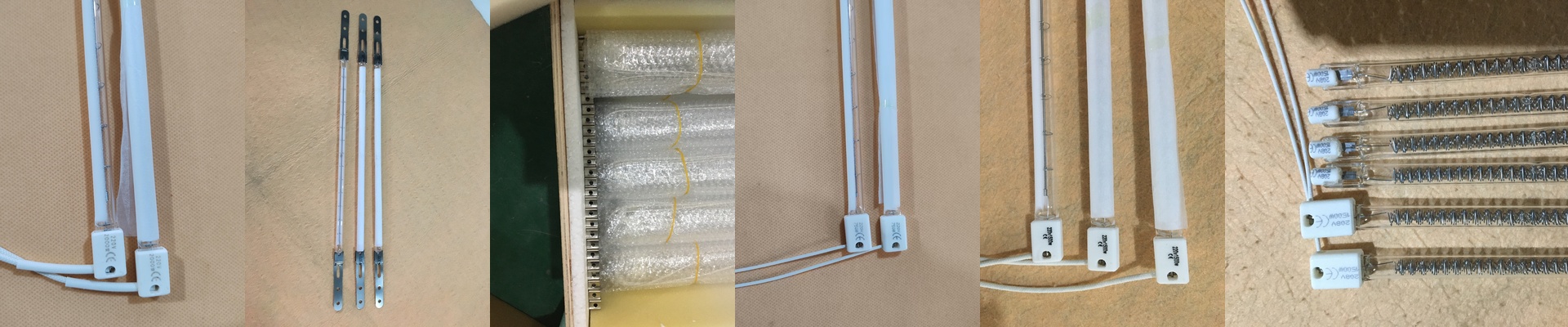
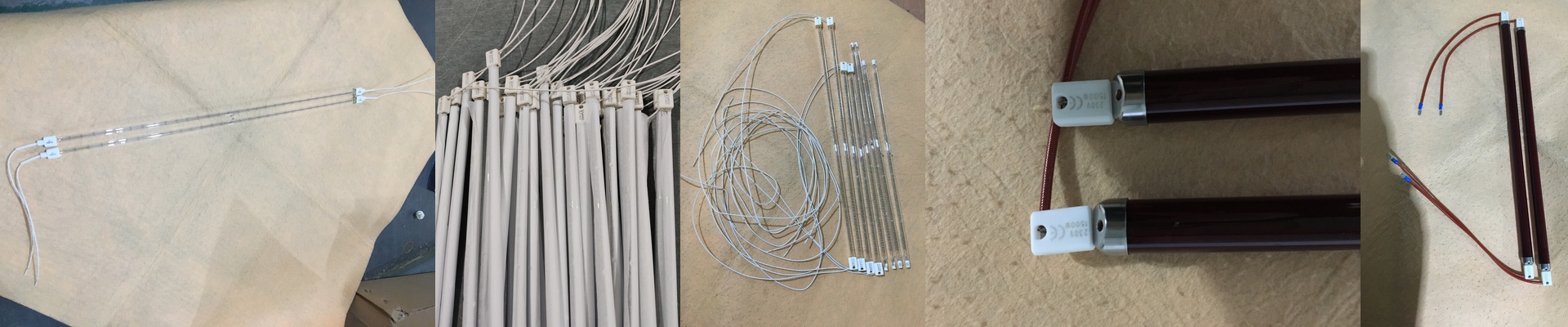
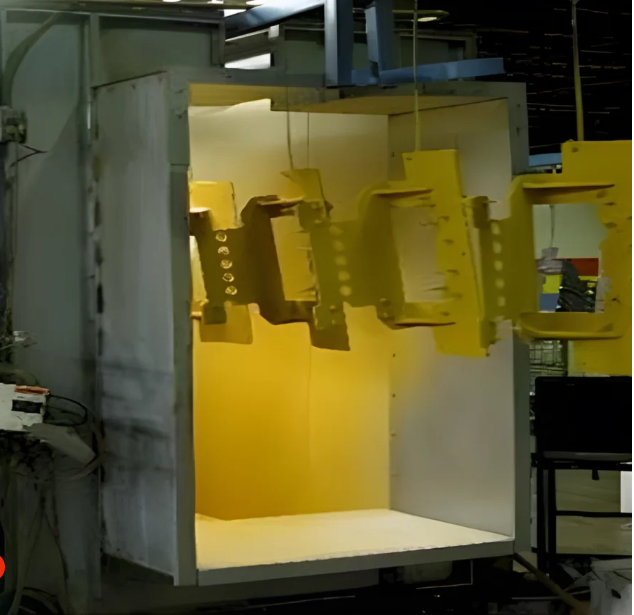
To speed things up, we’re using high-wattage shortwave infrared (SWIR) emitters. They cut cure times way down, but they’re brutal on the equipment. To keep things from melting down, we use closed-loop PID controllers. Here’s the trick: the system looks at the temperature of the actual part, not just the air floating around it. It’s fast. Really fast. But you have to be careful. If you don’t dial in your conveyor speed to match the heat, you’ll end up scorching the edges of your thinner parts.
Living with it on the Shop Floor
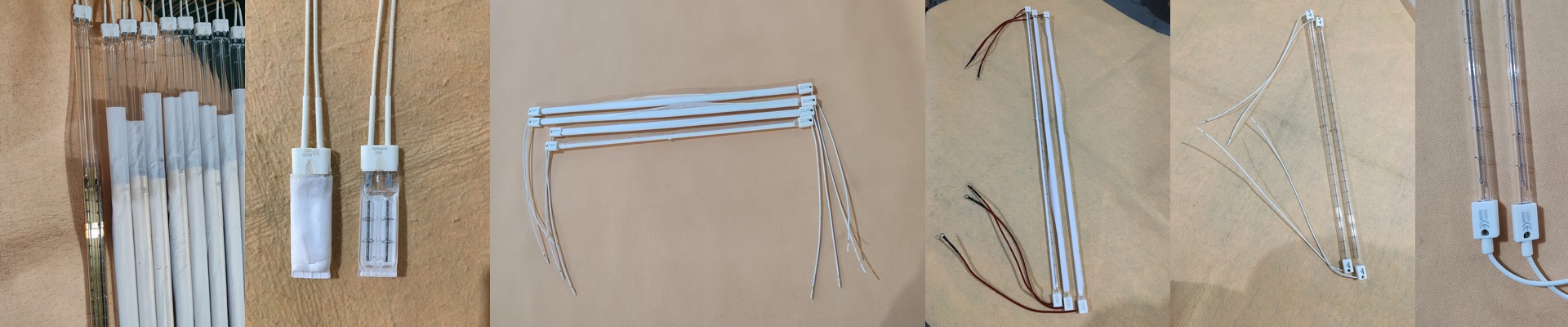
We made these systems “drop-in.” When the diagnostic tool screams that something is broken, you just swap the module. You don’t have to rewire the whole rack. It turns a whole afternoon of downtime into a few minutes of work. There is a catch, though. This gear takes up more room. You’ll need a bigger cabinet and a rock-solid power supply. And if your plant’s electricity is “noisy,” you’re going to want isolated power filters. Otherwise, your sensors might start hallucinating and throwing false alarms.