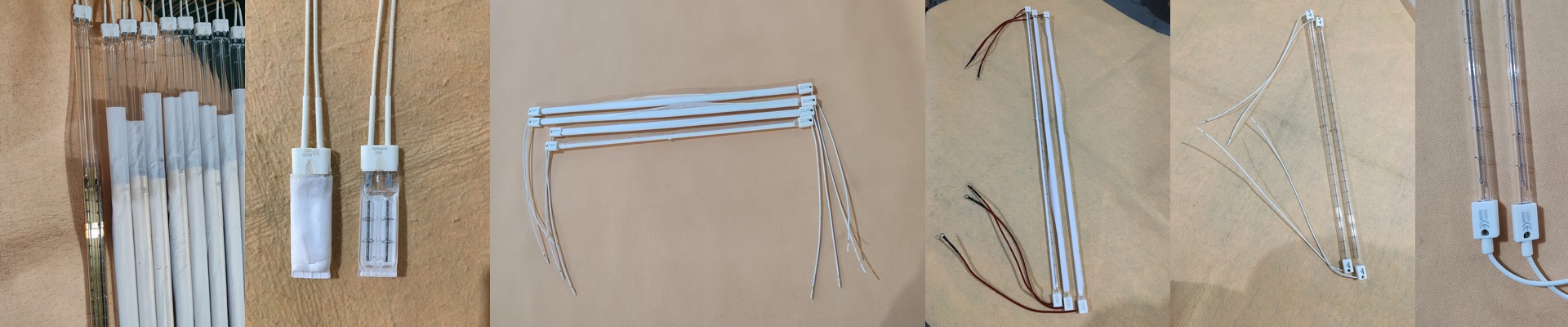
Let’s Talk About High-Density Halogen Emitters
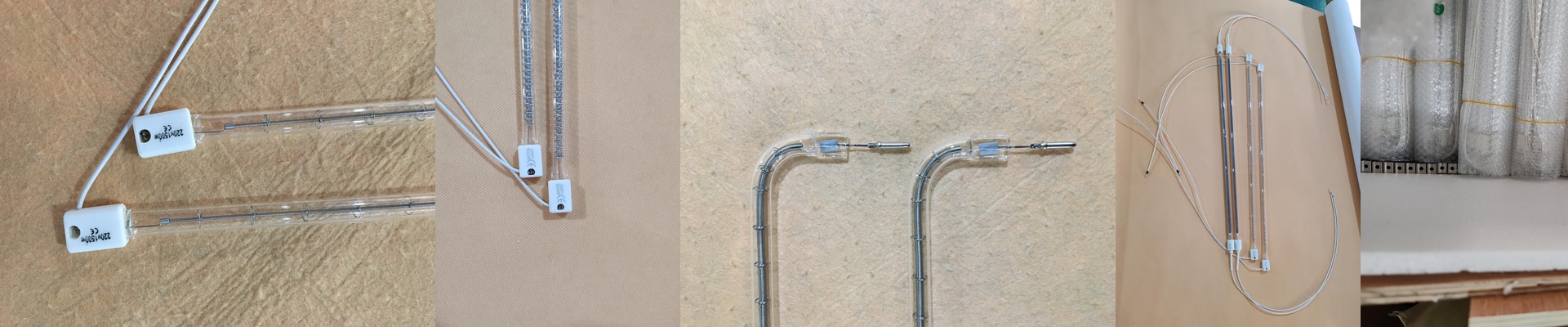
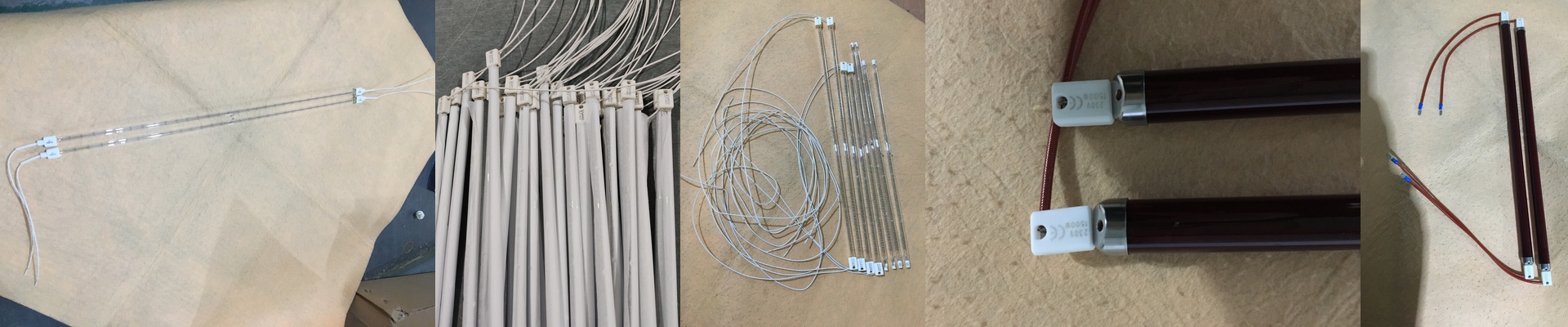
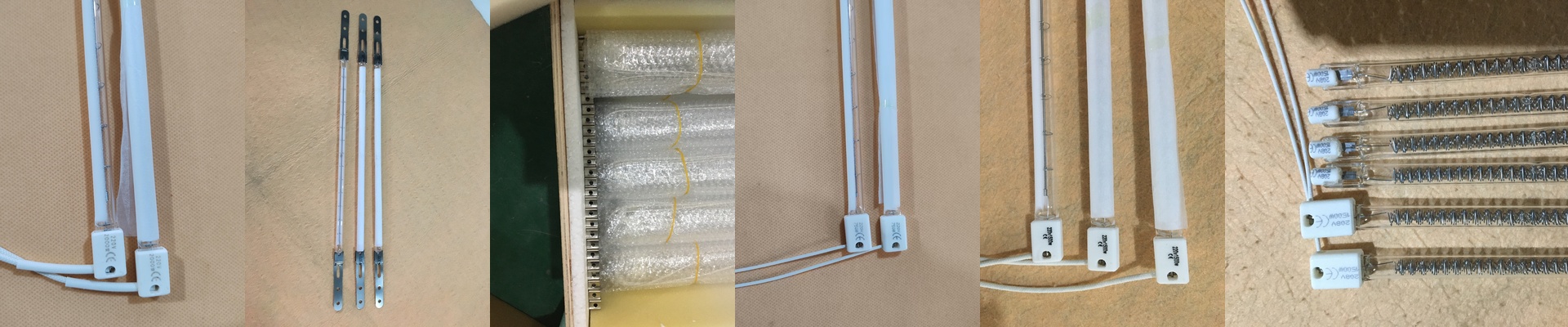
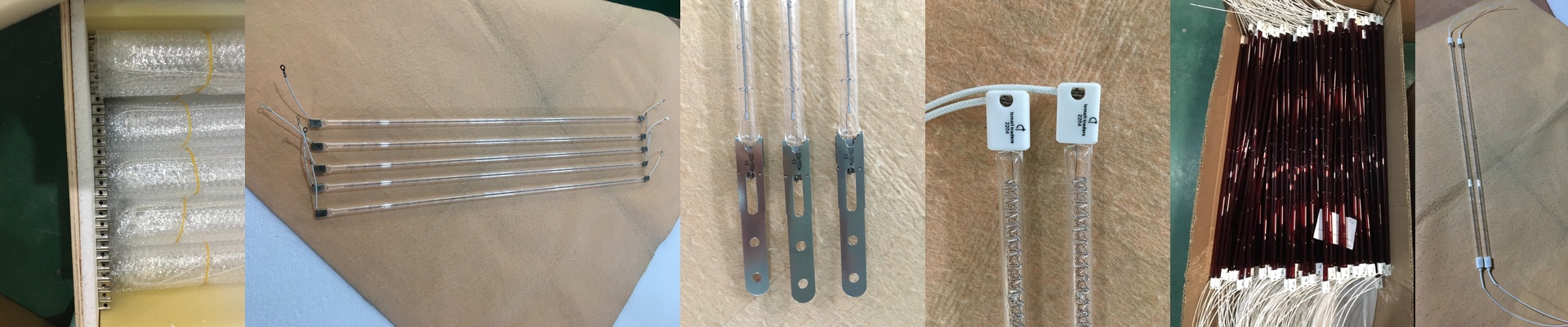
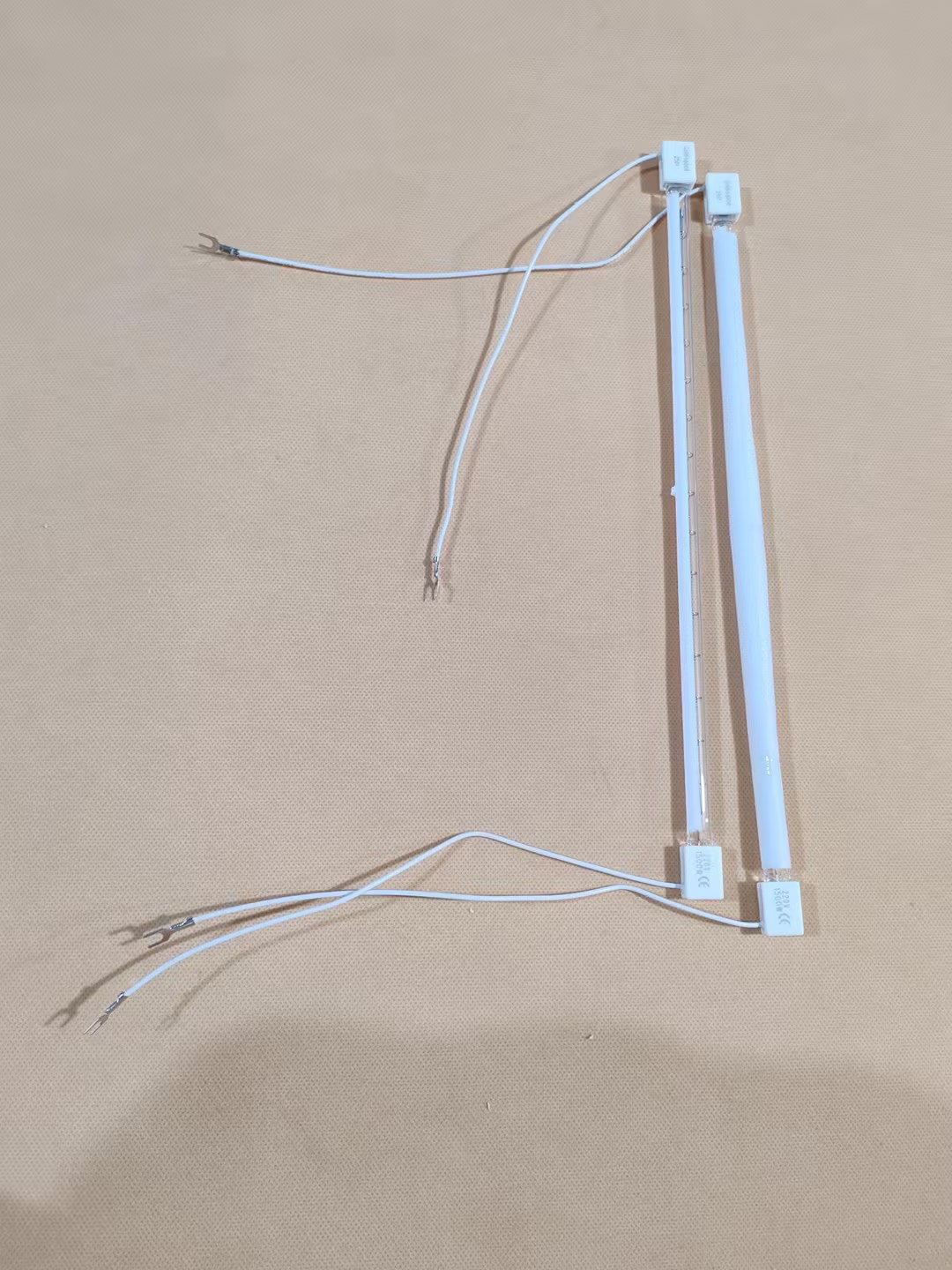
Ever wonder why some heaters just feel… faster? It’s all about how they move the heat. Our halogen emitters use a tungsten filament tucked inside a quartz tube with a bit of halogen gas. Here is the secret: they use shortwave infrared. Instead of wasting time heating up the air around your part, the heat punches straight through the material. It’s direct. It’s efficient. The Power Stuff We build these with a high wattage-to-length ratio to get as much heat as possible into a small space. If you go with a high-voltage setup—think 230V or 400V—you can actually pull less current for the same amount of heat. The perk? You can use thinner wires in your control panels. But a heads-up: these things gethot. Really hot. If your chassis or cooling fans aren’t up to the task, you’re going to fry your other components. Don’t skip the cooling. Build and Fit We use quartz glass because it doesn’t freak out when the temperature swings wildly. Sometimes we coat the glass to change how the heat hits or to keep the filament clean. For the plugs, we stick with R7s or SK15 connectors. They just work. They slide right into standard industrial sockets and stay put. That’s important because if a tube vibrates and the connection is loose, you’ll get arcing. And nobody wants that. Real-World Use (and the Gotchas) You’ll see these in everything from PET blowing to paint curing and plastic welding. The best part? They ramp up almost instantly. Your production line doesn’t have to sit there idling while you wait for a heater to warm up. But there is a catch. Quartz is fragile. One clumsy move during install or a tiny splash of chemicals on the glass, and you’ve got a stress crack. It happens. To keep them from burning out, I highly recommend a PID controller. It stops those nasty thermal spikes that kill filaments. Pair that with an SCR power controller, and you’ll have your temperature locked in exactly where you want it.