Getting Your PET Preform Heating Just Right
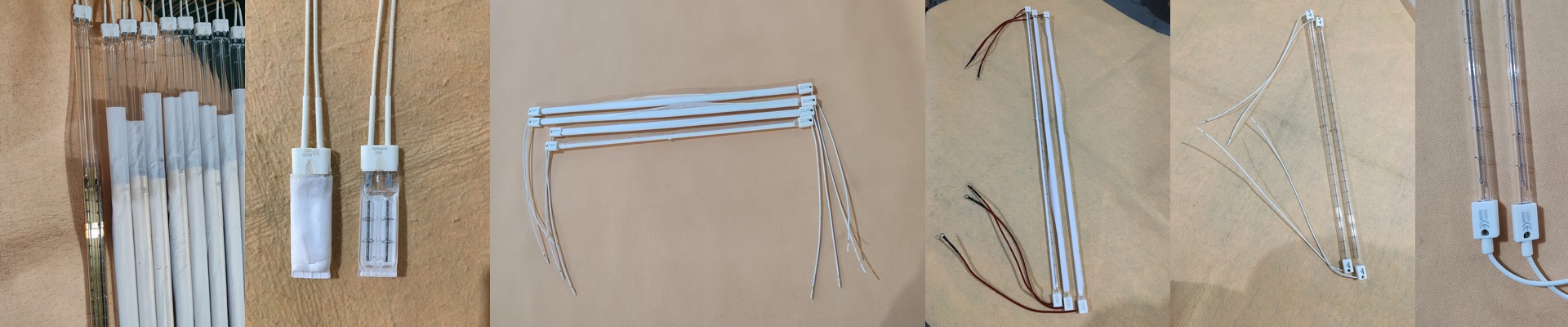
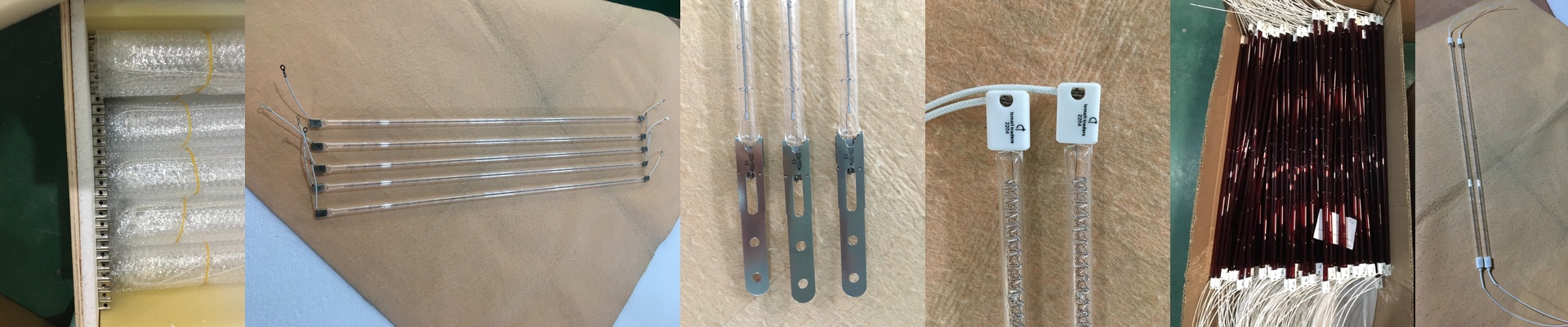
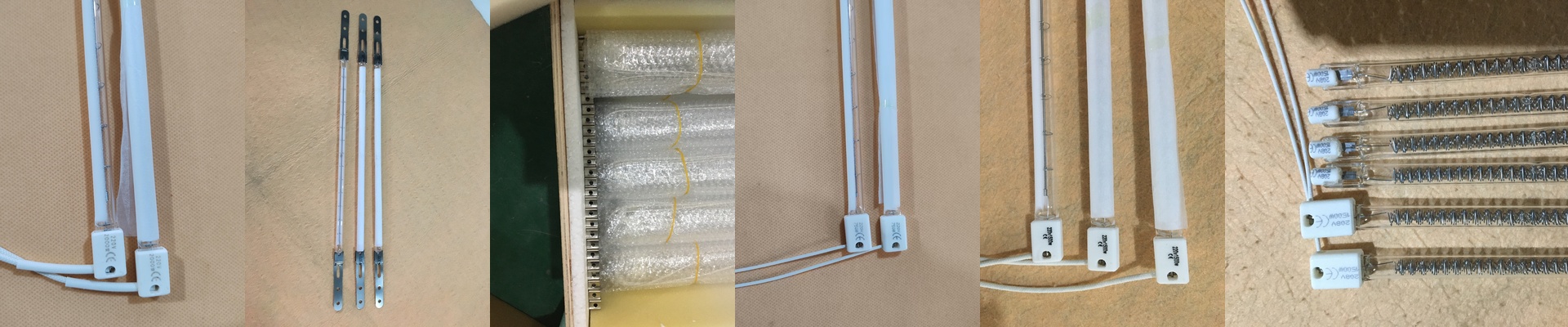
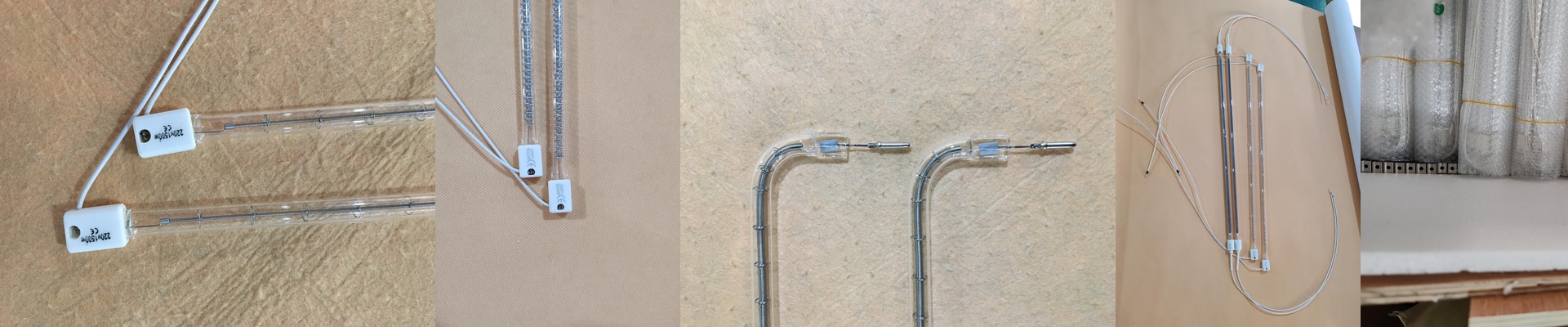
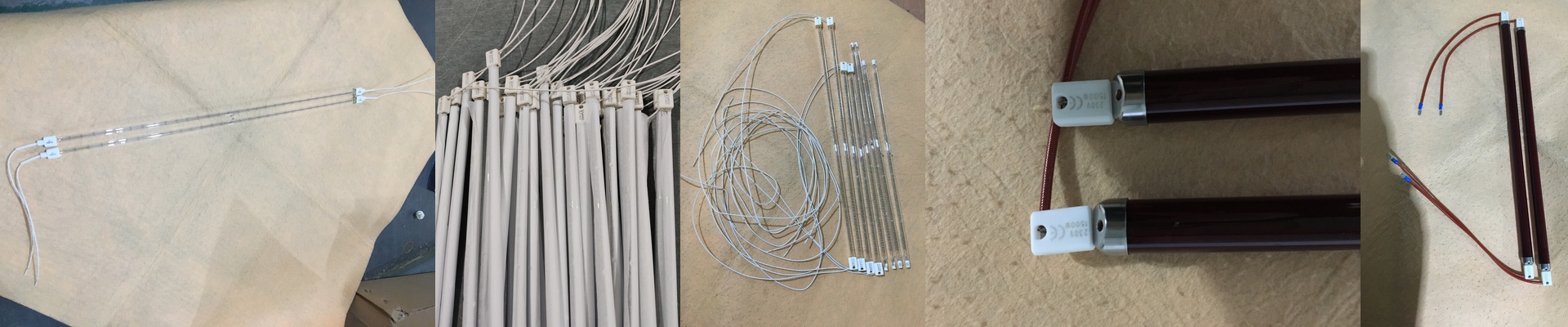
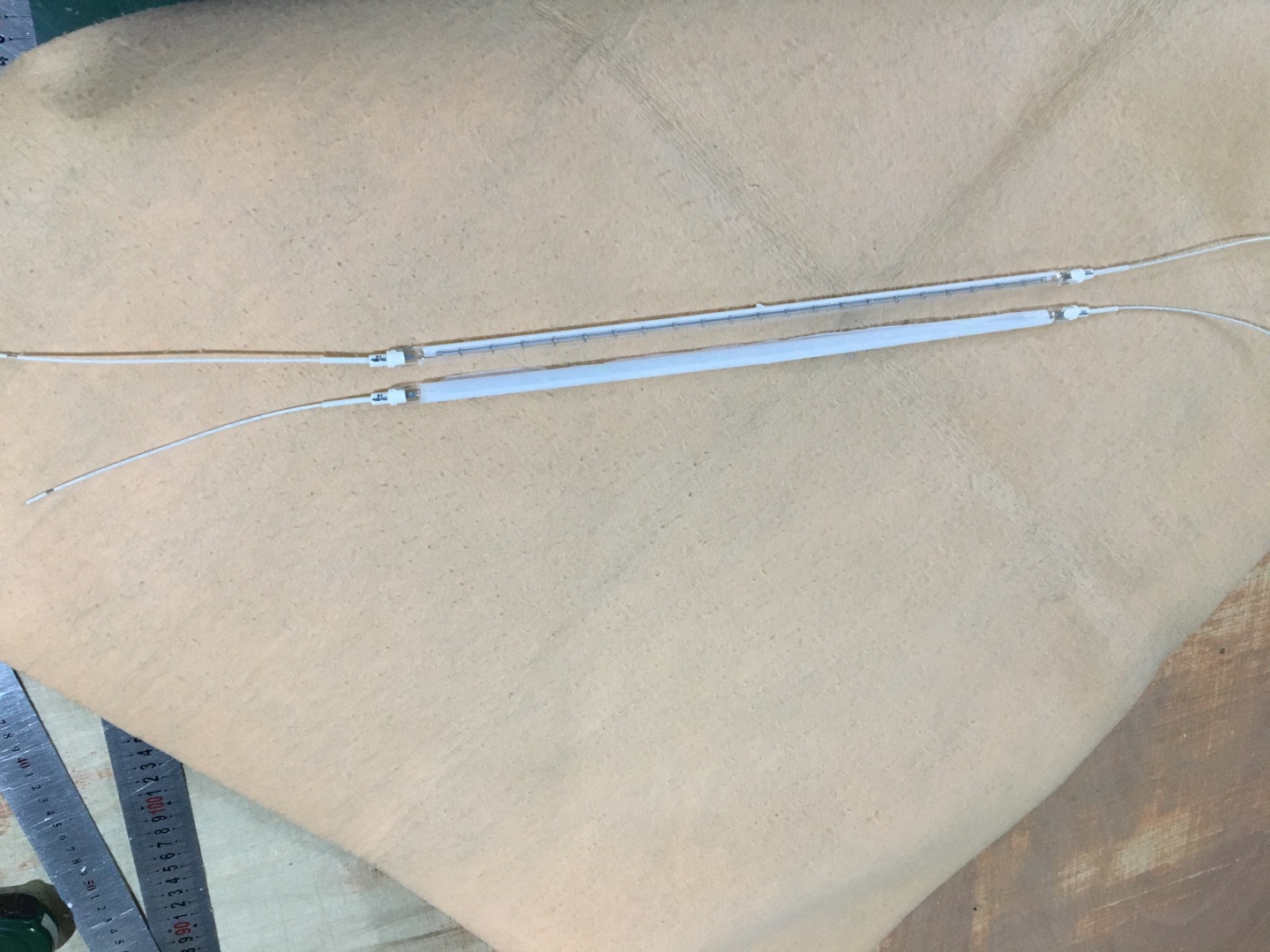
If you’re running a PET blowing machine, you know the struggle. You need that plastic softened perfectly before it hits the mold. Too cold? The bottle won’t form. Too hot? You’ve got a melted mess. That’s why we stick with halogen infrared lamps. They pack a punch. They push heat deep into the plastic wall without just scorching the surface. The Power Stuff To keep your cycle speeds where they need to be, you’re going to need some serious wattage. Most of our setups use tubes between 2000W and 3000W. Now, about the voltage. You’ll usually see 230V or 400V. Here’s the trick: going with a higher voltage drops the current per lamp. That means you can add more heating zones without worrying about blowing a fuse or overloading your electrical panels. What They’re Made Of We use high-purity quartz glass for a reason. These lamps go from freezing to scorching in a heartbeat, and quartz is the only thing that can handle that kind of thermal shock without cracking. Plus, some of our tubes have a special coating. It’s not just for show—it shifts the heat to the exact wavelength that PET resin loves to absorb. And for the plugs? We use R7s or Sk15 connectors. They’re simple, standard, and they stay put. The last thing you need is a connector wiggling loose while your machine is humming along at full speed. The Real-World Trade-offs Here is the catch: these lamps put out a massive amount of heat. Because of that, your reflectors and cooling fans have to be spot on. If your reflectors get dirty or pitted, you’ll end up with “hot spots.” That leads to thin walls in your bottles, and nobody wants that. You also have to find the sweet spot between how hot the lamps are and how fast your conveyor is moving. If you’re too slow, you’ll burn the plastic. One last tip:**Keep the quartz clean.**Seriously. A single fingerprint or a smudge of oil can create a hot spot on the glass, and that’s a fast track to a burnt-out tube. Keep them spotless, and they’ll last much longer.