Introduction
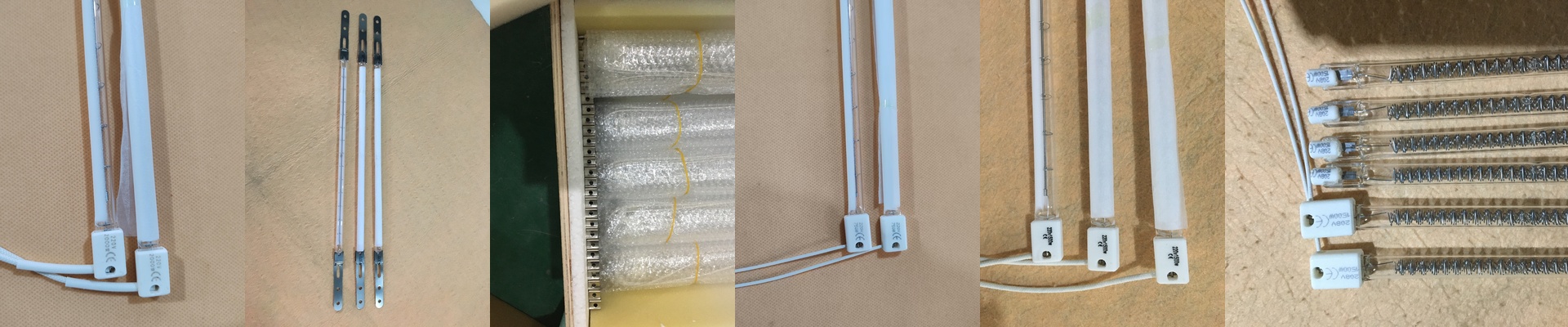
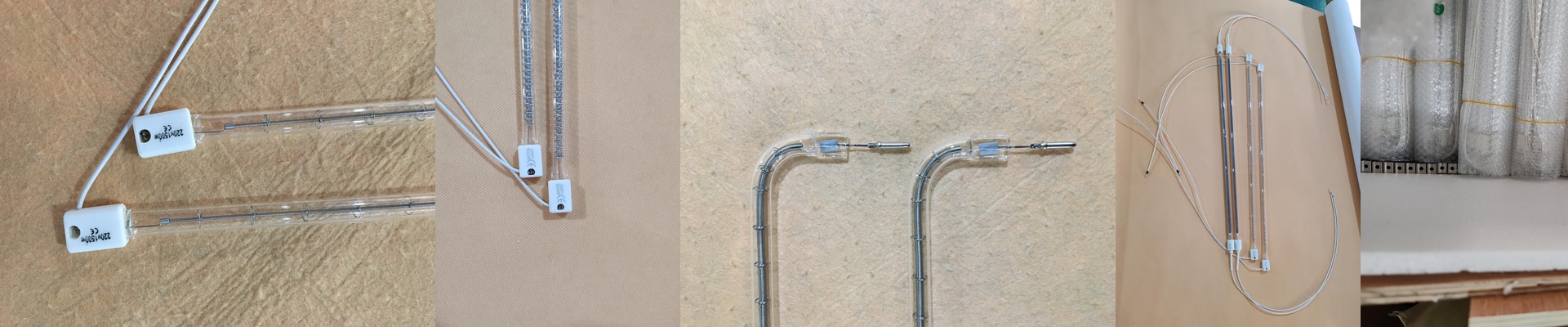
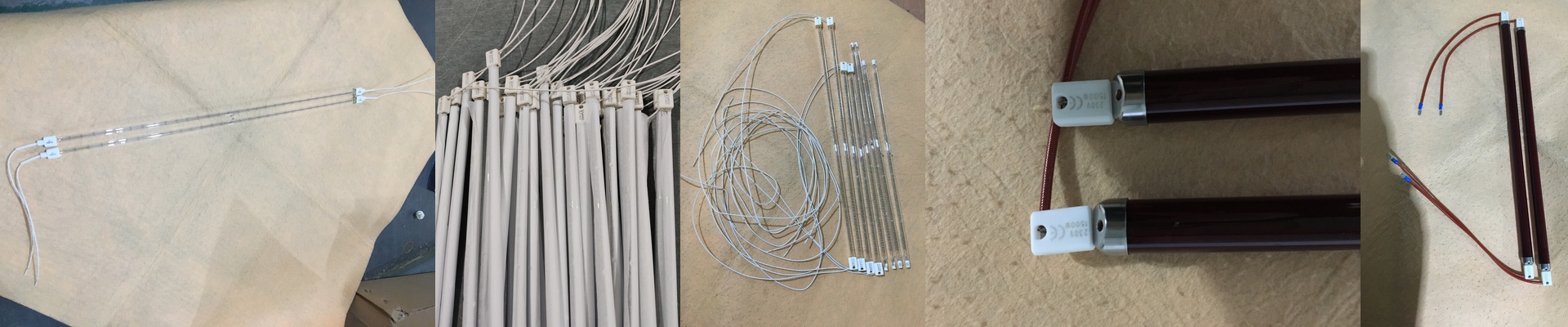
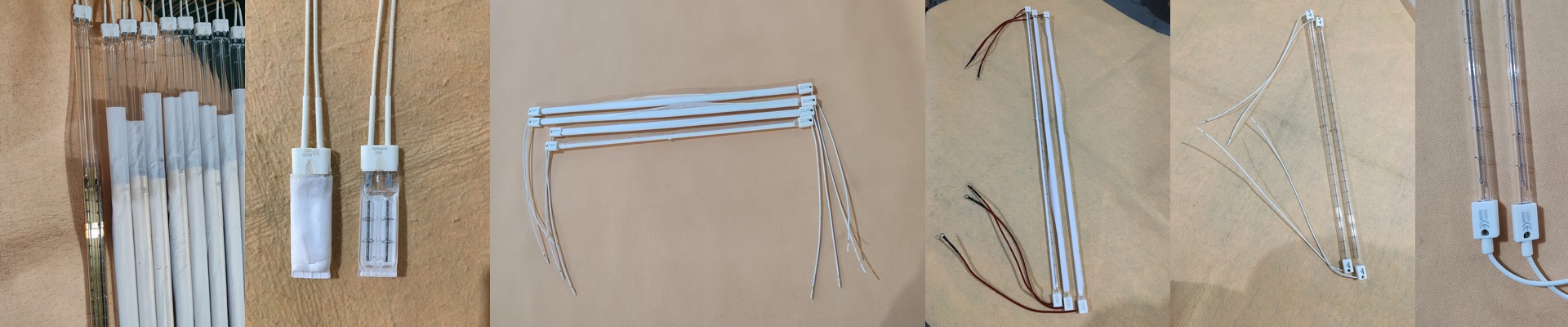
We built these halogen lamp infrared heaters for the kind of industrial work where you need heat that hits hard, responds instantly, and doesn’t take up a ton of space. They use shortwave infrared to blast high-density energy right where you want it—onto the target—without wasting time heating the air around it. That makes them a natural fit for jobs that demand a fast temperature jump and precise control, like plastic processing, adhesive curing, and drying parts. Inside, you’ve got a high-intensity halogen filament sealed in a quartz envelope. It’s built to take the rough life of a factory floor and keep delivering the same heat, over and over.
What makes them work (in plain terms)
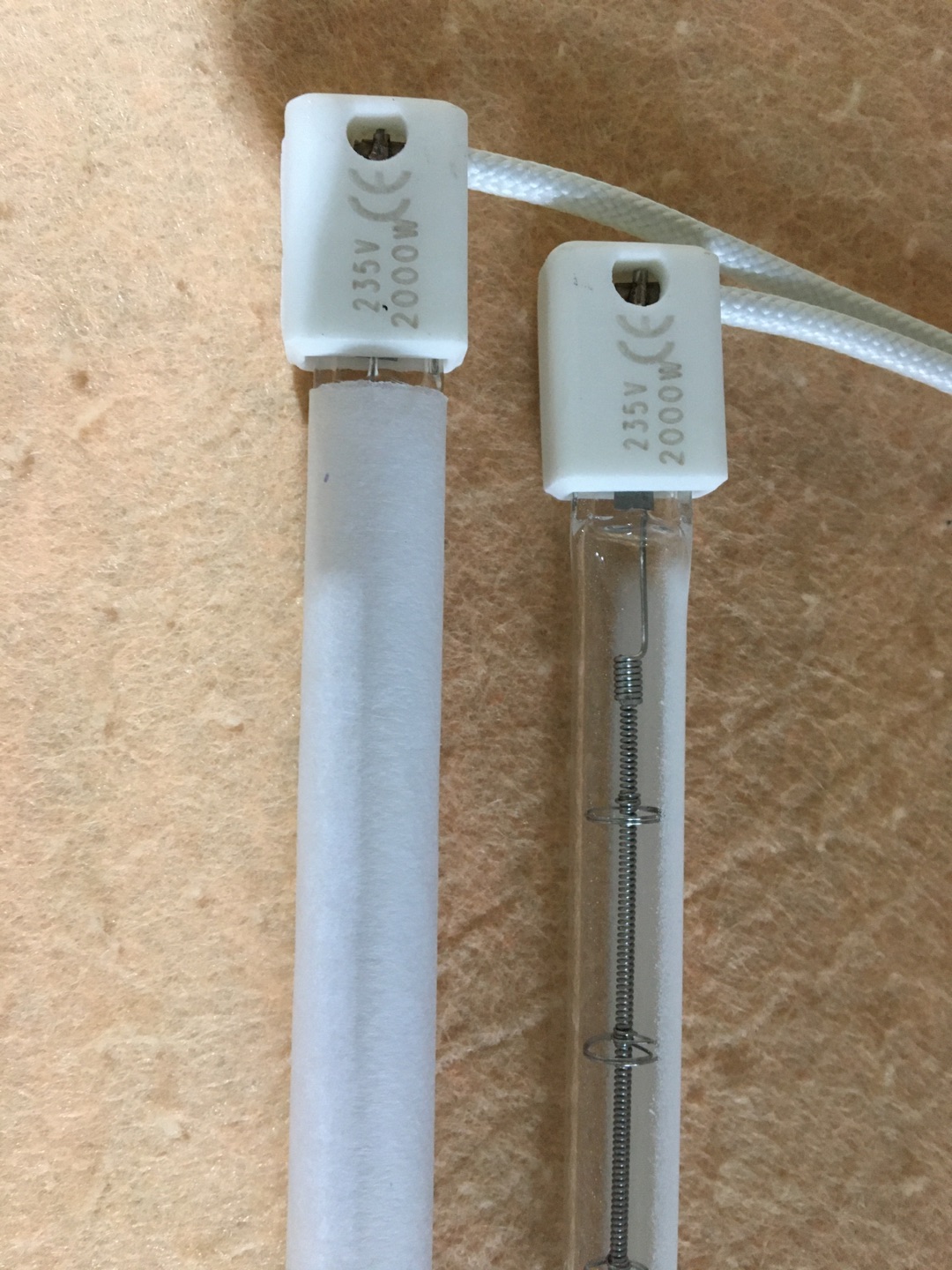
It all comes down to voltage, wattage, and size—balanced the right way. We typically run these lamps at high voltage, often 400V, paired with serious power, like 2500W. That’s intentional. High voltage lets you pack a lot of power into a small tube, so you get intense heat without needing a giant footprint. The tube length is kept to about 300mm, so the heat stays focused on a tight zone—exactly the line, mold, or part you’re heating. No energy scattered all over the place. That concentrated power is why shortwave infrared feels so fast. The filament runs extremely hot, and the energy peaks in the near-infrared band. So the workpiece gets hit with heat quickly, and cycle times shrink. But here’s the practical part: that kind of output creates real heat. If you’re running 2500W in a tight machine space, your cooling, ventilation, and shielding need to be set up for it. Plan that early, and the heater keeps performing steadily.
Materials and design choices that matter
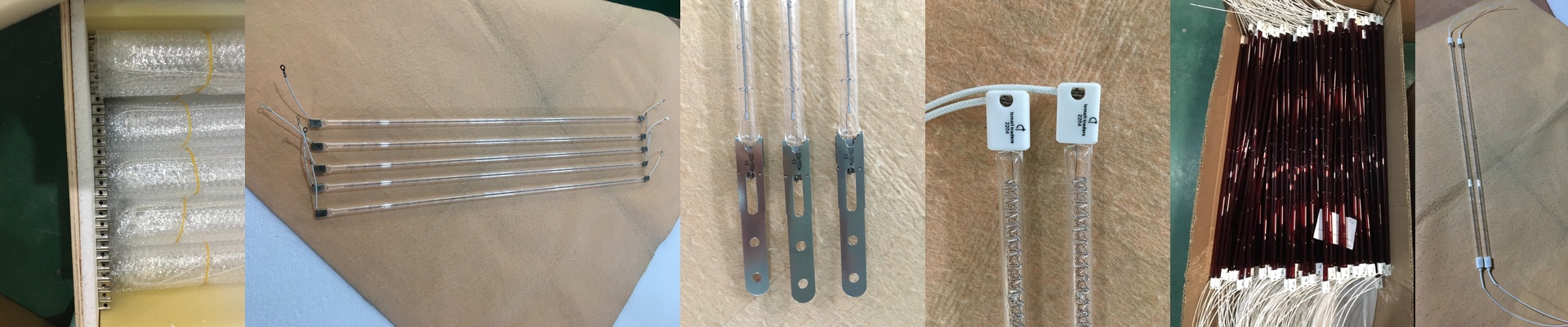
Long life comes from the halogen cycle. Inside the quartz envelope, halogen gas catches filament material that evaporates and puts it back onto the filament. That reduces blackening and slows burnout. Quartz isn’t an accident, either. It handles high operating temperatures, shrugs off thermal shock, and stays transparent to infrared—so the tube doesn’t soak up the heat you want delivered. We also add reflective coatings on the quartz to push more infrared forward, boosting what actually reaches the target and cutting wasted heat. And connectors matter when you’re out in the field. The R7s base gives you a solid, two-contact connection that’s standard across many industrial heaters. It carries the current, makes installation straightforward, and keeps replacement simple—often a direct swap. For certain setups, we can use Sk15 connectors to match specific mounting and wiring needs, so you’ve got flexibility depending on the machine.
Where they shine—and what to keep in mind
These heaters are at their best when you need fast heat-up and energy that stays localized. Take PET blowing: you need to heat the preform quickly and consistently so the stretch behaves right. Shortwave infrared responds fast enough to keep up with line speed, and it focuses the heat on the preform, not on the whole machine. The same thinking applies to thermoforming, lamination, and adhesive curing—anywhere you need a quick temperature rise you can repeat with confidence. The 300mm tube is a real advantage. It slips into tight spots, and the R7s interface makes wiring and replacement easier during maintenance. The trade-off? High power density means you have to take thermal management seriously. Set up airflow and shielding from the start, and the lamp will keep delivering stable output over its service life. We designed these heaters around real factory realities: high output, fast response, and easy service. If your process needs concentrated infrared heat that installs cleanly, replaces without drama, and stays controllable without overhauling the machine, a halogen lamp infrared heater is a straightforward, practical solution.