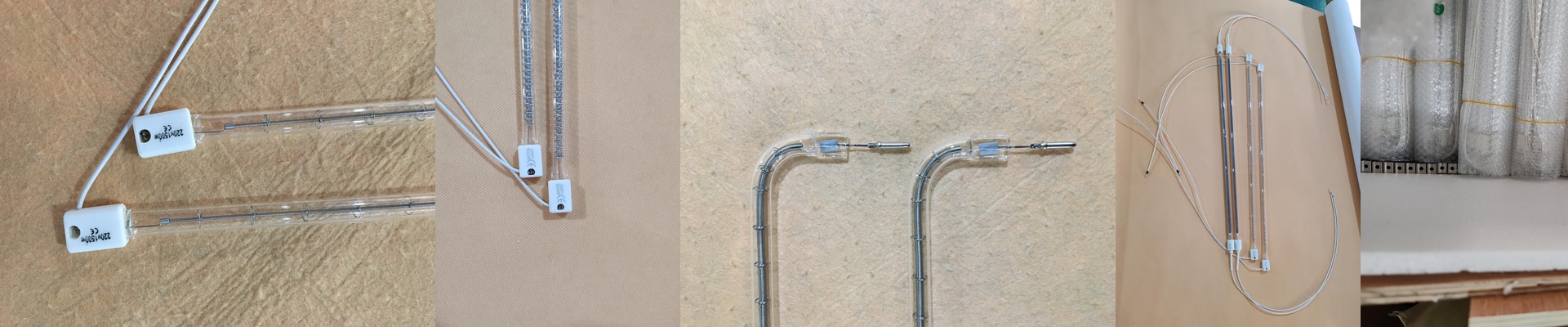
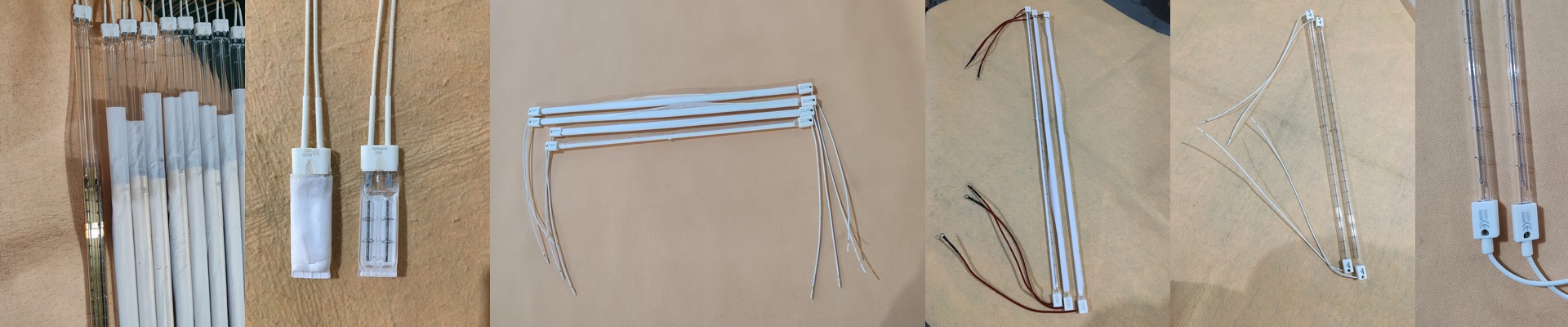
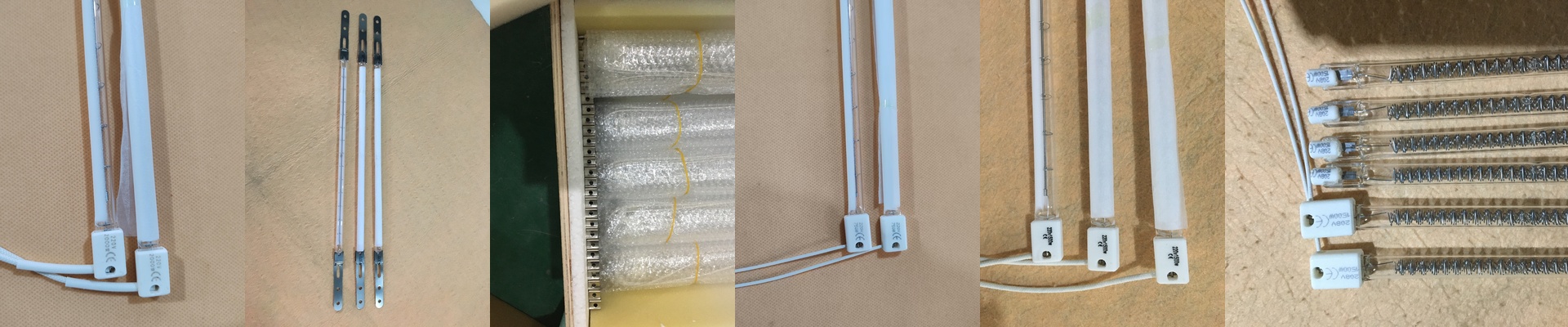
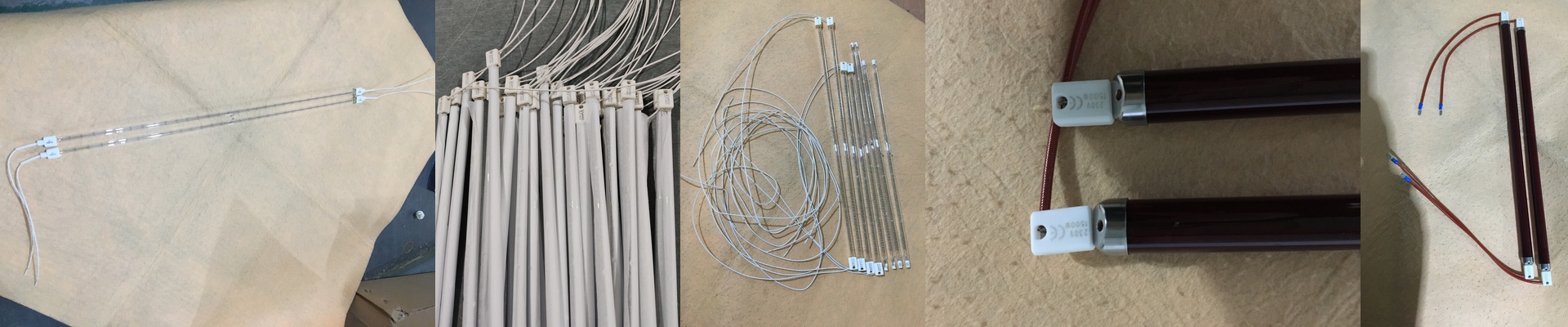
Stop Replacing Your Textile Lamps Every Few Months
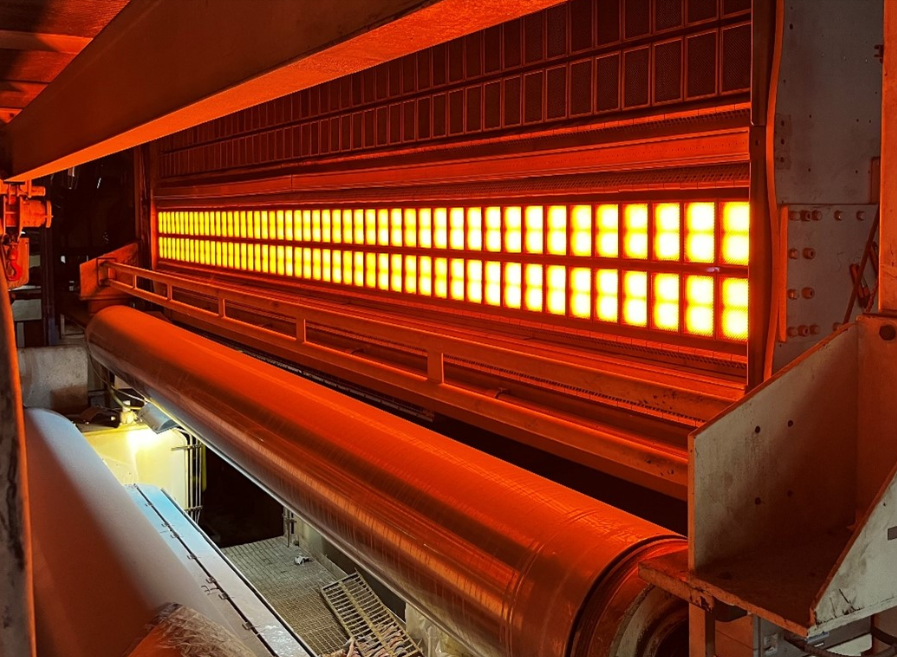
Textile curing and drying lines don’t take breaks. They run 24/7. So, when a heater bulb pops, it’s not just a broken part. It’s a dead line, lost production time, and another piece of glass heading for the trash. We think there’s a better way. Instead of hunting for the cheapest lamp upfront, we focus on the real cost:how much does it cost you for every hour it actually runs?
Why they actually burn out
Most of these lamps die for two reasons: the filament evaporates or they get hit with thermal shock. To fight this, we use a halogen cycle. Think of it as a recycling system that pushes evaporated tungsten back onto the filament. It stops the wire from thinning out too fast, which is usually what kills the bulb. Then there’s the quartz shell. We use high-purity quartz because textile batches involve a lot of rapid heating and cooling. It’s a brutal cycle. But here’s the catch: if you crank the wattage to the max without enough airflow, the ends of the tube will soften and fail. You’ve got to find that sweet spot between your power settings and your ventilation, or you’re just speeding up the countdown to the next burnout.
Getting the fit right
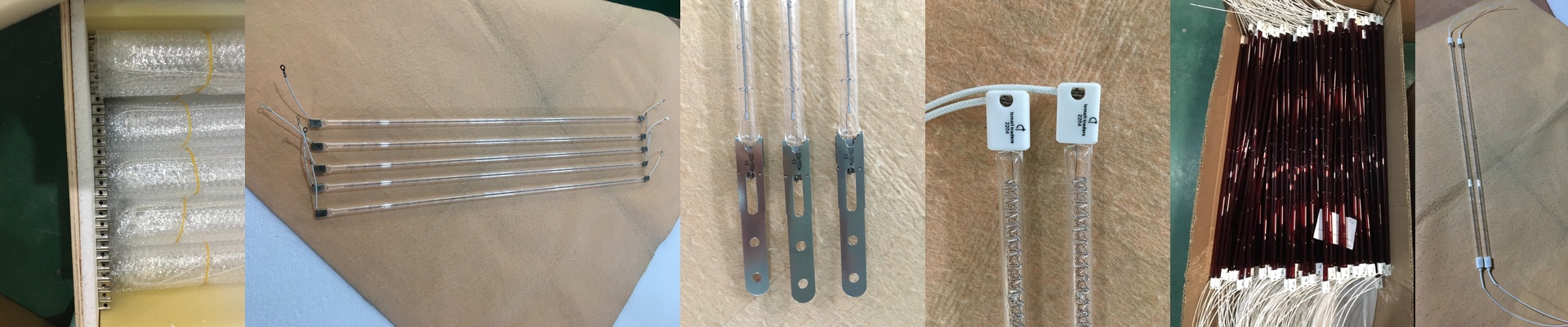
We make these in plenty of lengths and voltages to fit whatever setup you’ve already got. One pro tip? Go with a higher voltage if you can. It drops the current draw, which means your wiring and connectors don’t get nearly as hot. And please, check your connections. Whether you’re using R7s or Sk15 bases, they need to be tight. A loose terminal creates a hotspot that can melt your socket long before the lamp even has a chance to wear out.
The honest trade-off
Look, these aren’t magic. To get a lamp to last way longer, you usually can’t run it at its absolute peak temperature. You might notice a 5% or 10% dip in immediate heat intensity. For most people, that’s a trade they’re happy to make. You get thousands of extra hours of service. That means way fewer midnight emergency calls for your technicians and a lot less junk in the scrap bin.