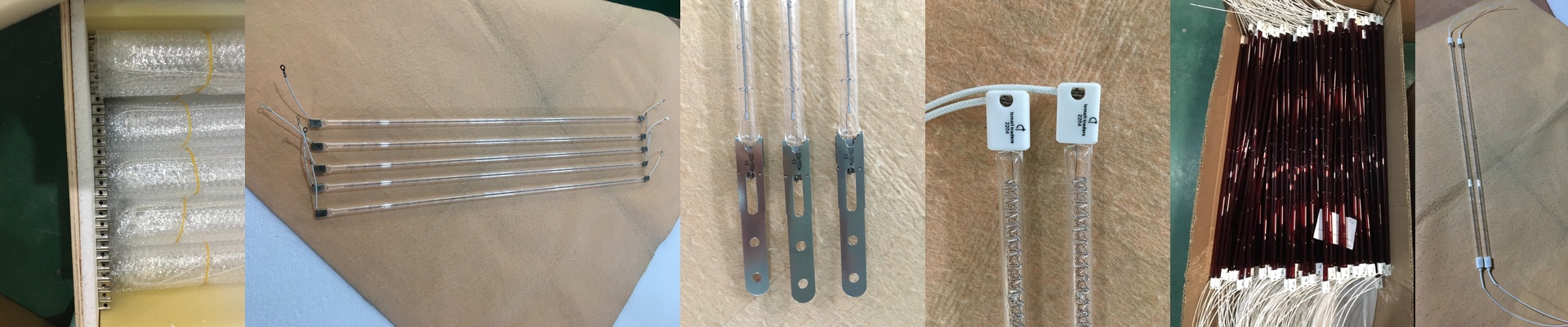

Stop Your IR Lamps From Sagging and Burning Out
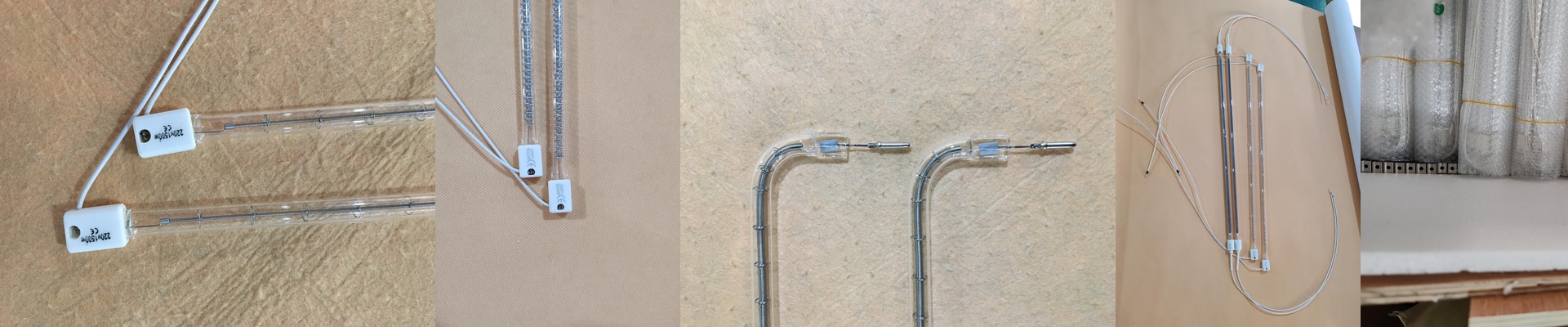
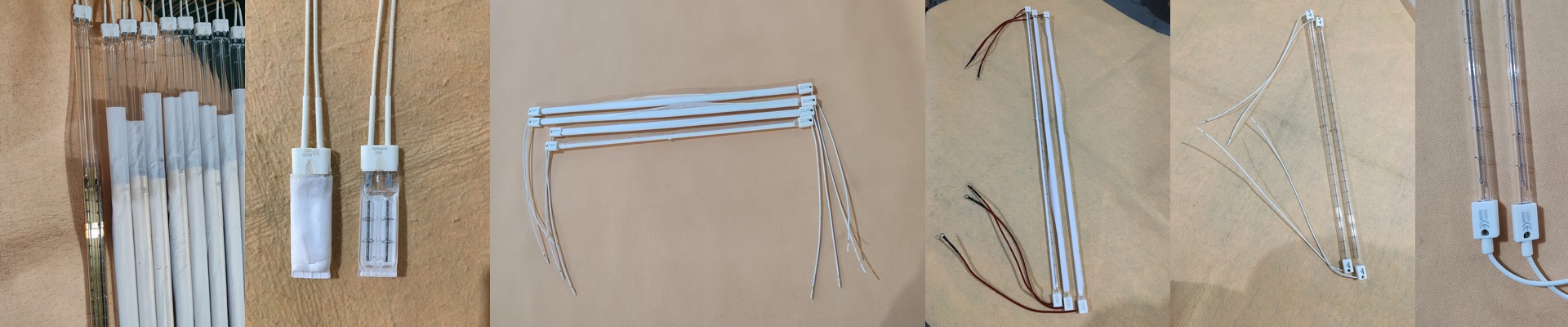
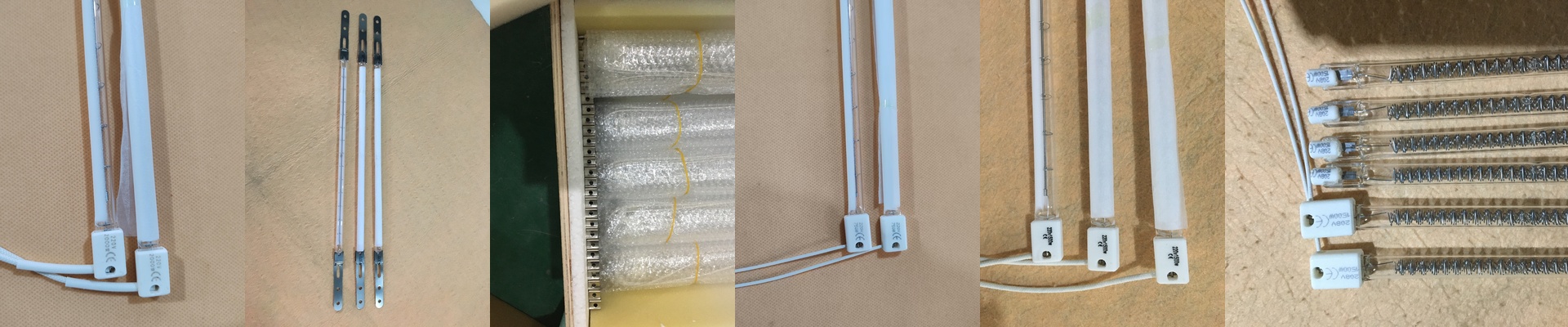
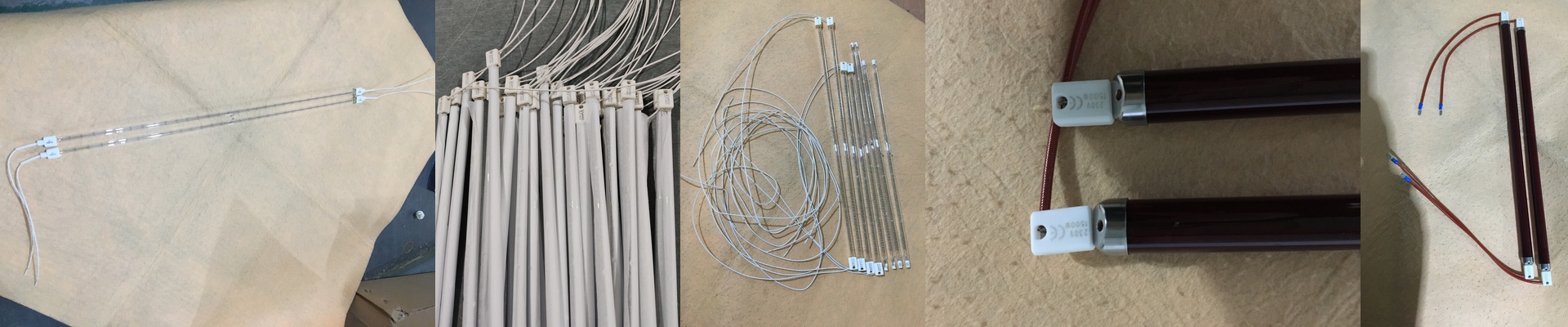
If you’re running IR lamps in Santex-style systems, you know they don’t just stay on. They cycle. On and off, over and over. Thousands of these start-stop sequences create this brutal loop of heating up and cooling down. It’s a lot of stress on the hardware. If the filament support isn’t built for that kind of abuse, the tungsten wire starts to sag. And once it sags? It hits the quartz envelope, shorts out, and—pop—there goes your lamp. Dealing with the fatigue We spend a lot of time focusing on how those supports handle fatigue. The physics are pretty basic: heat makes metal expand, cooling makes it shrink. To stop the warping, we use high-purity quartz supports and a very specific alloy tension. The goal is to make sure the filament snaps back to exactly where it belongs every single time. We don’t just guess, either. We run these tubes through tens of thousands of cycles to make sure they can actually handle a real-world workload without giving up. Finding the sweet spot It’s a bit of a balancing act. If the support is too loose, the lamp droops and fails way too early. But if we make it too rigid, the glass can’t handle the thermal shock and just cracks. We’ve spent a long time tuning that tension. We want the lamp to keep its focal point and its footprint, even after months of heavy use. It just works. The catch Now, there is one thing you need to watch out for. This kind of durability requires a bit of care with your voltage. If you just slam the lamps with full power instantly, you’re going to shock the supports—no matter how high the fatigue rating is. You’ve got to match your power supply to the lamp’s thermal ramp. We build these things to take a beating, but your electrical setup needs to be dialed in if you want them to actually last.