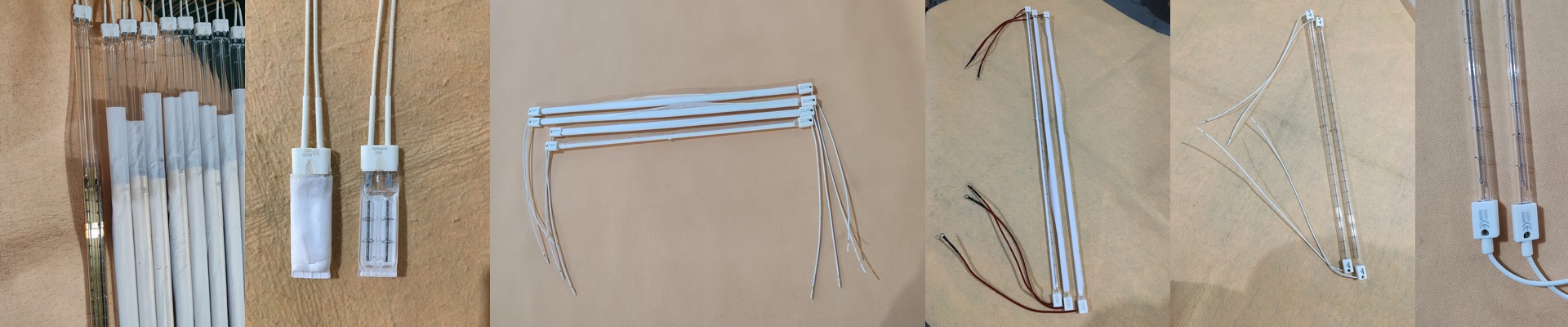
Getting Your Textile Curing Just Right
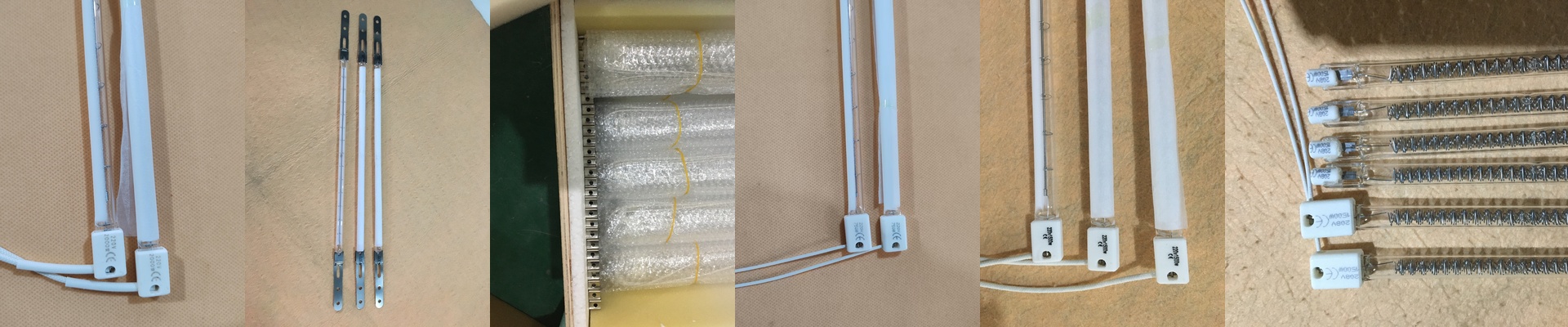
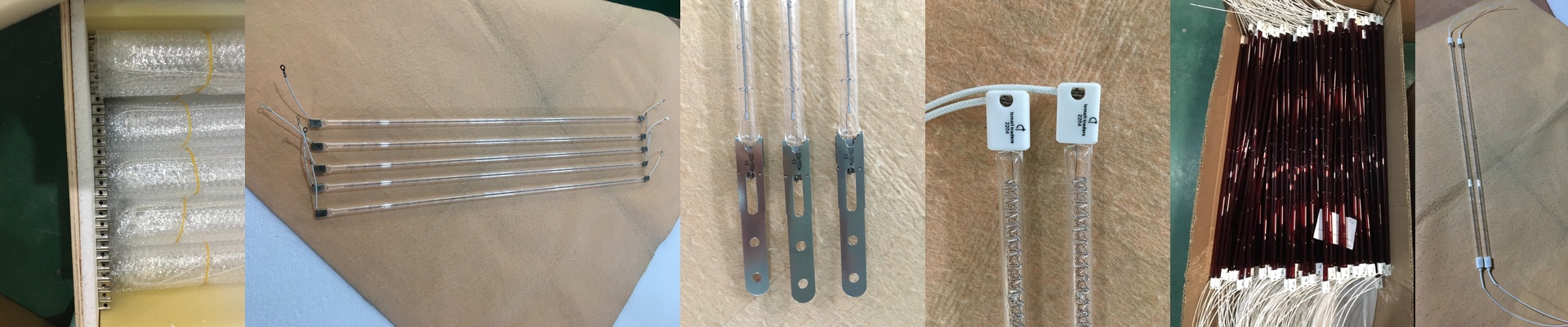
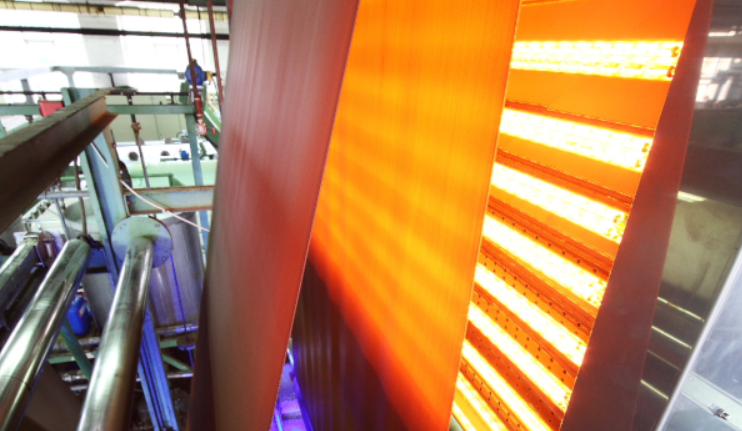
Curing textiles is a bit of a balancing act. You need enough heat to lock in those dyes and resins, but if you overdo it, you’re just scorching your fabric. It’s a fine line. That’s where we come in. We make certified infrared lamps built for high-speed production, but we don’t just throw a part in a box and ship it. We actually sit down with you to figure out the thermal load your specific machine can handle.
Let’s talk power and heat
Here is the thing: the relationship between wattage and tube length is what determines your heat density. If you put a high-wattage lamp in a short quartz tube, you’re concentrating all that energy. That means you can crank up your line speed and get more done. We’ll work with your existing power grid to make sure the voltage is a perfect match. But a word of caution. If you’re pushing for maximum power in a tight space,**keep your reflectors clean.**If they get oxidized, your efficiency tanks. Your lamps will have to run hotter just to keep up, and that’s a recipe for trouble.
The gear under the hood
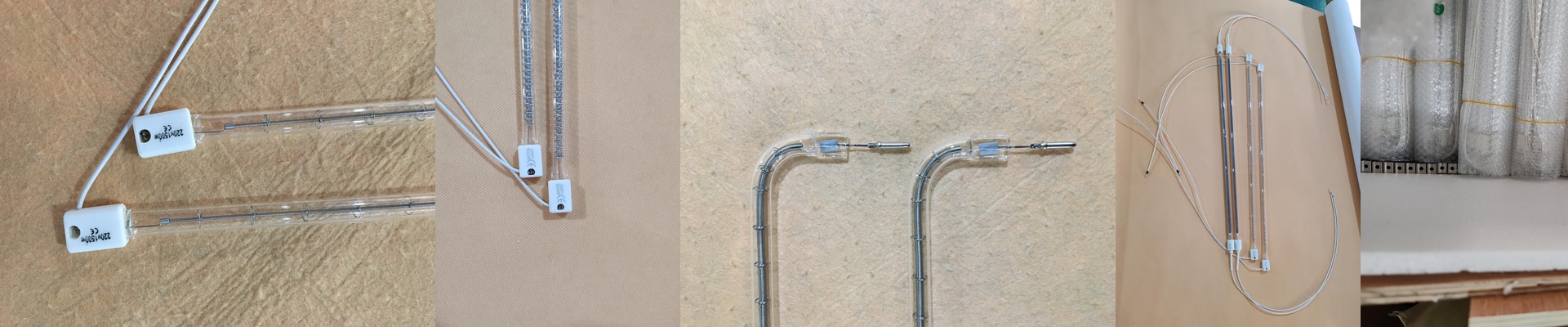
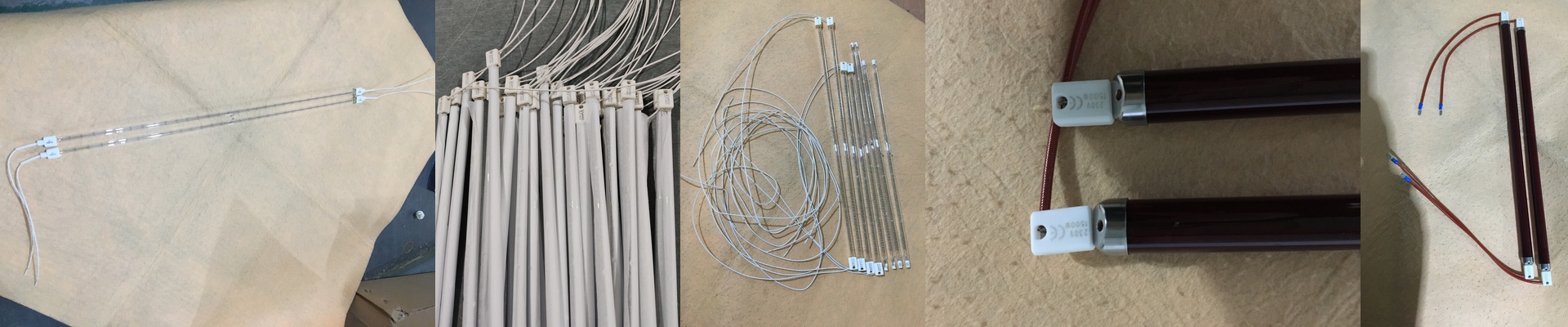
We use high-purity quartz because it doesn’t freak out when the temperature swings wildly. Depending on what you’re running, we use R7s or Sk15 connectors. They’re simple drop-in replacements for most industrial frames—no headaches there. Sometimes, though, surface heat isn’t enough. In those cases, we use coated tubes to shift the emission from shortwave to medium-wave. This helps the heat actually soak into the fibers instead of just skimming the surface.
The trade-offs you need to know
Wiring these lamps into an oven is the easy part. The real challenge is the heat. High-density lamps are great for fast curing, but they put a massive strain on your cooling blowers. If your ventilation isn’t up to the task, you’ll end up burning out the lamp ends or melting your wiring insulation. We’ll look at your current throughput, your conveyor speed, and how thick your material is. That way, we can make sure your specs actually match the reality of your shop floor.