Stop Guessing With Your IR Lamps
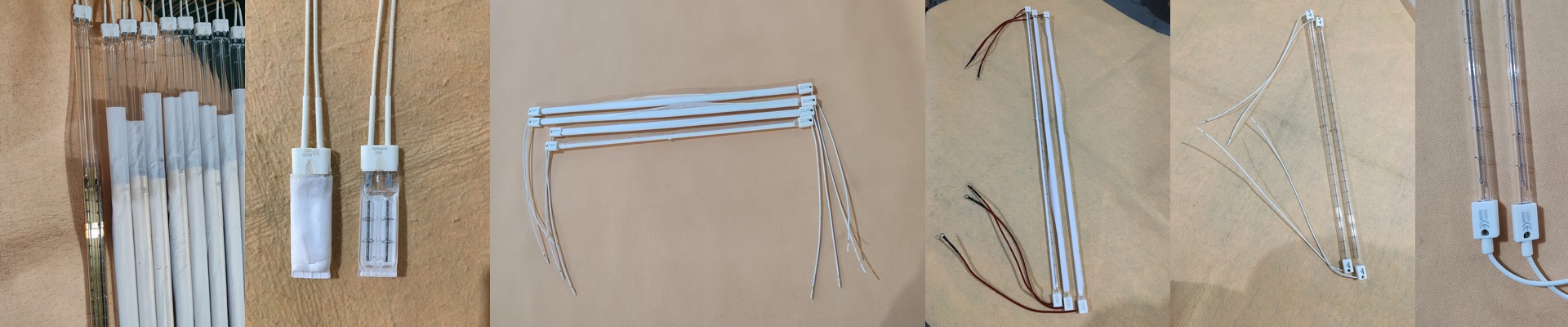
For a long time, IR tubes in textile plants were basically “dumb” parts. You’d wire them up, crank the voltage, and just pray they didn’t pop before your next scheduled maintenance break. It was a waiting game. But things are changing. We’re finally seeing lamps that actually tell us what’s going on inside them.
Moving Beyond “Set It and Forget It”
Most shops still rely on basic PID controllers. You pick a temperature, the lamp fires, and you assume everything is fine. The problem? Quartz tubes wear out. And usually, you don’t find out they’re dying until you spot a cold patch on the fabric or the whole line grinds to a halt. That’s a stressful way to run a floor. We’ve started putting sensors right into the lamp housing so the hardware can actually “talk” to you. By using current-sensing and thermal feedback, the system lets the operator know exactly when a tube is about to give up the ghost. It means you can fix thingsbeforethey break, rather than scrubbing a ruined batch of fabric.
The Hard Part (The Heat)
Now, sticking electronics next to a quartz tube that’s screaming hot isn’t exactly a walk in the park. Heat kills sensors. To get around this, we’re using shielded modules and digital protocols that can handle the electrical noise you find in a typical mill. It gives you way more precision, but it’s not a “plug and play” situation for every old machine. If you’re running an ancient analog rack, you’ll probably need to update your PLC to make it all work.
What This Actually Means for You
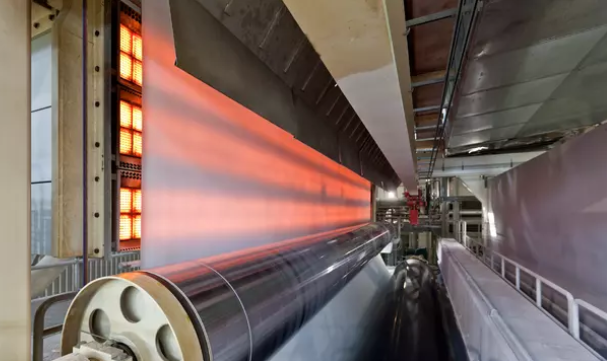
When your lamps can talk, the guesswork disappears. Imagine looking at a 100-lamp array and seeing exactly how much power each one is drawing. You can balance the heat perfectly. No more scorched edges. No more wasted electricity. It turns a part you used to just throw away into a tool that helps you run a tighter ship.