Halogen Lamp Replacement Parts: The Real Deal on Specs, Connectors, and What Actually Works
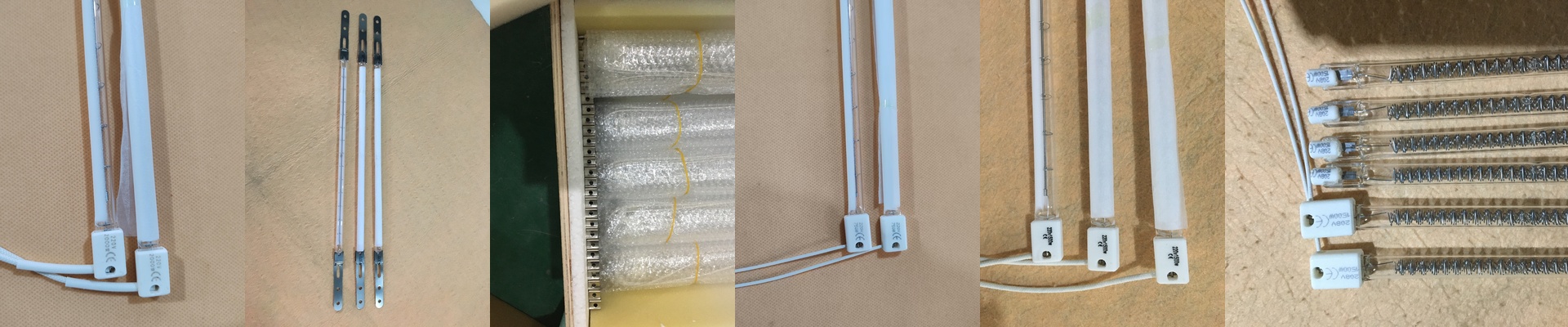
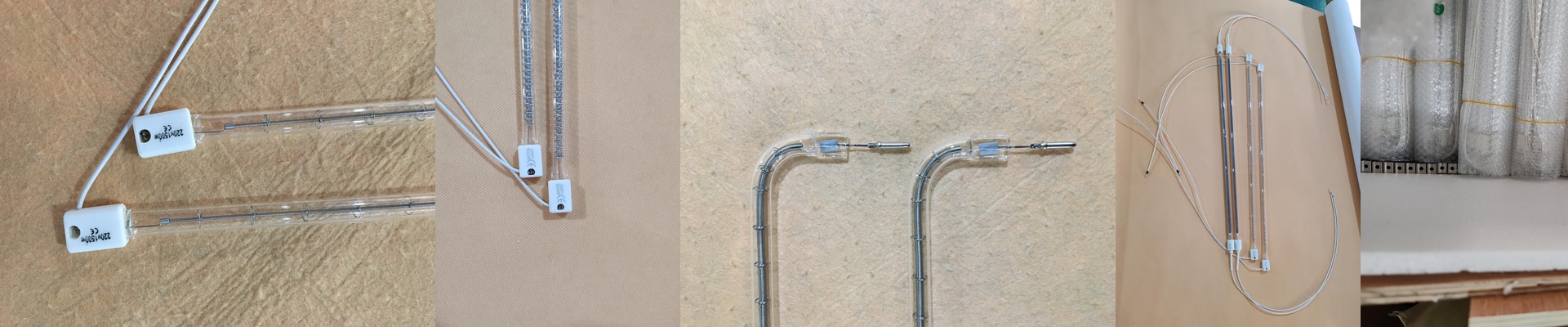
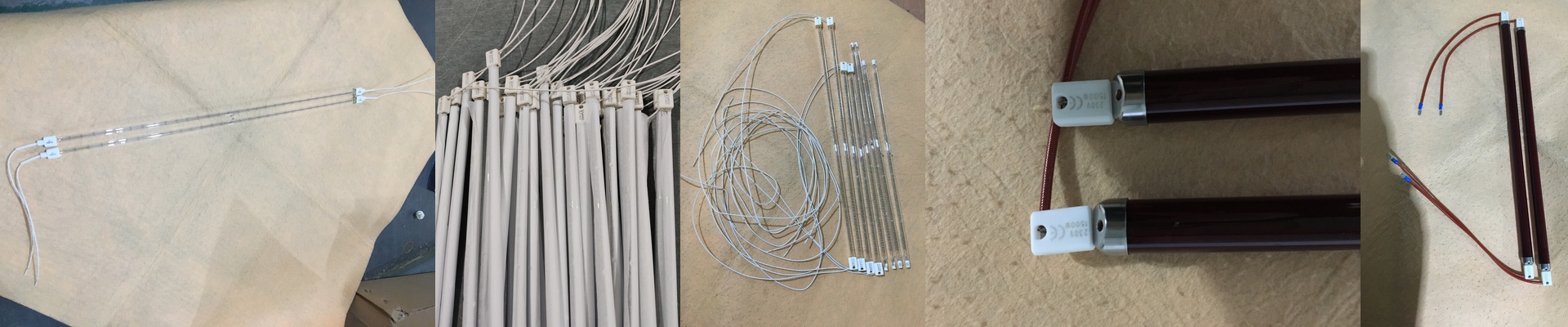
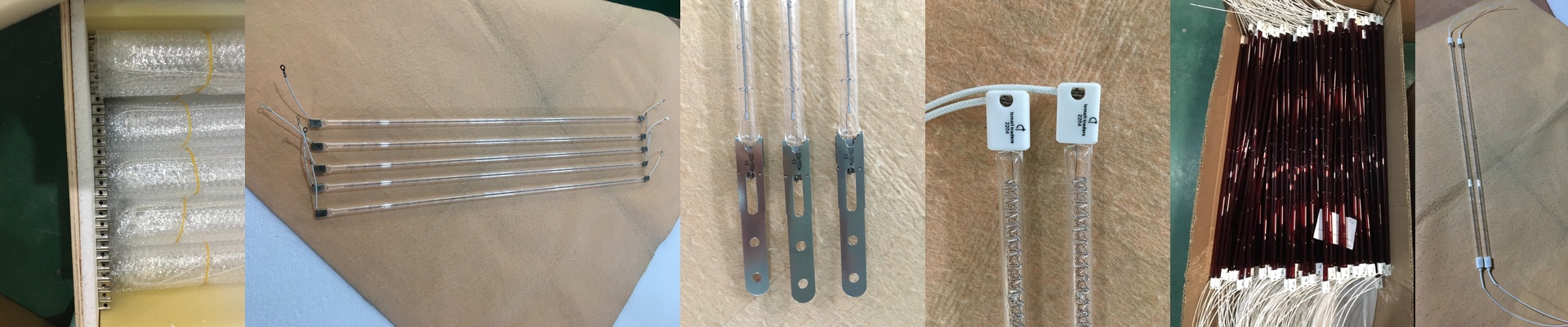
Let’s talk about halogen lamp replacement parts. These are built for industrial heating systems—the kind of setups that need heat, fast, and exactly where you point it. We design them to drop straight into your existing fixtures. So when a tube burns out, you’re not stuck with a production halt. You swap it in, and you’re back up and running. Quickly.
Power, Voltage, and Size—What Makes Them Tick
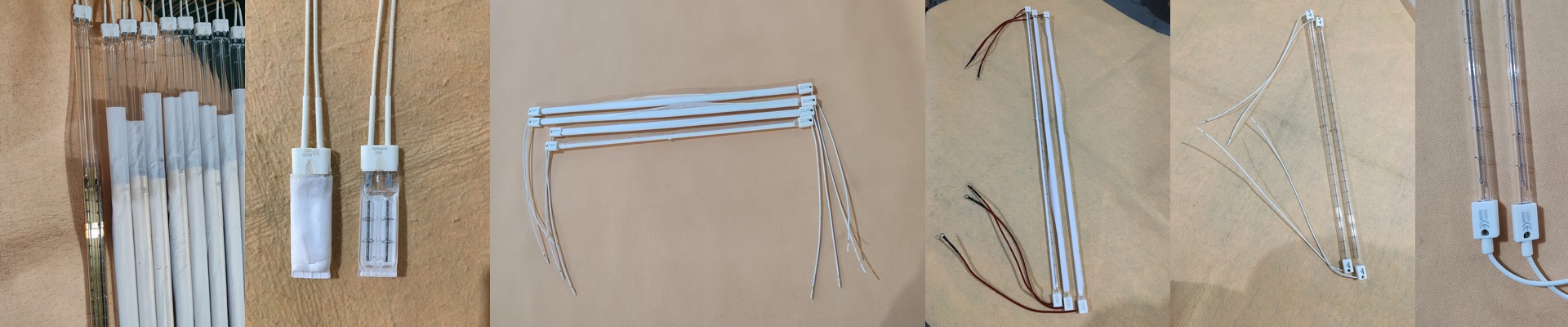
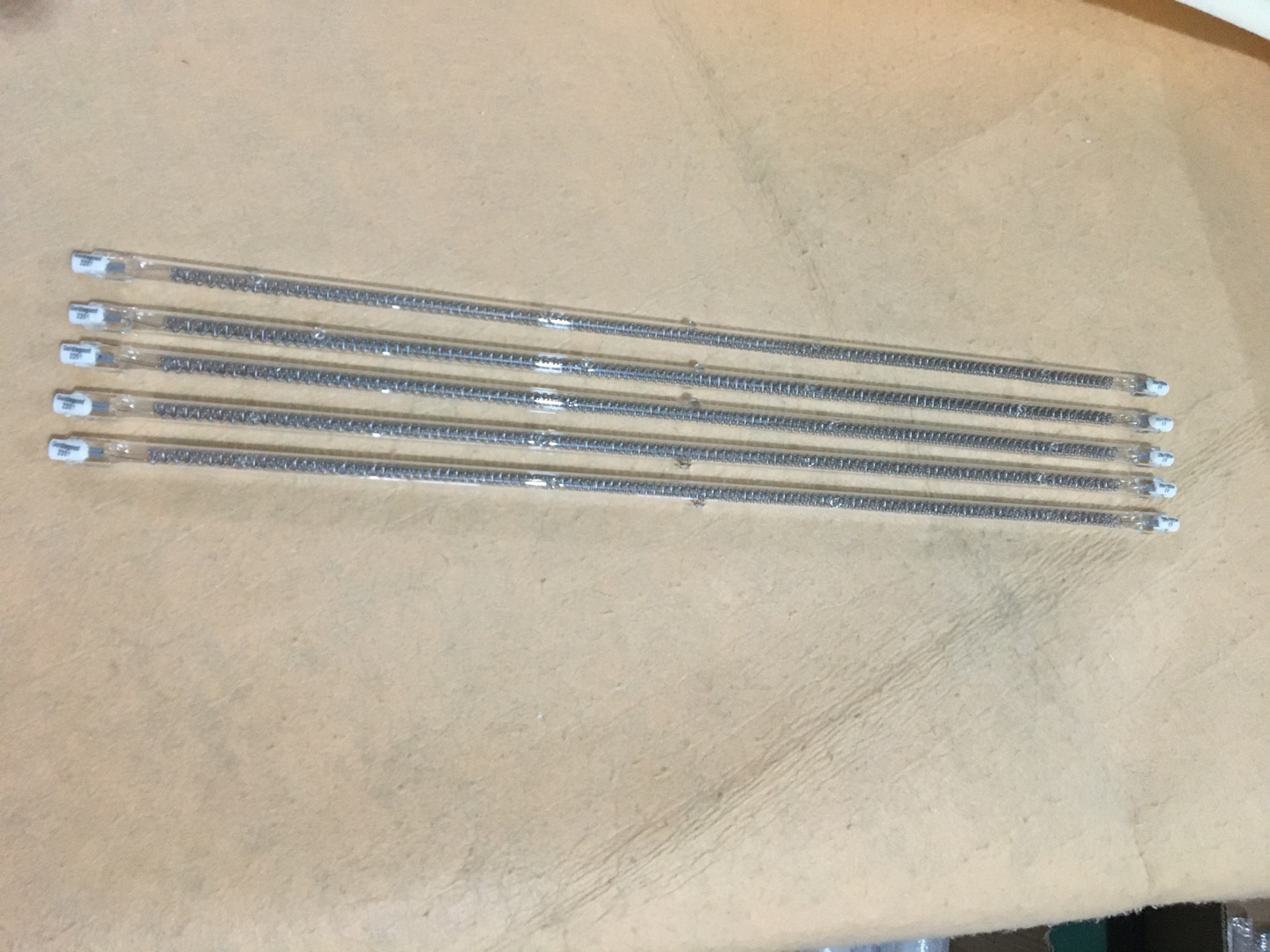
Here’s the thing about halogen heating lamps: the specs are precise. Most run at high voltage, often 400V. Why? Because stepping up the voltage means you can push the same power through a thinner filament. And that thin filament? It gets scorching hot—exactly what you want for rapid infrared heat. You’ll usually see them rated around 2500W. That wattage packs a lot of heat into a small space, giving you high heat density without taking up room. Physically, a 300mm tube length is the norm because it matches the heating zone width in many machines. The 10mm diameter keeps the whole thing compact. You get a lot of heat from a short, narrow envelope. But that also means the lamp runs seriously hot. So your machine has to be set up to handle it—good airflow, proper thermal management, and stable voltage.
What They’re Built From: Quartz, Coatings, and the Right Connectors
The tube itself is quartz, not regular glass. Quartz can take the heat—and handles the shock of startup without cracking. Inside, the halogen gas fill makes the tungsten re-halogen cycle work. That cycle helps reduce blackening and keeps output steady over the life of the lamp. Many versions also use an internal reflector coating. It directs more infrared energy forward, so more heat hits the target and less is wasted to the sides. And connectors matter just as much as the tube. You’ll often see R7s and Sk15 used. They’re chosen because they carry high current safely and give you the right end-to-end spacing for 300mm tubes. The contacts are built to survive repeated heating and cooling. But they still need clean mating surfaces. If the contact is dirty or oxidized, you get voltage drop and uneven heating—nobody wants that.
Where They Shine: Fast Heat, Right Where You Need It
These lamps are made for industrial work that demands fast response and concentrated heat—think PET blowing, thermoforming, and plastic welding. The high heat density means you can heat a small zone quickly, which helps you keep cycle times moving. And because they’re drop-in replacements, the dimensions and connectors are matched so you can swap out a burnt lamp without rewiring the machine. The trade-off is real: you get intense heat in a small package. That means your surrounding system has to be ready for it—clearance, cooling, and stable voltage. When it’s set up right, it just works. You feel that reliability when the machine keeps running, and the only time you notice the lamp is when it’s time to replace it—quickly and without drama.