Why We Build These Lamps
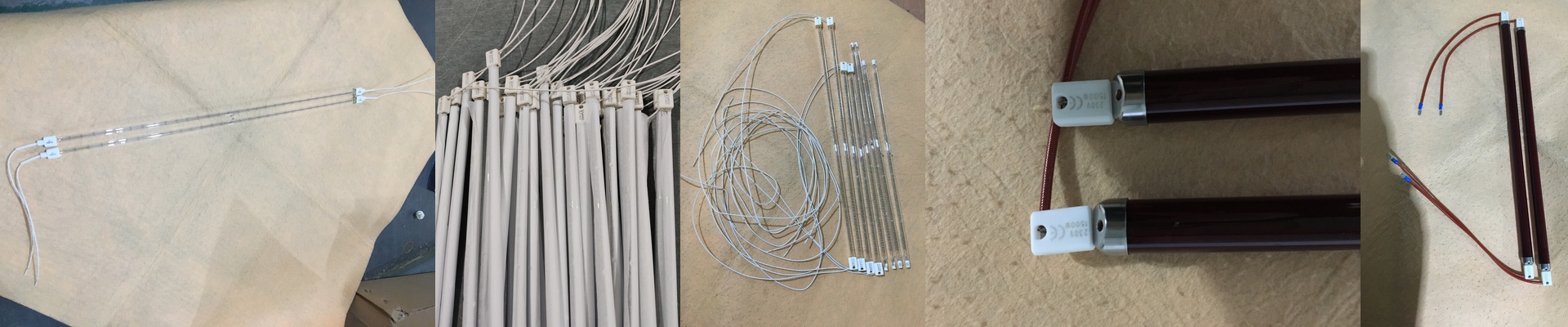
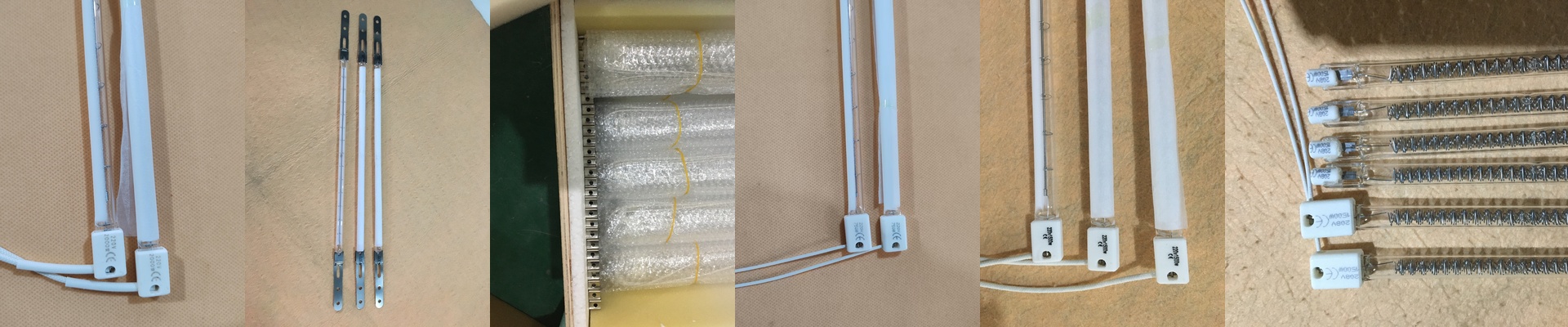
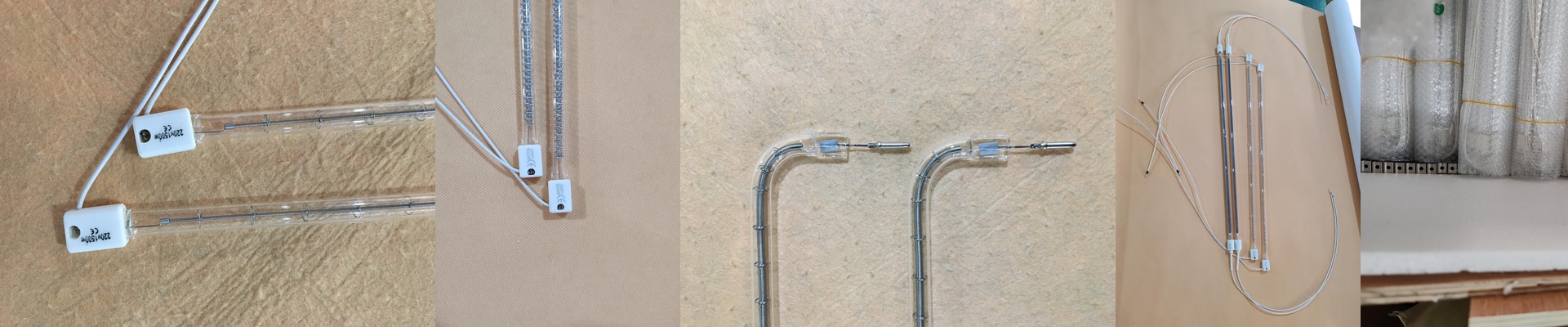
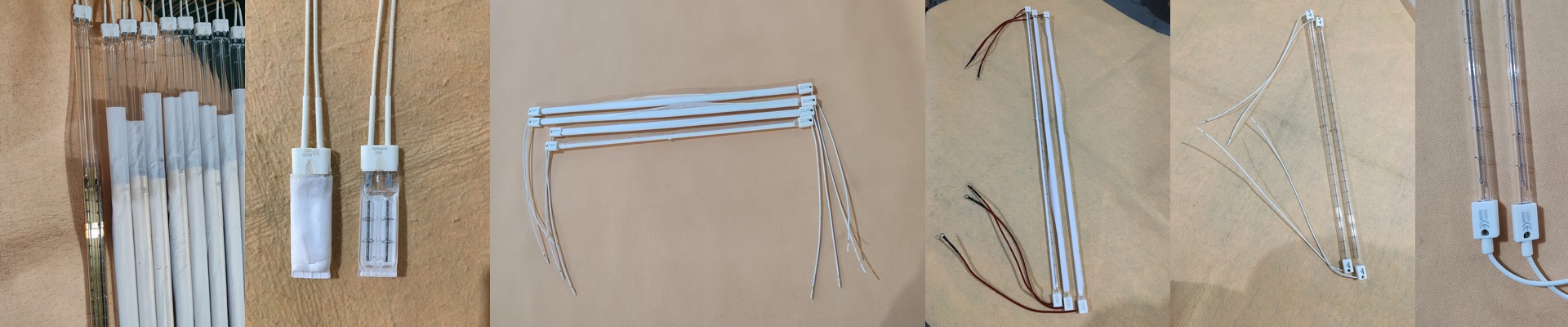
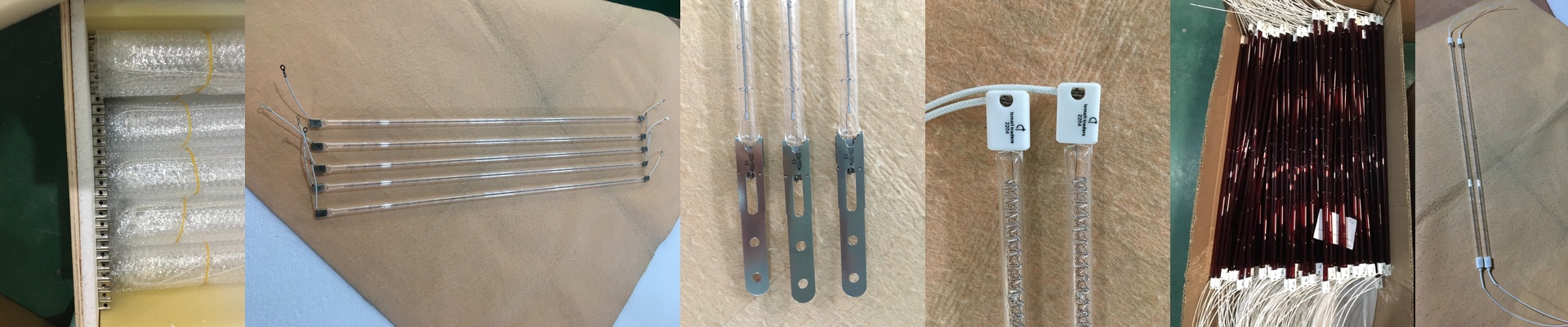
We make halogen reflector lamps for one simple reason: to give you heat that’s intense, controllable, and aimed exactly where you need it. Inside, you’ve got a high-wattage halogen capsule paired with a precision reflector. Together, they focus infrared energy into a tight spot. The payoff? A compact heat source that fits cleanly into automated lines—especially for plastic processing, sealing, and drying.
Power, Voltage, and Fit: The Real-World Details
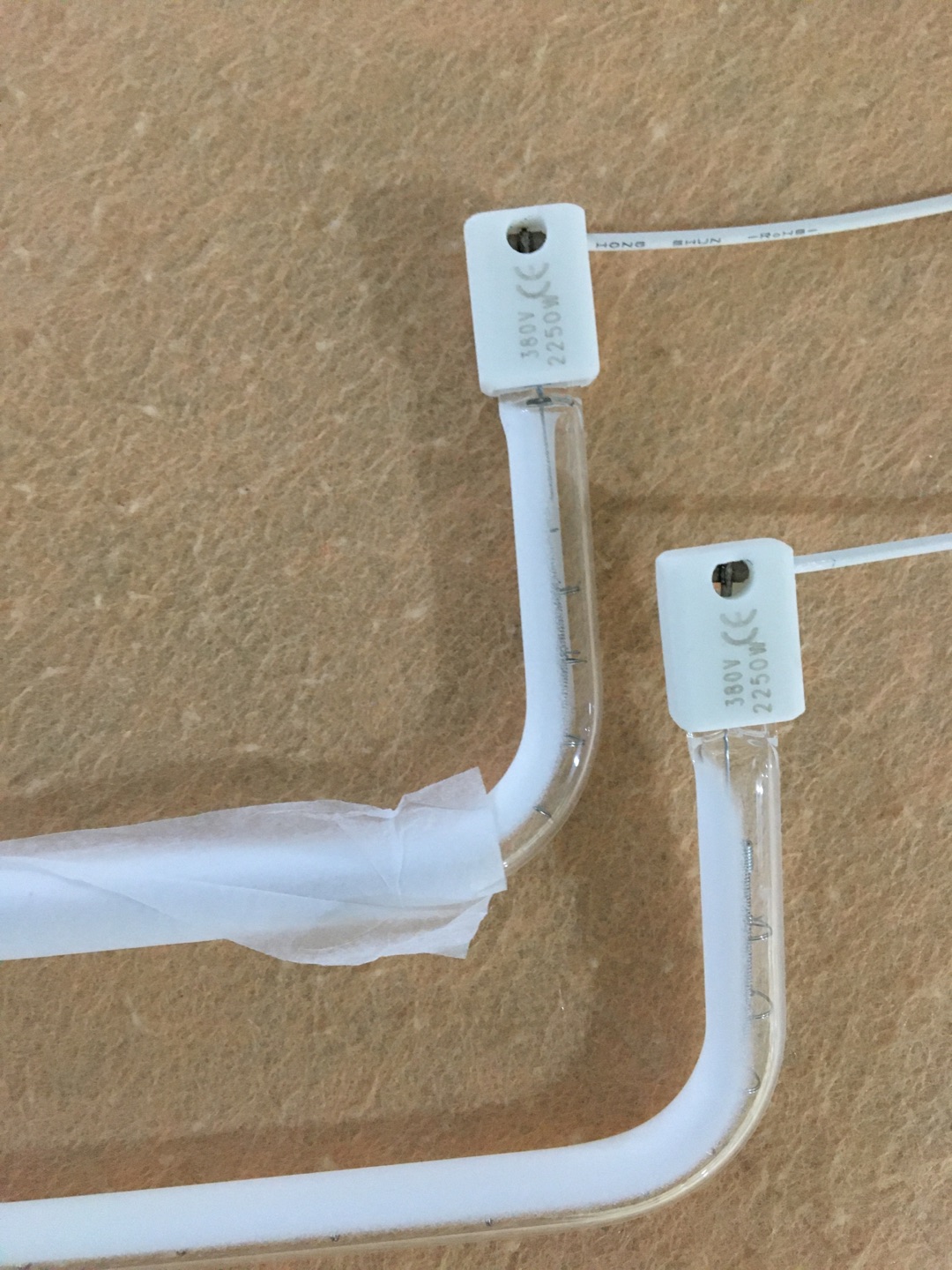
These lamps are rated by wattage and voltage, so you can match them to your control circuit and thermal load. Industrial setups commonly run from150W up to 2500W, with230V and 400Voptions. Here’s a practical point: when your line runs long cable lengths,400V is often the smarter pick. Same power, lower current. That means smaller conductors and less voltage drop at the terminal block. And size matters because the lamp has to sit inside a reflector housing without interfering with moving parts. For mid-range wattages, tube lengths are typically around300mm—enough emitting surface to do the job, without taking up a ton of space. Just be ready: a2500W, 400V, 300mmlamp packs serious heat density. Plan for airflow or heat sinking. The area around it will warm up, and nearby components will feel it.
What’s Inside: Quartz, Coating, and Connections
The envelope is quartz. It handles the searing filament temperatures and takes the thermal shock of quick on/off cycles without complaining. Halogen chemistry inside keeps the filament clean, which helps the output stay steady over the lamp’s life. Then there’s the reflector. It’s formed and coated to shape the beam. Adichroic coatingreflects visible light while letting infrared pass through—so more energy goes into heating the target, not lighting up the machine. The reflector geometry also sets the spot size and intensity, so you can match the heat pattern to the part you’re working on. Connectors are chosen for the shop floor, not the boardroom. TheR7s baseis a common two-pin linear fit that locks into ceramic holders and carries current reliably. In some compact or high-wattage setups, you might seeSK15 terminals. Either way, they’re built to live near the heat and keep wiring straightforward.
Where They Shine (and What to Keep in Mind)
These lamps are at home wherever you need fast, localized heating—thinkPET blowing preheat, plastic welding, adhesive curing, and coating drying. The focused infrared output heats the surface quickly, without turning the whole machine into a sauna. Installation is simple: match the voltage, confirm the clearance, wire it up, and set the distance to hit the heat flux you need. The trade-off is honest. High power density gives you speed, but it also means you need thoughtful thermal management around the enclosure. Match the lamp to the voltage, the reflector to the spot pattern, and the mounting to the heat path—and the system runs the way you want it to.