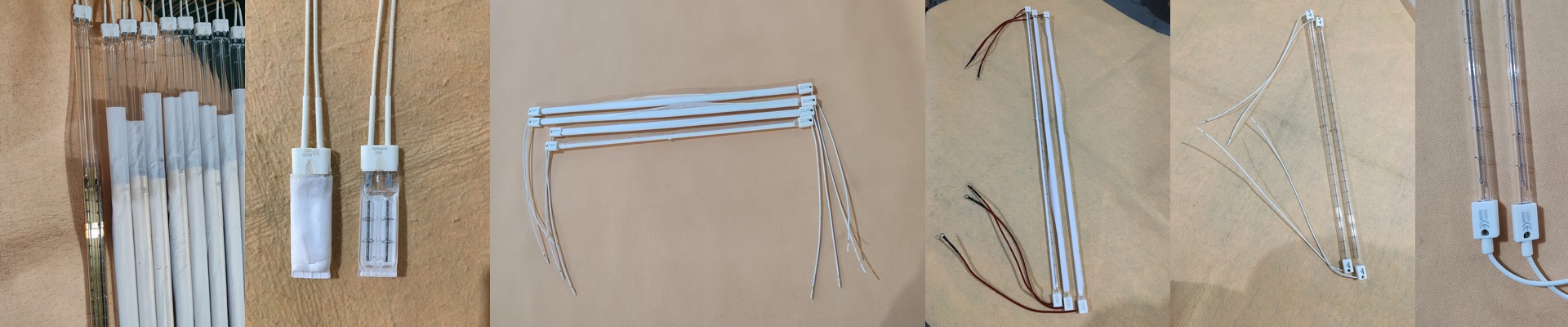
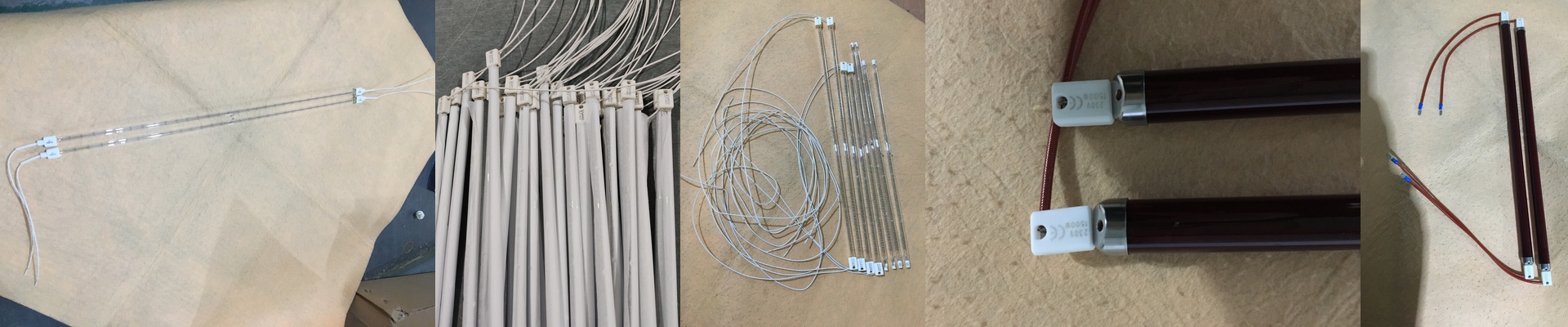
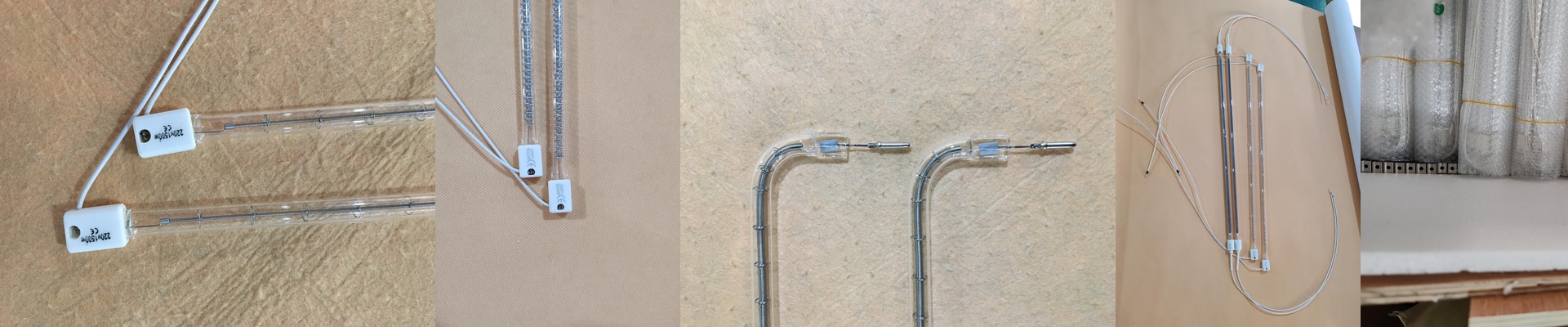
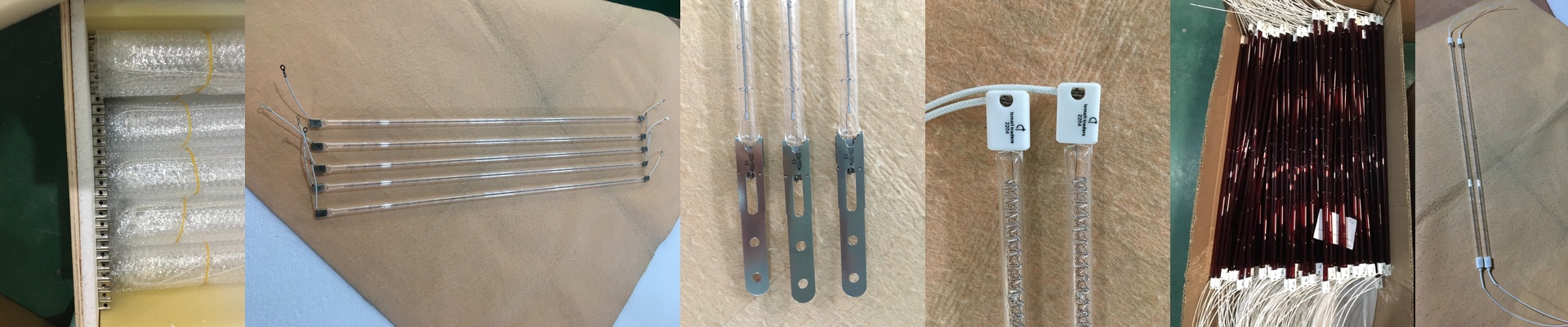
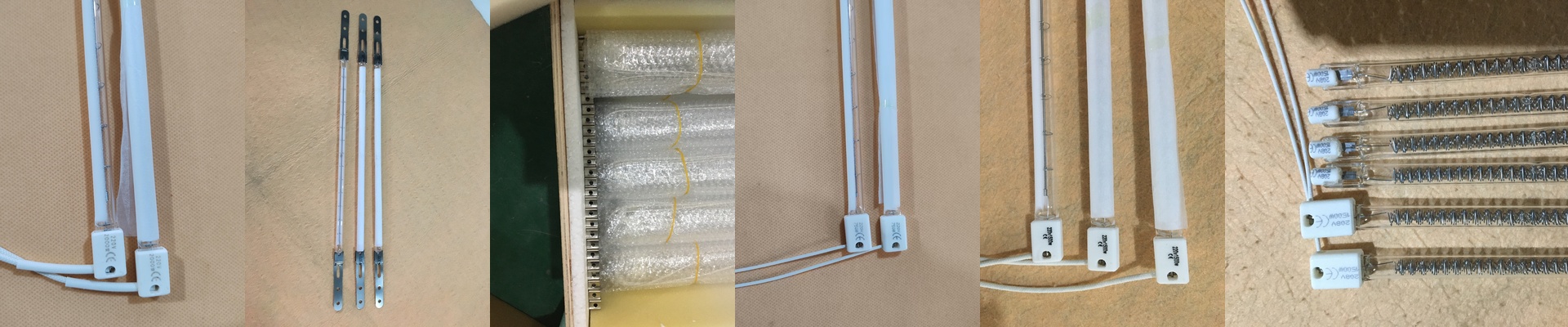
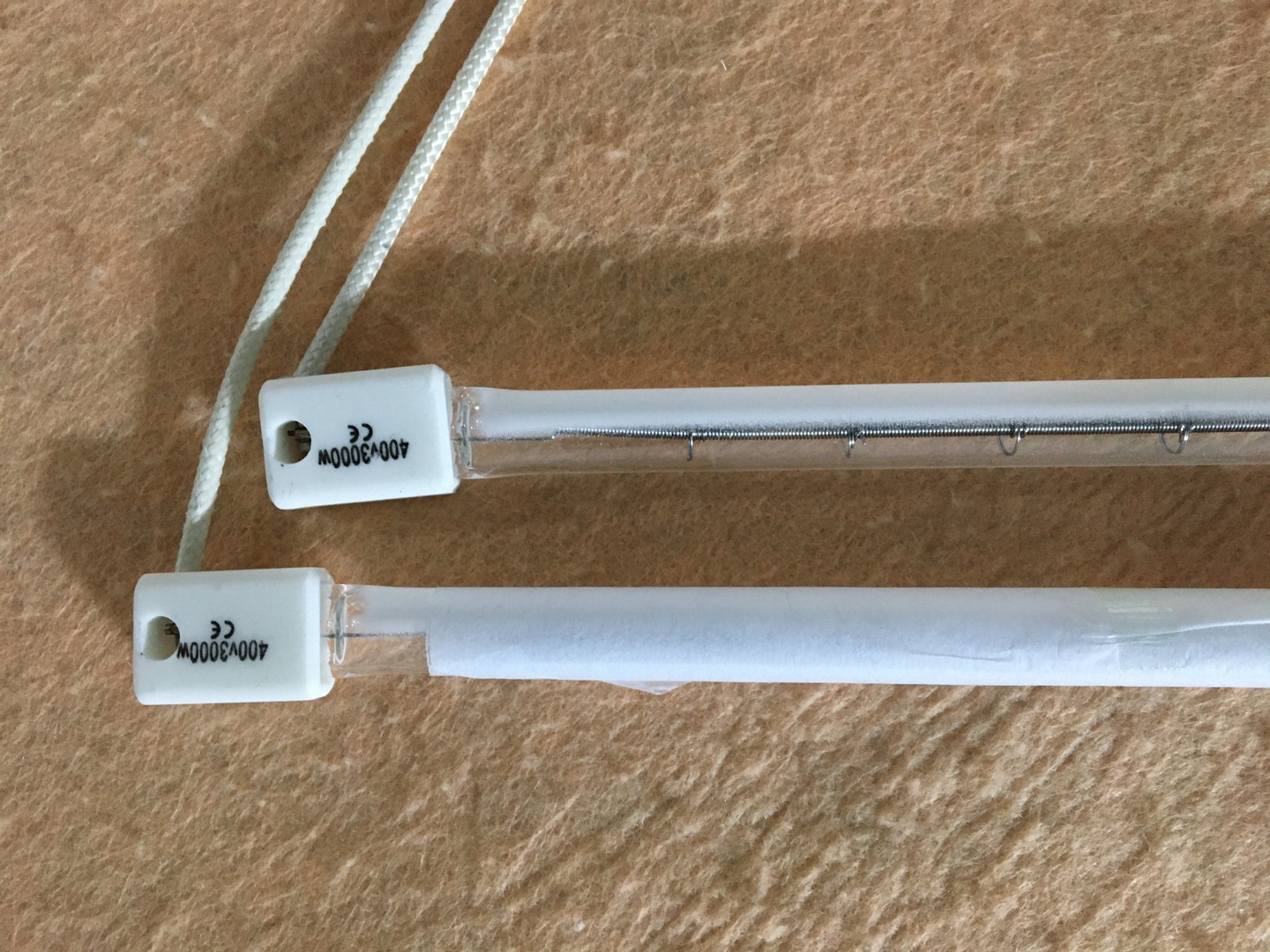
We built this 2000W halogen lamp to be the tough, no-fuss replacement for industrial heating jobs that won’t bend. It throws a hard-hitting point of heat you can focus tight on the workpiece, so you get the temperature up fast—without turning the whole machine bay into a sauna. Here’s the thing about the 2000W rating: it isn’t random. It’s exactly the power needed to pack enough heat density into quick-cycle work—like forming plastics, sealing, or drying parts. That wattage pushes the filament to a scorching point, blasting out infrared energy that shortens cycle time and keeps output moving. Voltage is chosen to match the job. You can spec these for standard 230V/240V setups, or go with higher-voltage configurations. Step up the voltage, and the current drops for the same wattage. That means less loss along the line and the freedom to run thinner cables. The trade-off is that the base and socket need stricter dielectric protection. And physically, the lamp is sized to drop right into the heater block or reflector assembly—tube length sets the focal distance and the size of the heated zone. At the heart is a quartz envelope, because it can take the filament temperature and stays clear to the infrared wavelengths you need. The halogen fill gas makes the halogen cycle work: tungsten that evaporates from the filament redeposits on the hot quartz instead of blackening the tube. So the light and heat stay steady over the life of the lamp. The R7s base is a workhorse connector you can trust on the floor. It gives a solid, low-resistance electrical contact that holds up to repeated installs and removals. The bipin design locks the lamp in place, so vibration won’t shake it loose and kill the filament early. Out in the real world, this 2000W halogen lamp delivers predictable heat exactly where you aim it. It fires up instantly—no warm-up—and the compact size slips into tight tooling. For engineers, that means cleaner machine layouts and quicker lamp swaps when it’s time. But there’s a side to watch: thermal management. A 2000W source throws off a lot of radiant and conducted heat. The reflector, airflow, and heat shielding have to be properly matched to protect nearby components and keep the lamp running within its ratings. When everything lines up, you get repeatable, controllable heat—day after day, shift after shift.