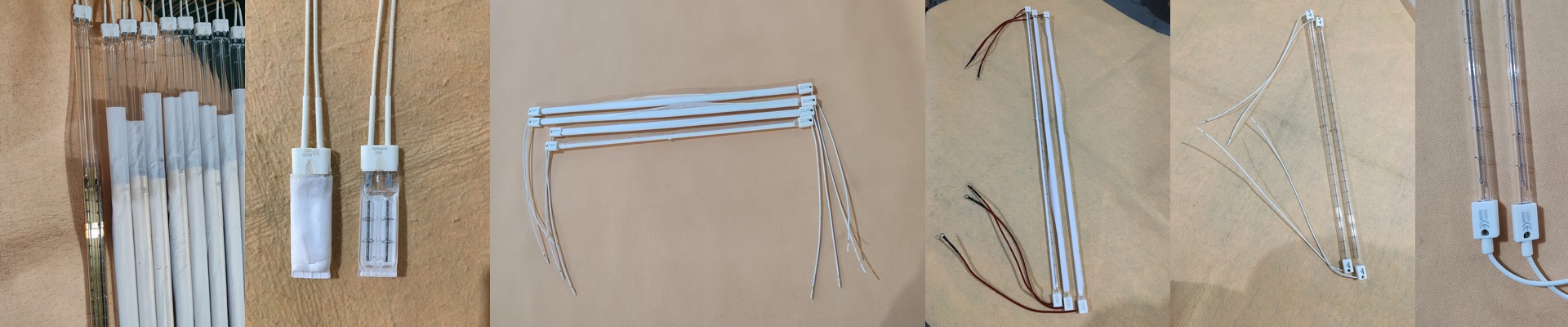
Introduction
We build power supplies for halogen lamps in industrial heating systems—the kind of jobs where you can’t afford to wait around. You need heat that shows up the second you call for it, and that sticks exactly where you point it. These units drive shortwave infrared halogen lamps, giving you tight control over temperature when your process has to heat up fast and stay perfectly steady. The result? A compact heat source that turns on instantly, and whose output follows your control signal cleanly—no fuss, no lag.
The Power Behind the Heat
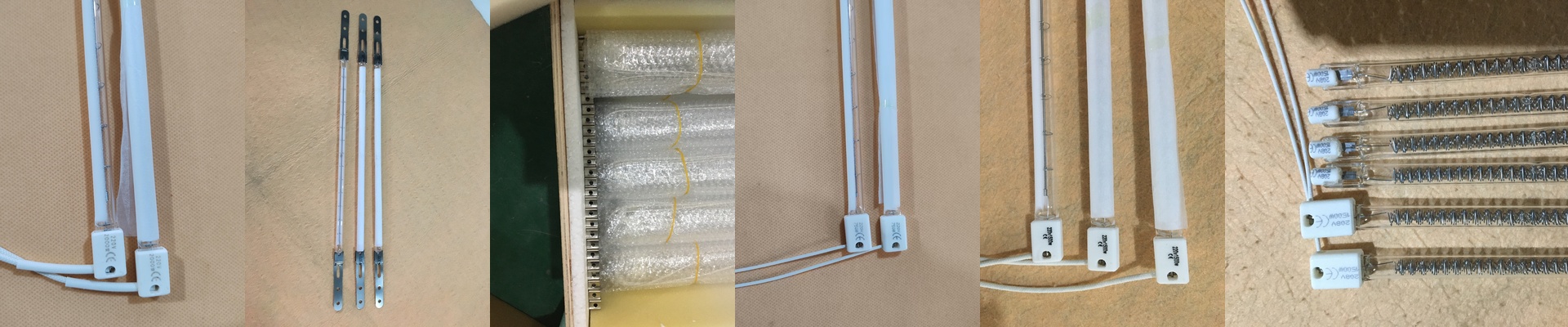
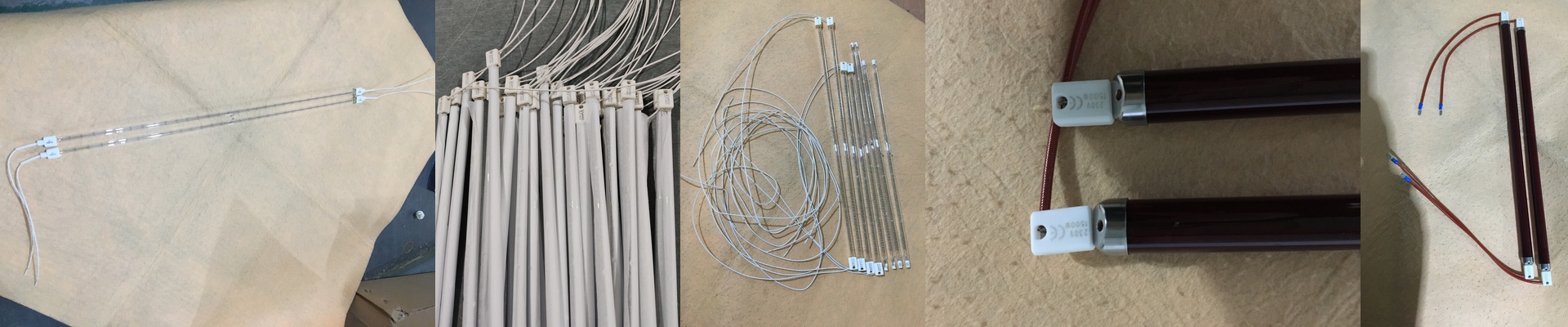
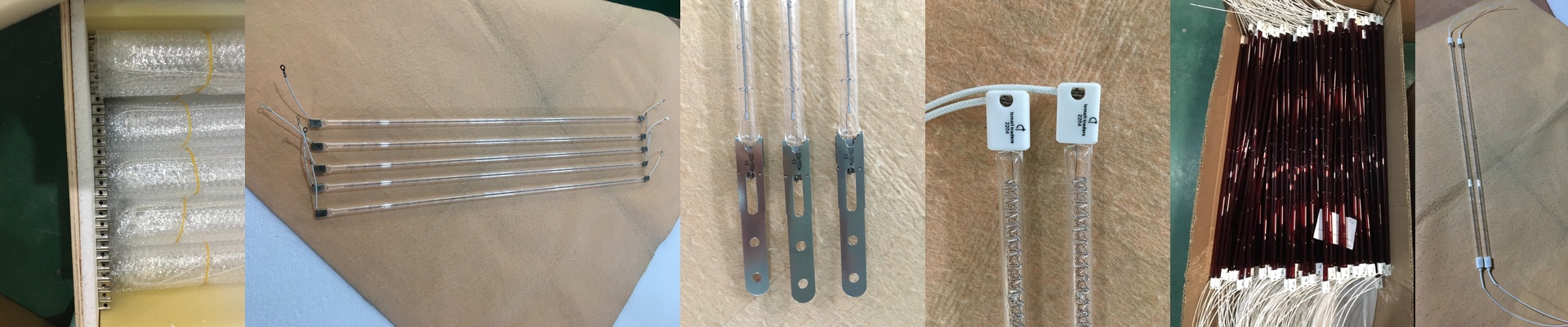
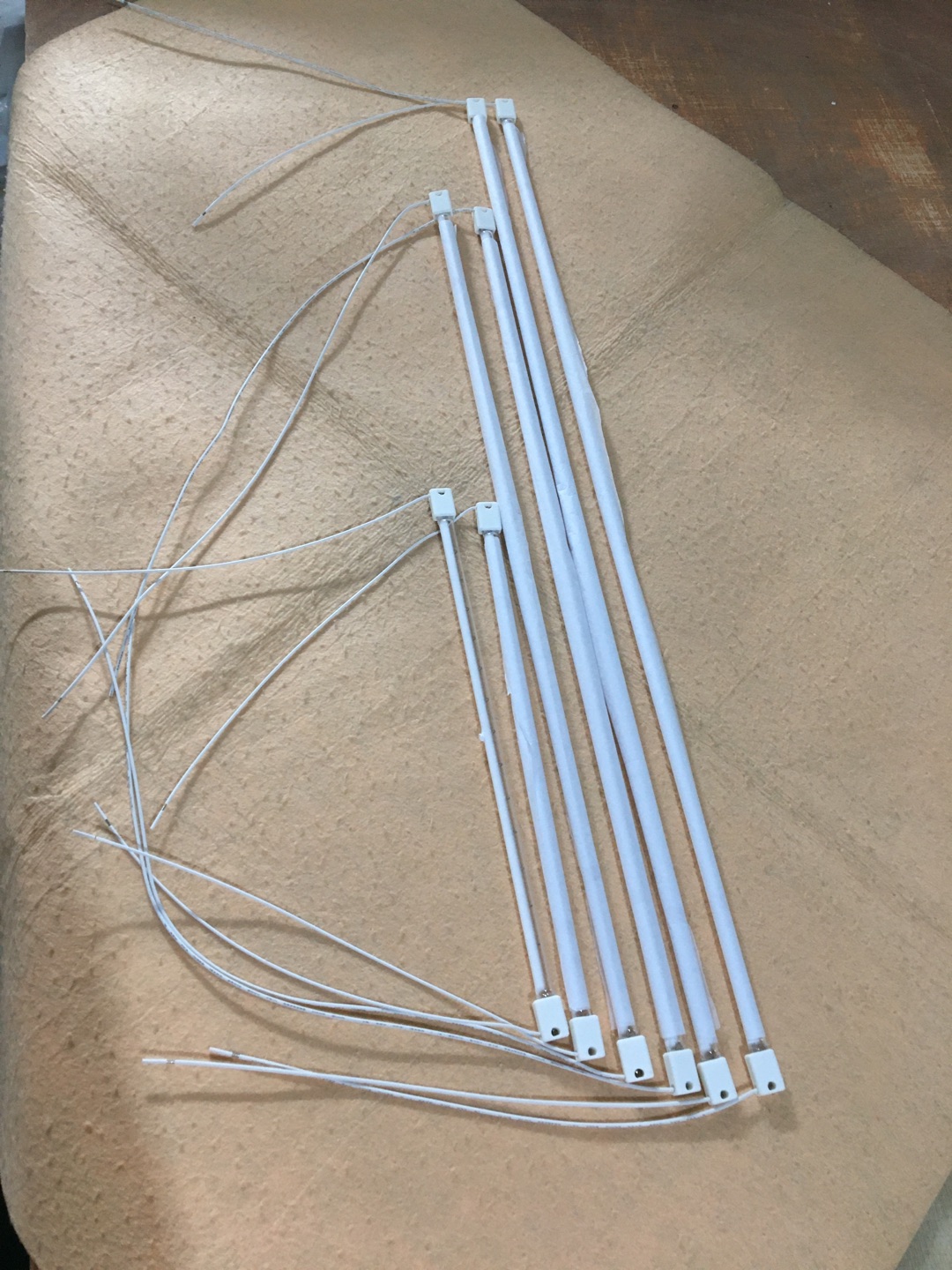
Here’s the thing: these power supplies are sized around what the lamp can actually handle—electrically and thermally. A common setup is a 400V input that delivers around 2500W into a 300mm tube. Why 400V? It lets you push a lot of power through a small cross-section without overloading the wiring, so you get a serious amount of heat packed into a tight space. And that 300mm length? It focuses all that energy into a predictable hot zone, exactly where you need it. That’s perfect when you want intense heat in a small footprint. But it also means the power supply has to be smart about inrush current and stay stable even when the line conditions shift.
Built to Take the Heat
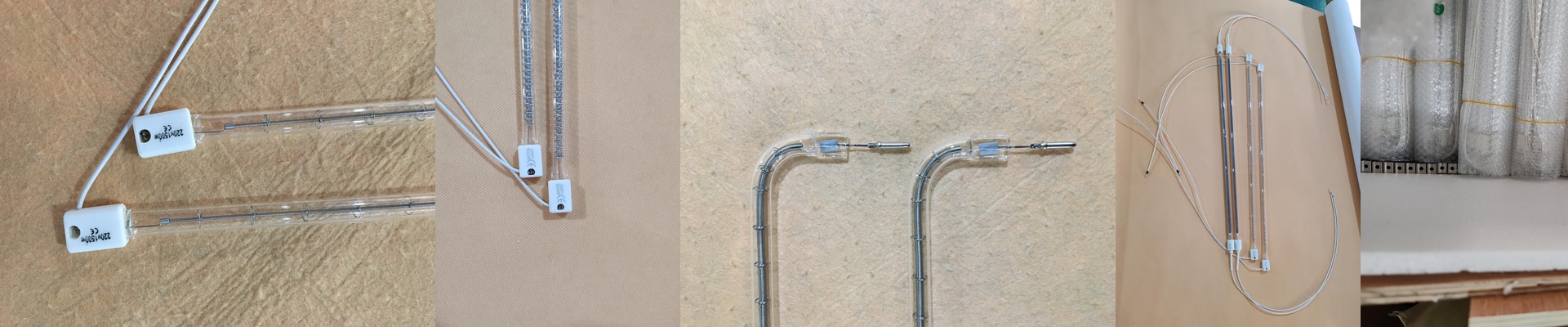
Inside every halogen lamp is a tungsten filament, sealed in a quartz envelope with a halogen gas mix. That gas is doing the quiet, steady work of keeping the filament stable through the halogen cycle—catching evaporated tungsten and putting it back where it belongs. That cycle reduces blackening and helps the lamp last longer than a regular incandescent. And the quartz envelope? It can handle the extreme filament temperature without softening, so the lamp can run at very high brightness and heat without blinking. Many lamps also have a reflective coating on the back half, which redirects infrared energy forward. More usable power hits the target. Less wasted heat goes toward the fixture.
Connectors That Stay Put
For industrial work, the little details matter. The lamps use R7s or Sk15 bi-pin connectors that lock in place and handle high current without getting loose. That makes replacement easier, and it keeps resistance low at the terminals—so you don’t end up with hot spots where the connection meets the lamp.
Where This Shines—Literally
In the real world, this setup is the go-to for jobs like PET blowing, thermoforming, and component drying—anything that needs fast, controllable heat with almost no warm-up delay. But there’s a trade-off: you’re packing a lot of thermal energy into a small space. A 2500W, 300mm lamp delivers intense heat, so your machine needs proper cooling and thermal shielding to keep nearby components safe and cool.