Halogen Tube Heaters: The Industrial Heat Hack for Tight Spaces
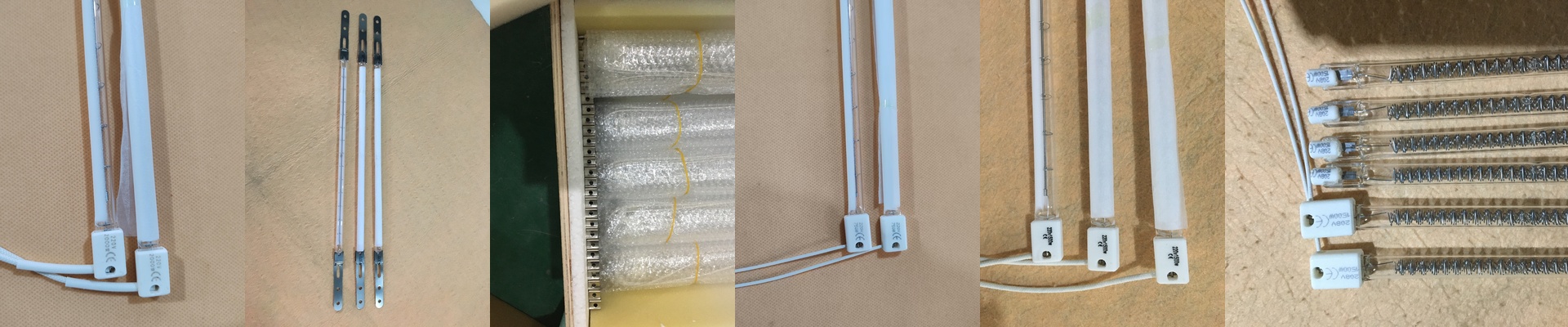
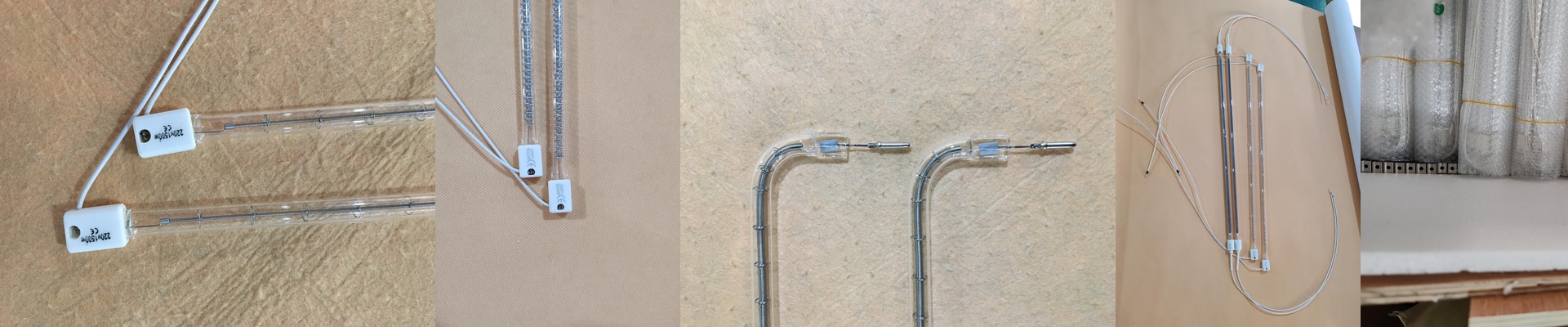
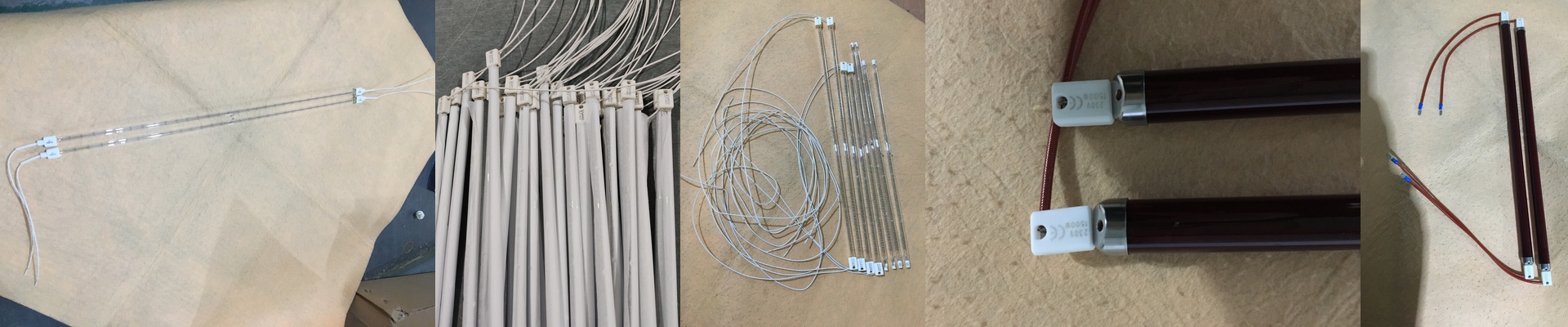
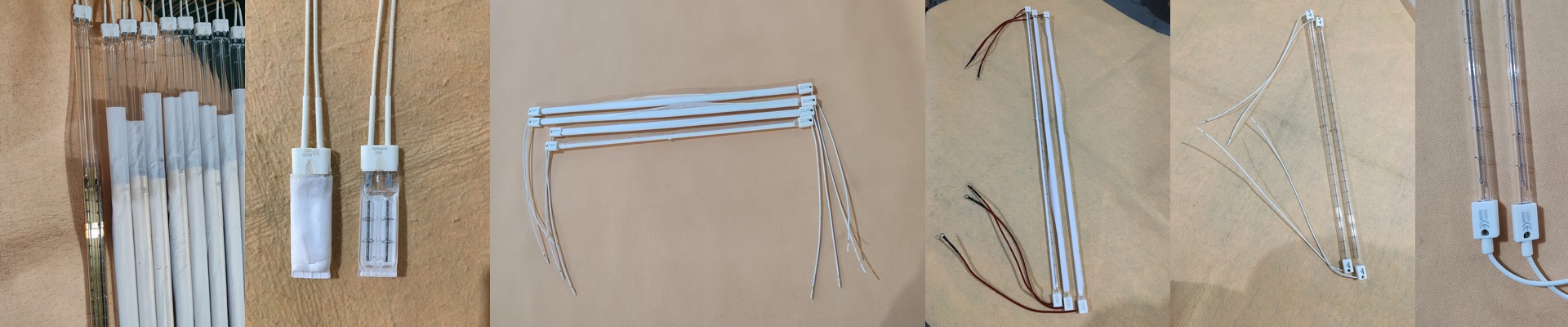
We built these halogen tube heaters for one simple reason: to give you intense, controllable heat when you’re squeezed for space. Forget the standard quartz lamps you’re used to. These are shortwave infrared workhorses, designed to fire up fast and pack a serious punch in a tiny footprint.
Let’s Talk Power: It’s All About the Specs
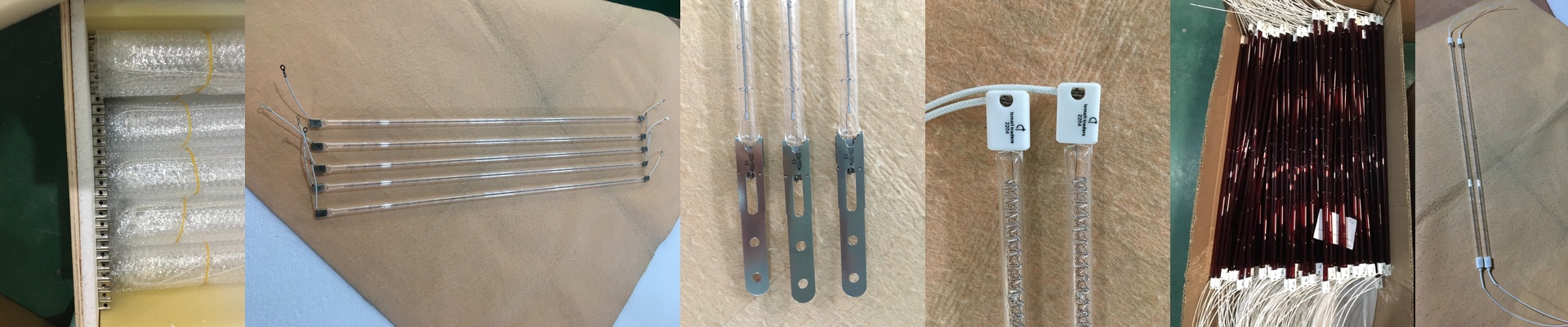
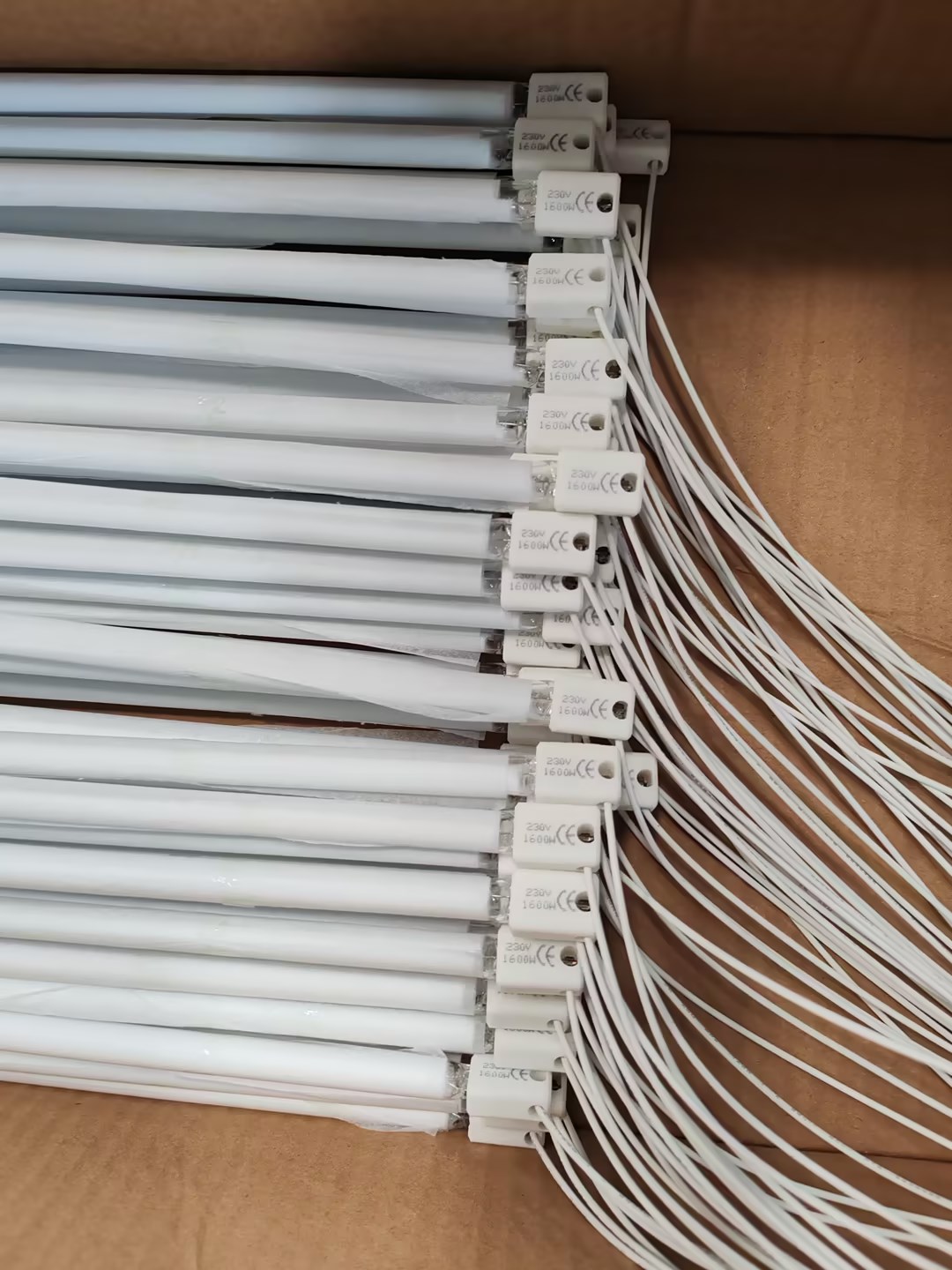
Here’s the thing about these heaters. They run hard. A typical model will hit either 400V or 230V, cranking out 2500W to 3000W from a tube that’s only 300mm or 450mm long. That’s not by accident. Packing that much voltage into a short quartz tube forces the current density way up. The result? A ridiculous amount of heat coming from a small surface area. You get to match the wattage and length to exactly what you need. Need to scorch a small spot, fast? Go short and high-wattage. Heating a longer path? Step up the length and adjust the power to match.
The Inside Story: Built to Take a Beating
The tube itself is quartz. Why? Because it can handle the shock of going from cold to scorching hot without cracking. Inside, the halogen cycle keeps the filament clean, which means a longer life and steady, reliable output. Plus, many versions have a reflective coating on the back half. It acts like a spotlight, throwing all the energy forward where you need it and wasting less heat backward. And those connectors? Usually R7s or Sk15. These are industrial-grade terminals made for serious current and heat. They lock in tight, stand up to the heat radiating back from the lamp, and let you wire everything up quickly. No more worrying about a loose connection burning out on you.
Where They Shine: Fast, Focused, and Fearless
These heaters are the go-to when you need heat that’s fast, focused, and fits in a small space. Think PET blowing, thermoforming, plastic welding—any job where you need to heat the surface fast without turning the whole machine into a furnace. The shortwave output hits the material instantly, and the on/off response is almost instant. That means you keep tight control over the temperature. But here’s the catch: all that heat density needs proper cooling. Give the lamp a solid cooling path and keep the surrounding air in check, and it will run hard, cycle fast, and hold its performance shift after shift. This thing is a drop-in workhorse. It’s built for the grind.