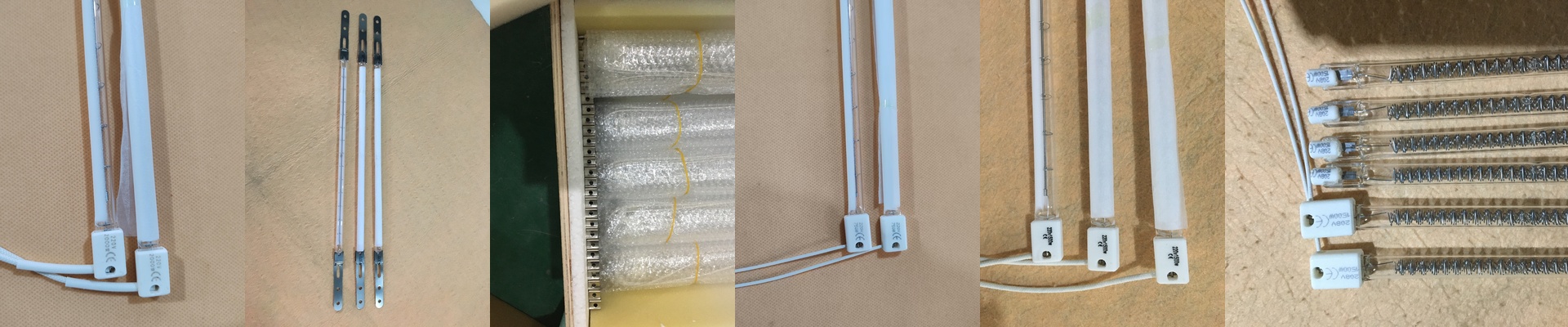
Getting Your Convection Oven Back Up to Speed
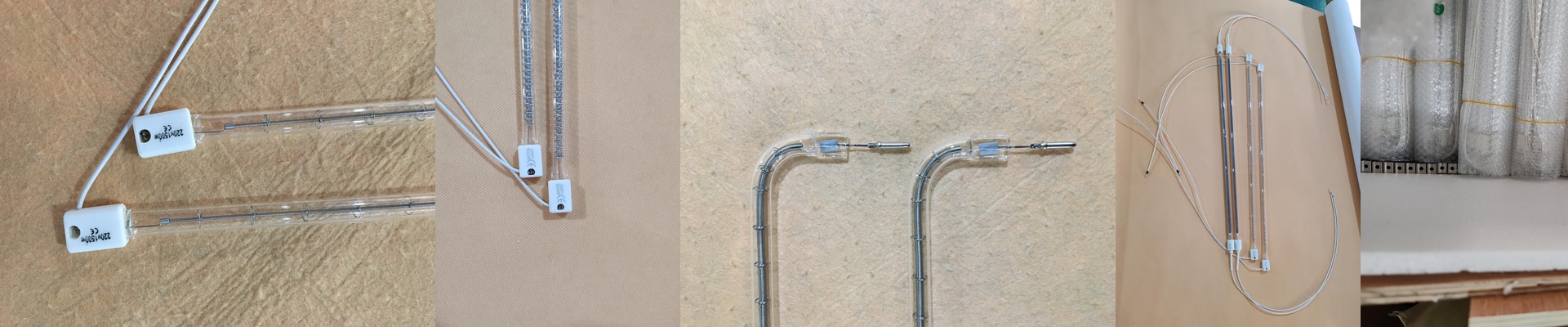
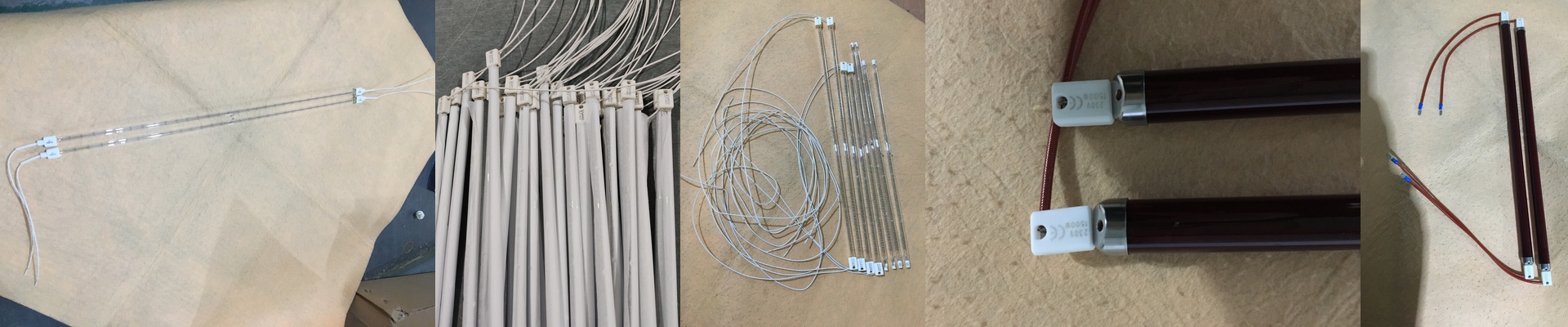
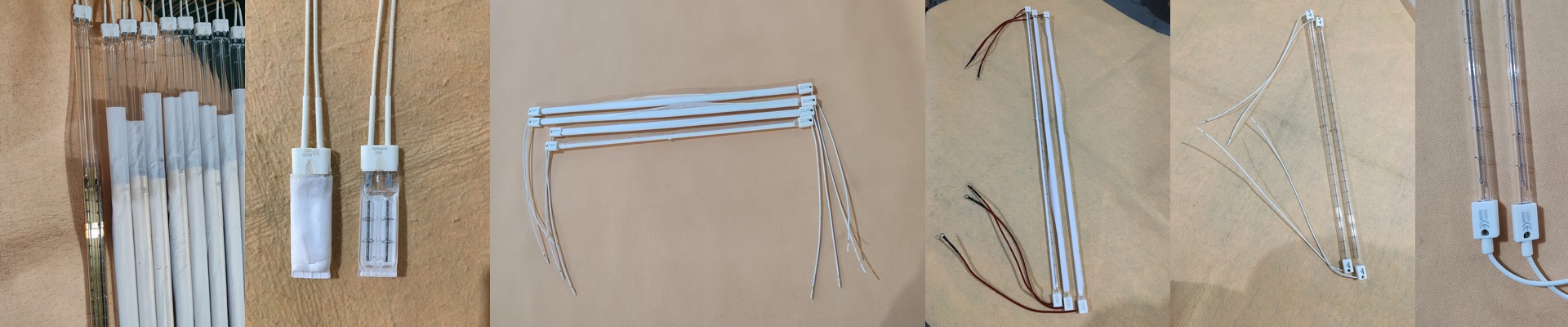
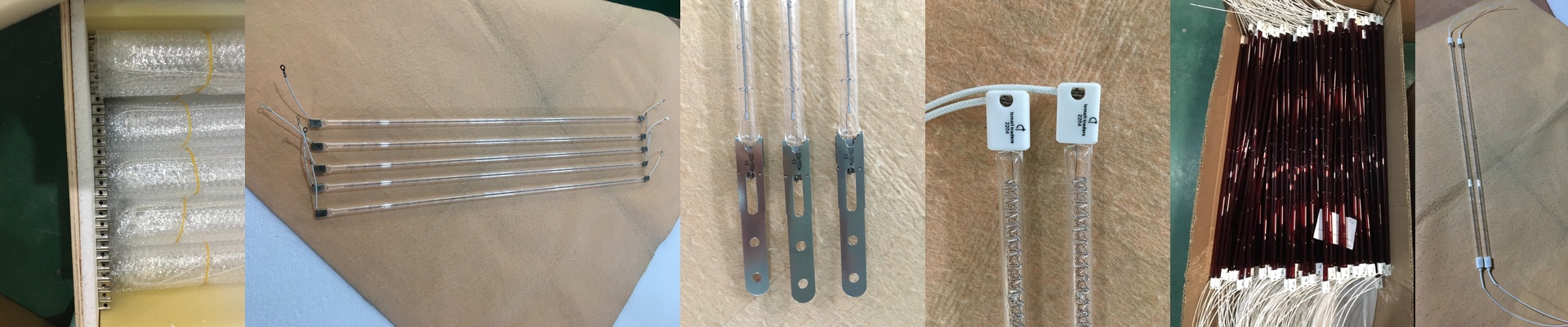
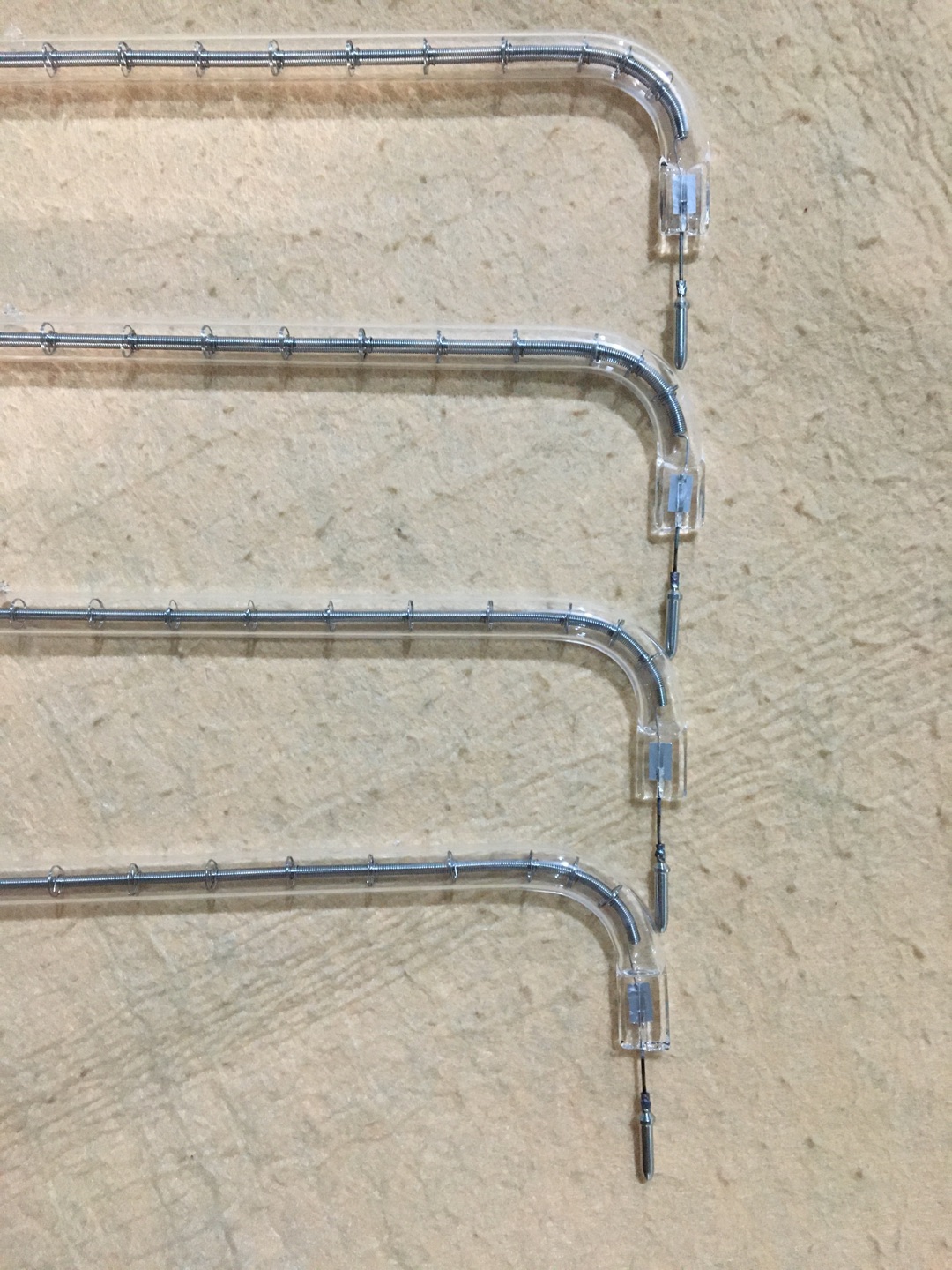
When a lamp burns out in your industrial oven, it feels like more than just a dead bulb. It’s a bottleneck. You aren’t just swapping glass and wire; you’re trying to get your heat levels back to exactly where they need to be so your production doesn’t stall. That’s why we build our halogen replacements to mirror your original setup. We match the wattage and voltage exactly. No guessing games, no overloading your circuits—just a part that fits and works. The Voltage Struggle Here’s the thing about voltage: it’s picky. If your oven is built for 230V but you pop in a bulb that can’t handle those tolerances, that filament is going to snap. It’s frustrating and a waste of money. To stop that from happening, we use high-grade quartz glass. It handles the “shock” of rapid heating and cooling without cracking. Now, you might be tempted to go for higher wattage to heat up faster. Sure, you’ll hit your target temp sooner, but it puts a lot more stress on your wiring. Just make sure your contactors can handle that initial surge of power when you flip the switch. The Nitty-Gritty on Parts Most of these use R7s or Sk15 bases. We focus on these because a tight fit means no arcing at the terminals. That’s a win for safety and a win for the life of the bulb. Inside, we use a halogen gas fill. It basically pushes the evaporating tungsten back into the filament. This keeps the glass clear—no black soot—and keeps your heat steady for thousands of hours. Some of our tubes have a coated finish to bounce infrared energy back into the oven. It makes the tube itself run a bit hotter, but your product gets the heat it actually needs. Getting It Installed The best part? These are simple drop-in replacements. Slide it in, lock the clip, and you’re back in business. But a quick word of advice: these tubes get incredibly hot. If your fans are acting up or your vents are clogged with dust, that trapped heat can actually warp your housing. Before you slide the new bulb in, take a second to check your reflectors. If they’re oxidized or dirty, you’re just throwing energy away. Clean them up first, and you’ll get every bit of performance out of the new lamp.