Why Most Infrared Heaters Fail (And How We Fixed Ours)
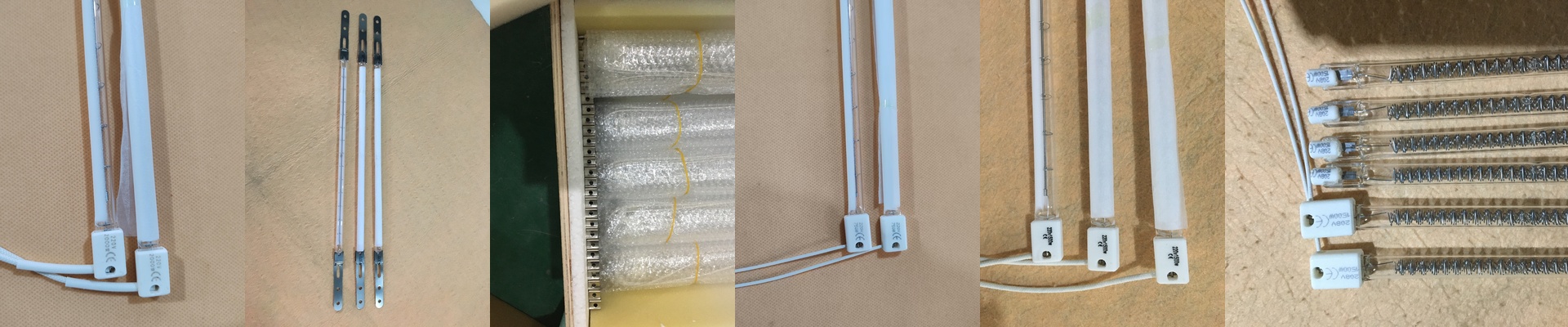
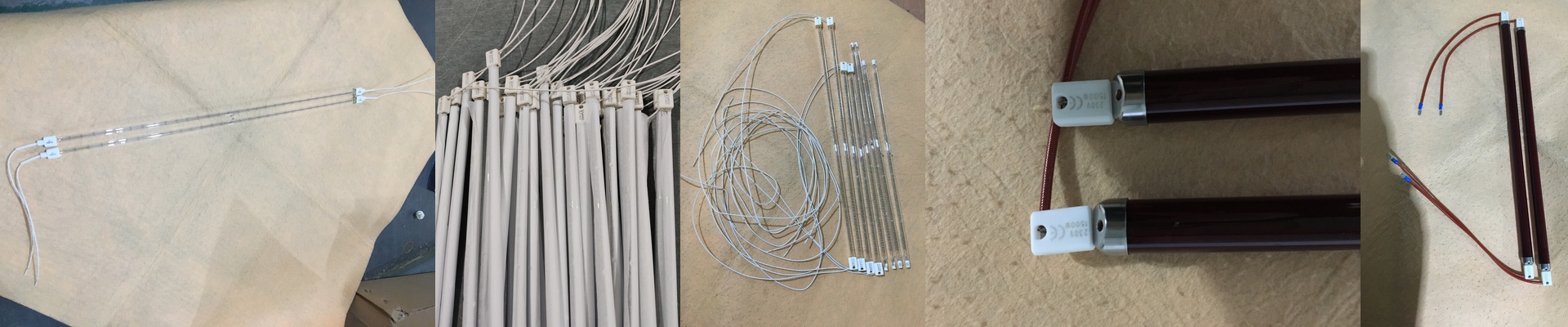
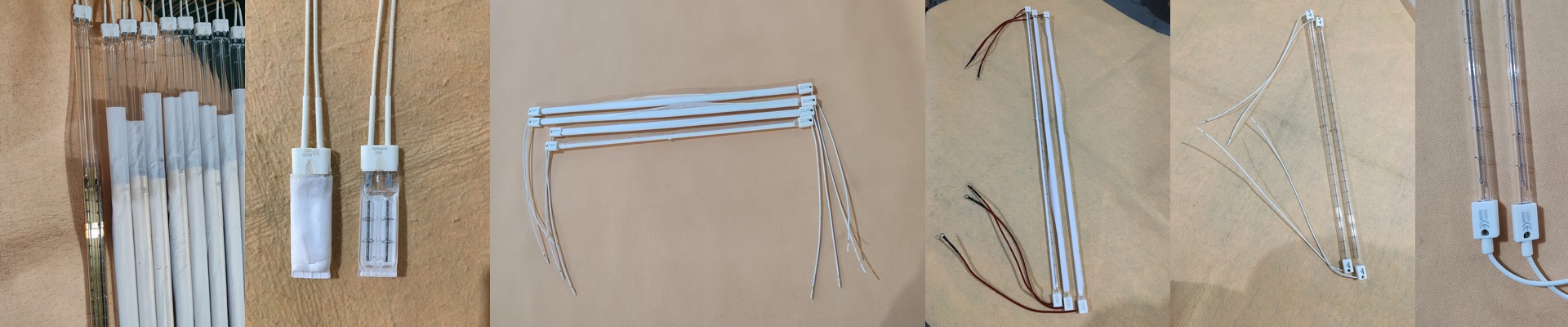
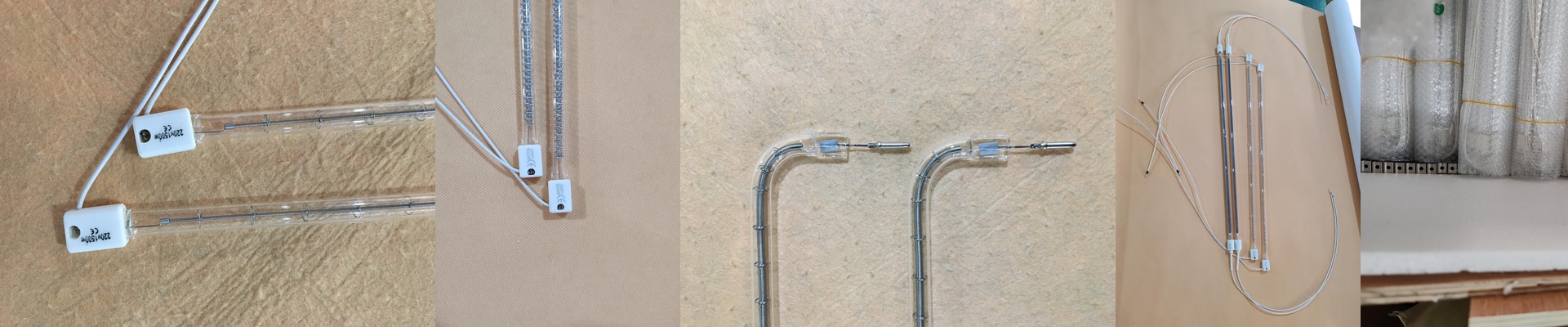
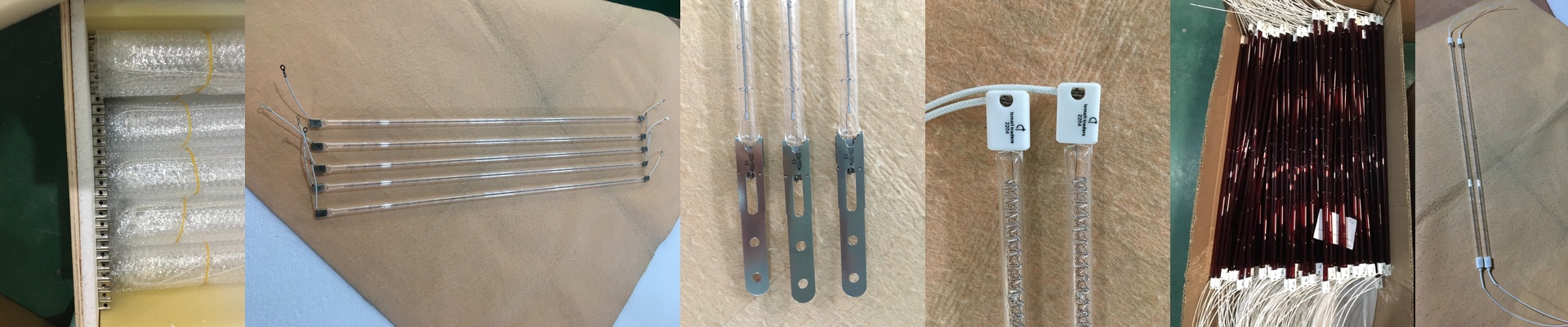
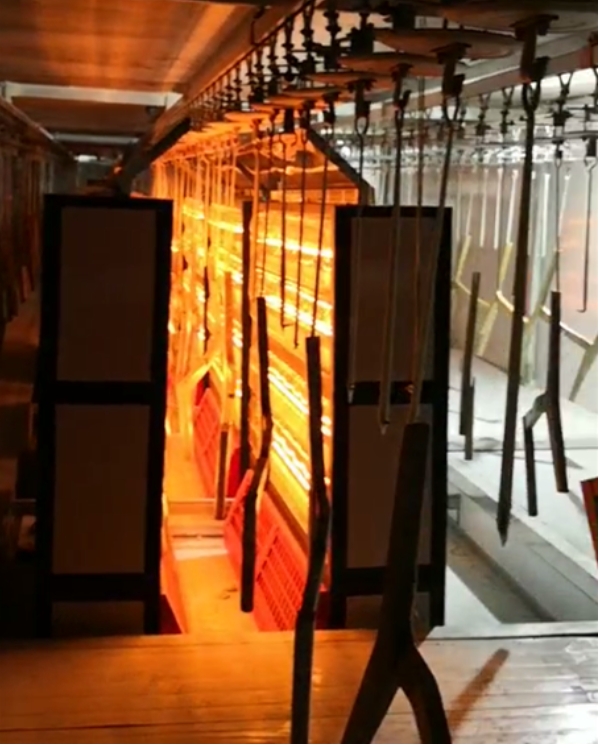
We spent some time visiting about 2,000 powder coating shops. We didn’t go to sell things; we went to see where the lamps actually die. Turns out, most off-the-shelf heaters just aren’t built for the actual chaos of a production line. Between the grime and the constant heating and cooling, they just give up. We took everything we saw in those shops and used it to rethink how we build our lamps. The heat stuff When you’re curing powder, you need the heat to soak in fast. We stick with shortwave infrared because it cuts through the powder layer way quicker than the medium or longwave stuff. Here’s the trick: we use 400V systems instead of 220V. It sounds like a technical detail, but it’s actually the secret sauce. It lets us pack more power into a smaller space without frying the circuitry. You get intense heat exactly where the part needs it. The build Everyone uses quartz glass, but raw quartz is too fragile for a chemical-heavy environment. It cracks. So, we add specialized coatings. This doesn’t just protect the tube; it helps tune how the heat is emitted. Then there are the connectors. This is usually where things go wrong. If a lamp shakes loose or arcs at the terminals when the oven hits peak temp, your whole line stops. Depending on how much your conveyor vibrates, we use R7s or Sk15 connectors. It’s about making sure the lamp stays put, no matter how much the machinery rattles. Using them in the real world These are basically drop-in replacements. You swap them into your curing tunnels, and suddenly your ramp-up times are faster and your power bill drops. But a word of warning: these things are powerful. Because the heat is so concentrated, you have to be careful. If your conveyor is crawling or your parts are too thin, you’ll scorch the coating. Just make sure your line speed matches the wattage of the lamps. Get that balance right, and you’re golden.