Thinking About Upgrading Your Powder Coating Line? Here’s the Truth About IR Elements.
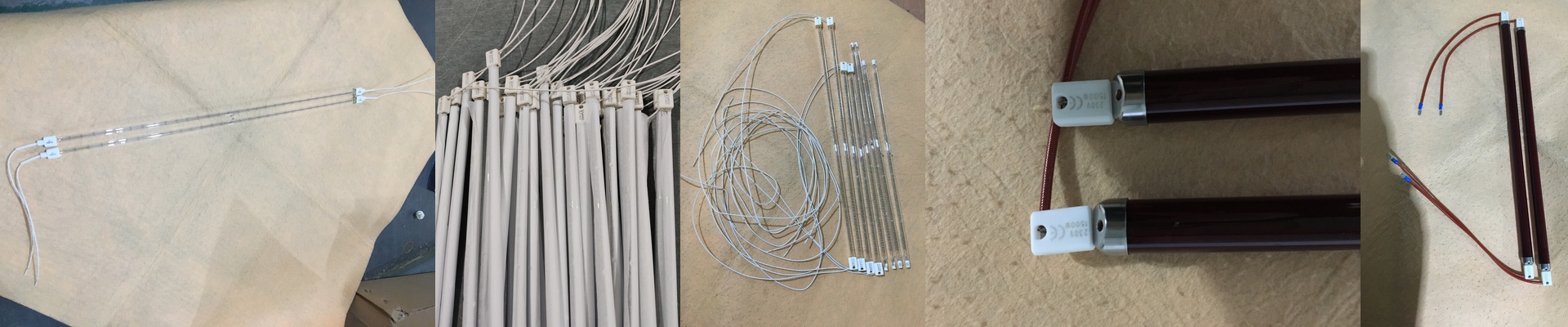
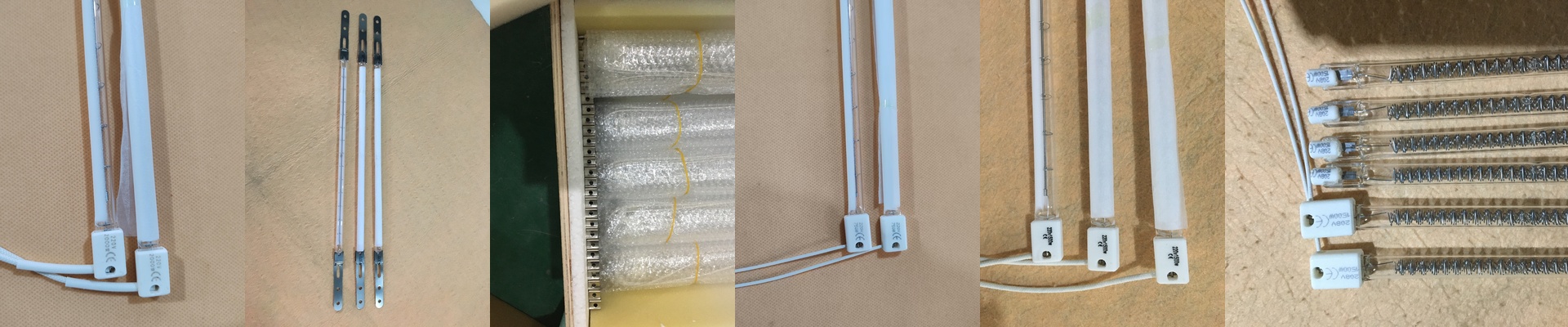
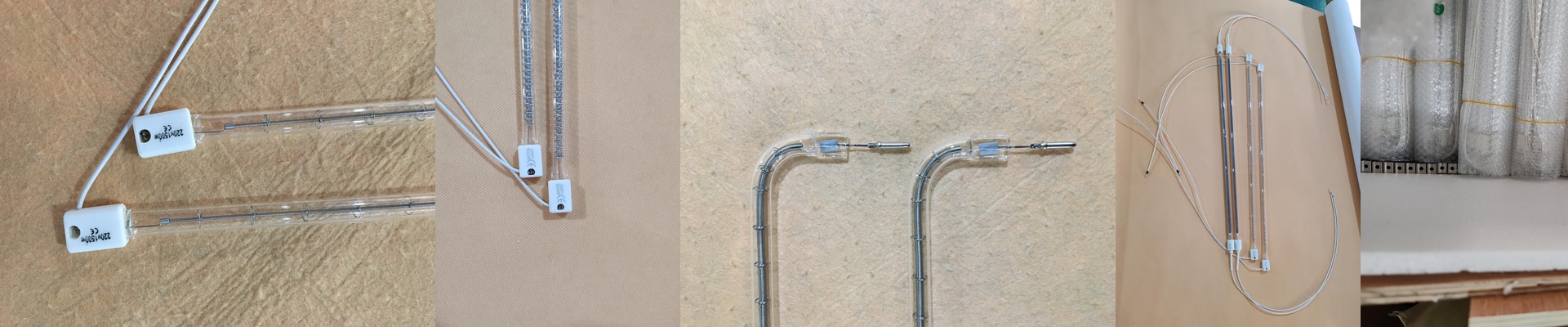
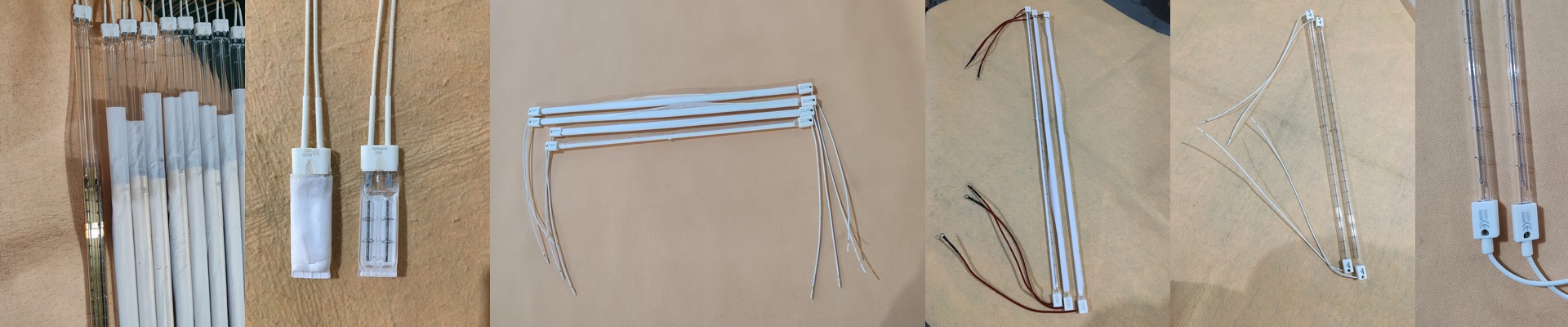
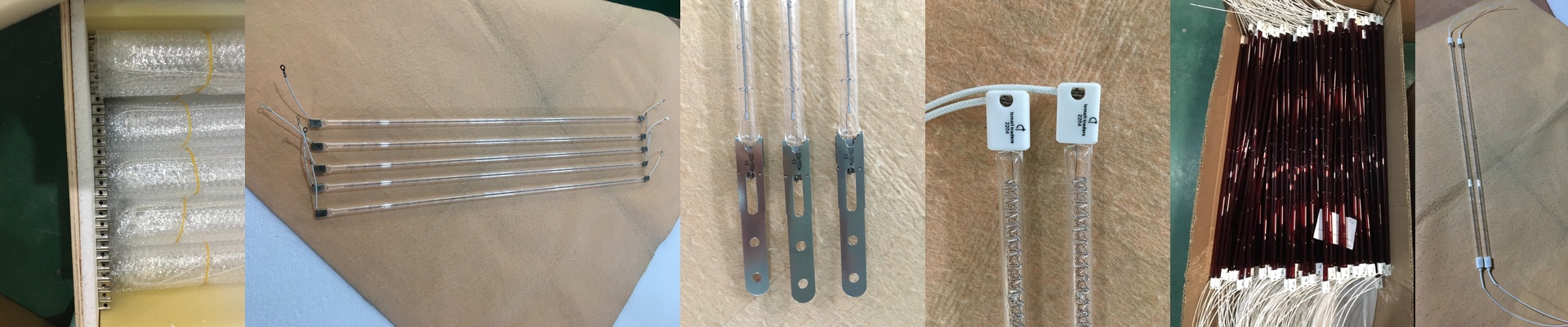
Let’s be honest: old powder coating tunnels are a headache. They chew through electricity and leave you with those annoying uneven cured spots that force you to redo the work. A lot of shop owners think the quickest way out is just to swap in some new infrared (IR) elements. It sounds like an easy win. But before you pull the trigger, there are a few things you should actually consider. The heat factor When you swap out old lamps for high-density short-wave or medium-wave elements, you’re changing how the heat actually hits your parts. If you move from standard quartz to halogen-filled tubes, things heat up fast. Really fast. Your parts hit that curing temperature way sooner, which means you can potentially shave time off your cycle. It’s a huge relief when you’re not just waiting around for a slow, convective oven to finally do its job. The “hidden” trap Here’s the thing: you can’t just match the wattage and call it a day. You’ve got to look at your reflectors. New elements pump out a lot of concentrated energy. If your reflectors are pitted, oxidized, or just plain dirty, they won’t bounce that heat back onto the workpiece. Instead, you’re just spending money to heat up the tunnel walls. I’ve seen this happen a dozen times. People upgrade the elements but ignore the reflectors, and they only see a tiny bump in productivity—maybe 10% or 15%. If you want a real jump in output, you have to make sure the whole thermal zone is working together. The electrical headache Then there’s the wiring. Higher-wattage elements pull more current, especially when they first kick on. If your electrical panel is already pushed to the limit, you’re going to be tripping breakers all day. Not exactly the “productivity boost” you were looking for. A “drop-in” replacement is great, provided the footprint and voltage match your current controllers. But if you’re thinking about switching from 220V to 380V to save on power in the long run, get ready to rewire the heating banks. It’s a bit of a toss-up. You have to decide if the upfront cost of the electrical work is worth the drop in your monthly power bill.