Getting Your Alloy Wheel Curing Right
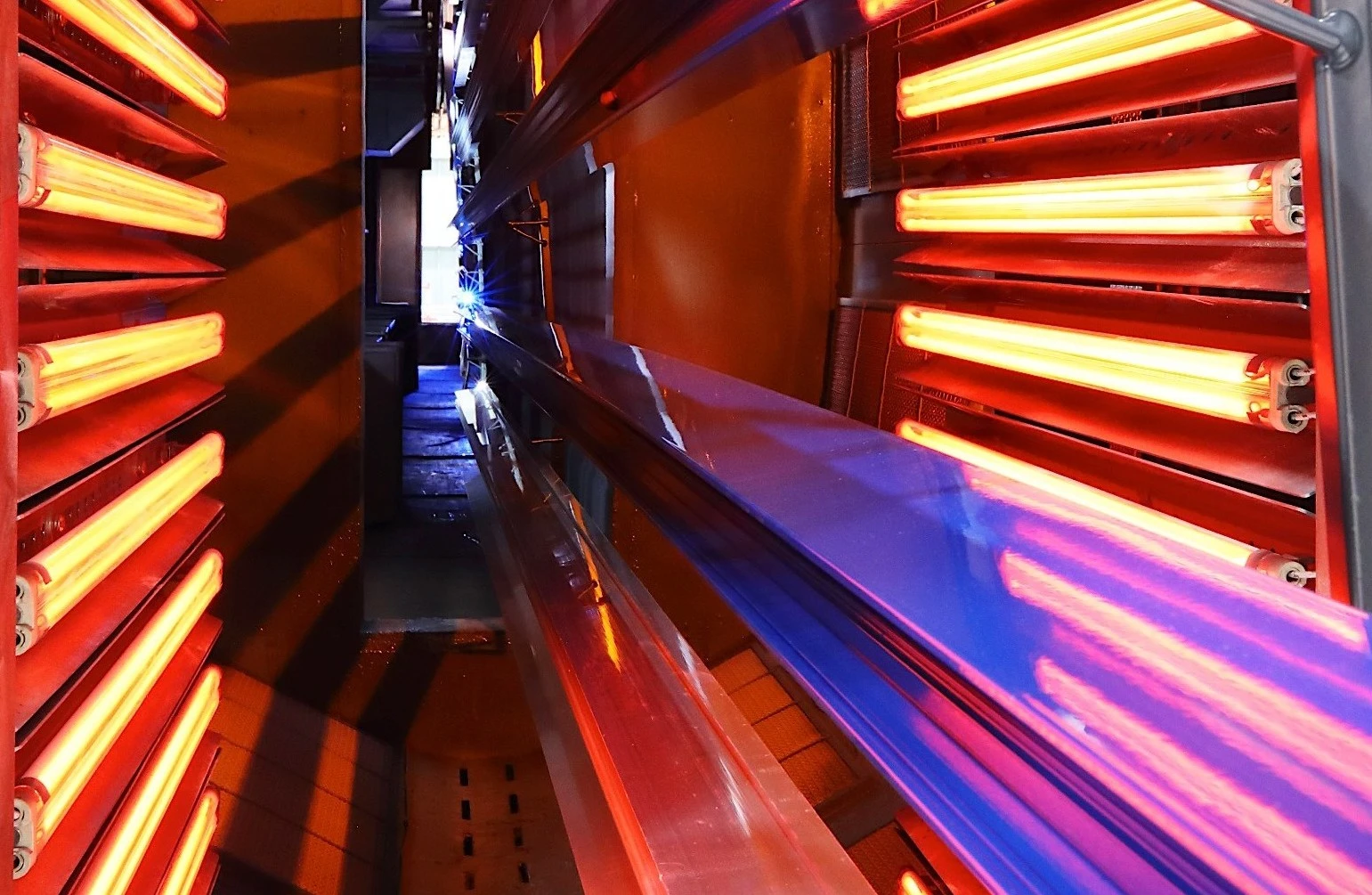
When you’re running a high-volume plant, swapping out those expensive OEM infrared lamps for something more local usually boils down to two things: how much heat you can pack into the space and how long you can keep the line moving. For alloy wheels, you can’t just throw heat at the problem. You need shortwave IR. It hits the coating fast and hard without baking the metal substrate into a mess.
The Power Play
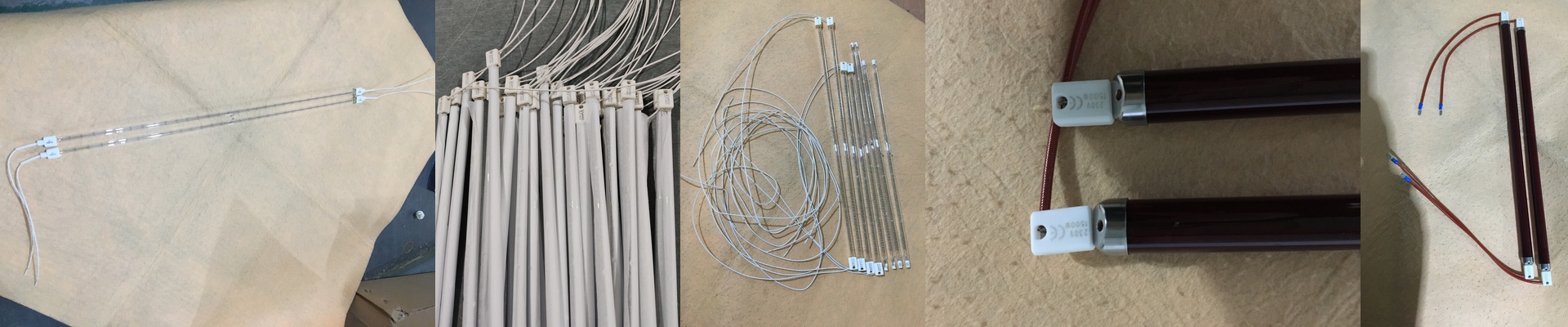
Here’s the thing about replacing an OEM lamp: it’s all about the spectrum. If you don’t get the ramp-up speed right, your paint starts to sag. That’s why we lean on high-wattage shortwave quartz tubes. The paint just drinks that radiation right up. Now, if you’re thinking about jumping from a 230V to a 400V system, you’ll get way more power in a smaller footprint. It’s great because you can actually shorten your oven. But watch out. 400V tubes run hot—really hot—at the terminals. Check your wiring. If your connectors aren’t rated for that thermal load, you’re just waiting for the insulation to melt.
Keeping Things Durable
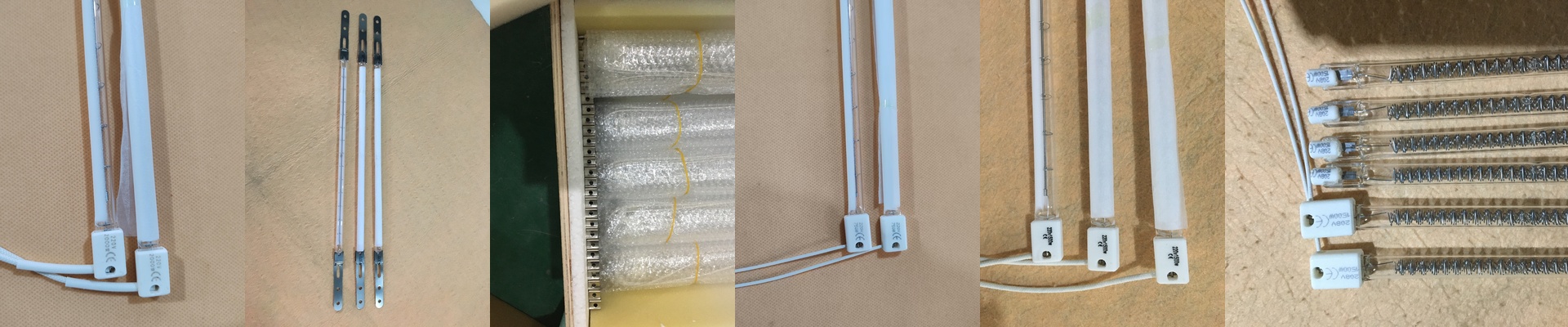
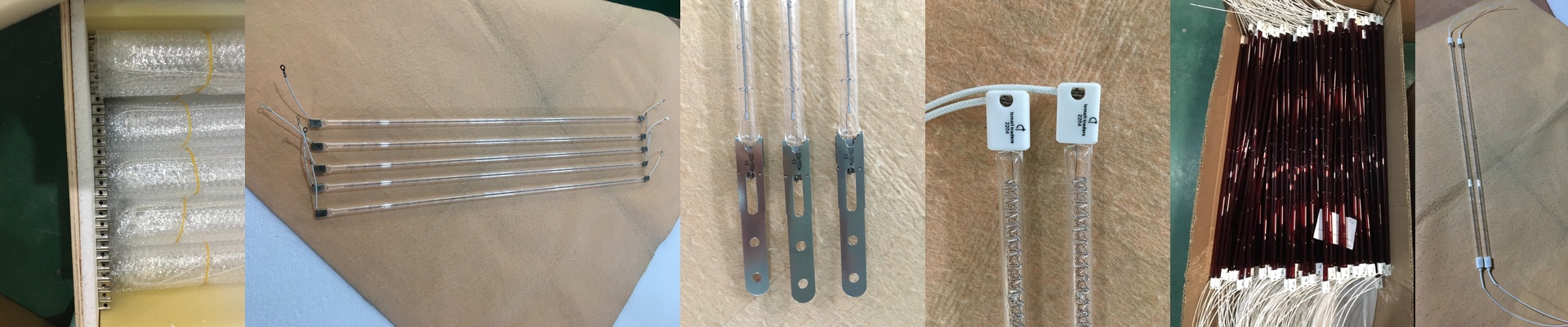
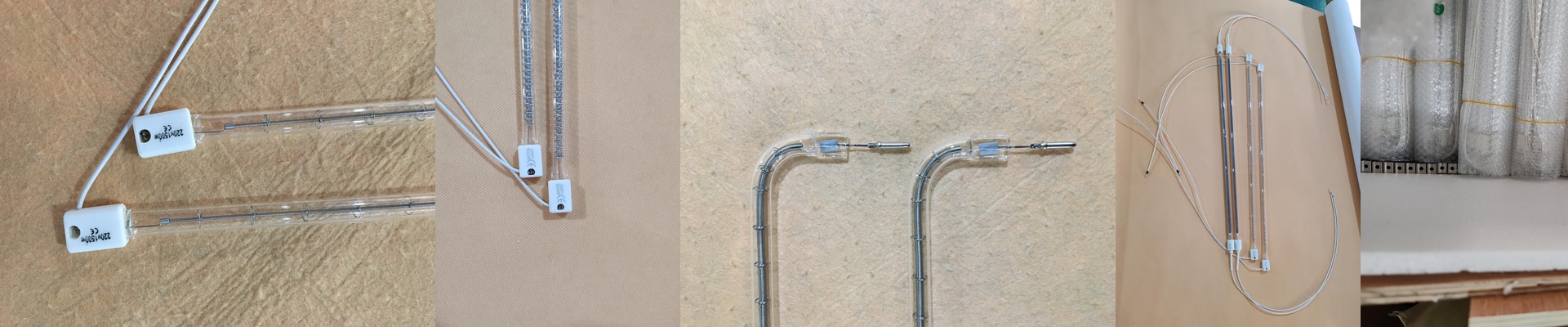
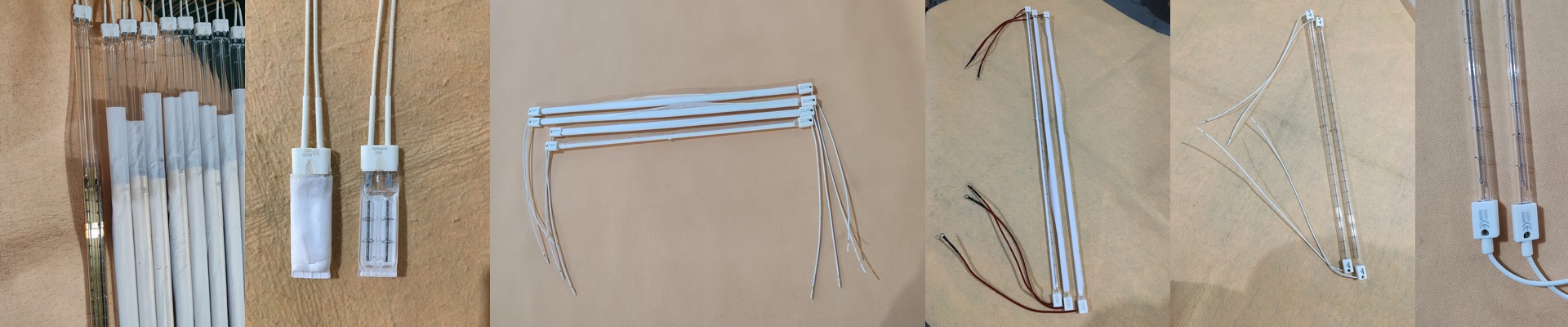
We use halogen-filled quartz to keep the filaments from burning out too fast. Let’s be honest: a wheel coating line is a brutal environment. You’ve got airborne overspray and chemical fumes eating at everything. That’s why we usually go with a coated quartz tube. It does two things: it bounces the heat back toward the wheel and keeps the glass from getting gunked up. As for the connectors, we stick to the basics—R7s or SK15. They’re simple drop-in replacements. Your maintenance crew can swap a dead tube in a few minutes and get back to work without having to rewire the whole bank.
The Trade-Off
It’s a balancing act. Pushing for higher heat density speeds up your line, which feels great for production numbers. But it puts a lot of stress on the quartz. If you push the wattage to the absolute limit, those tubes won’t last nearly as long. You have to find that sweet spot between how fast you want the wheels moving and how often you’re okay with replacing lamps. That’s the only way to keep your cost per wheel actually low.