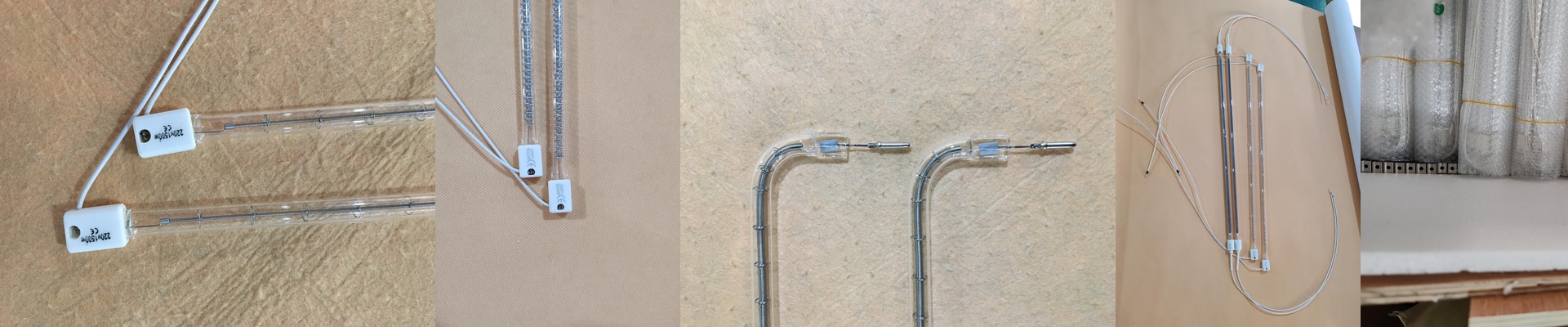
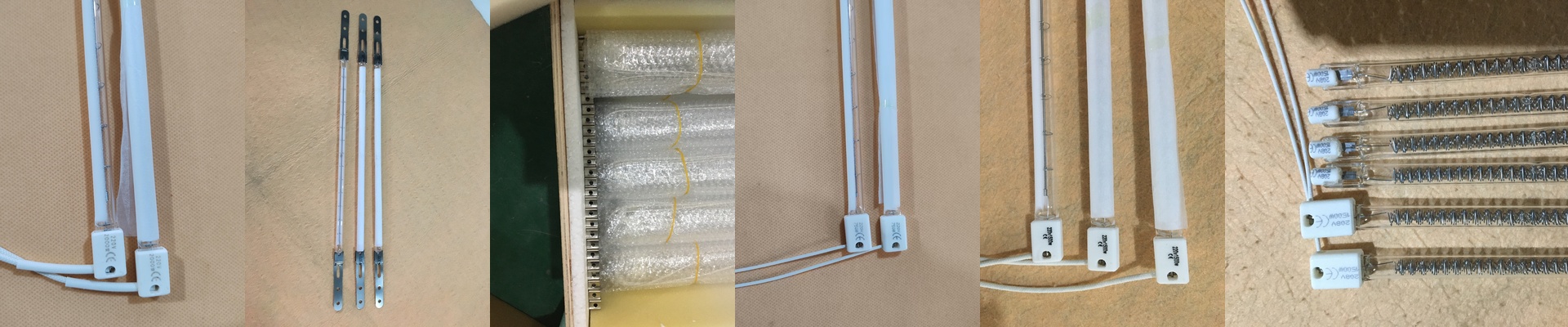
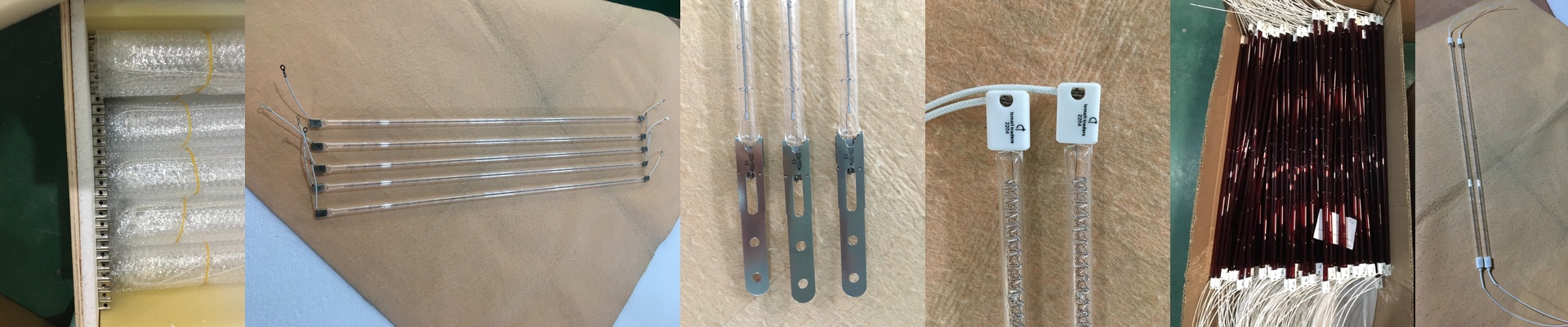
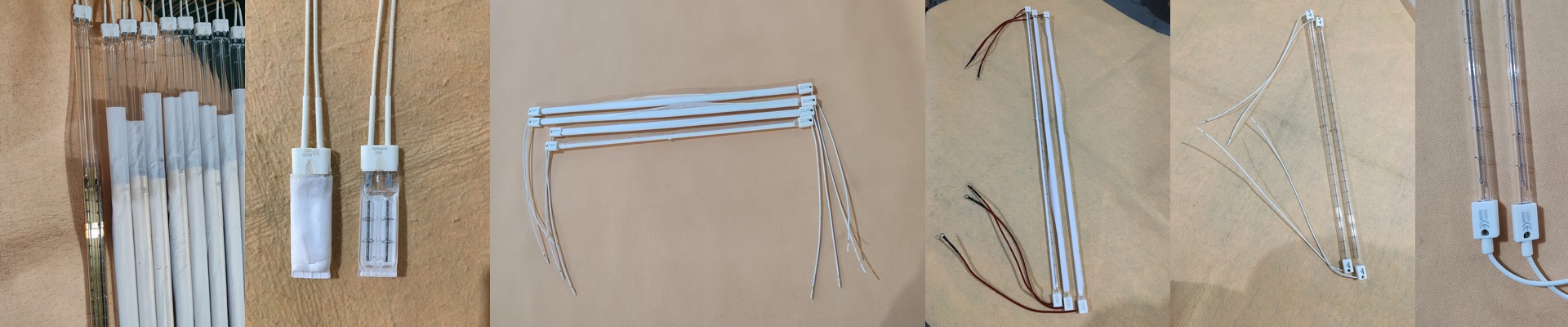
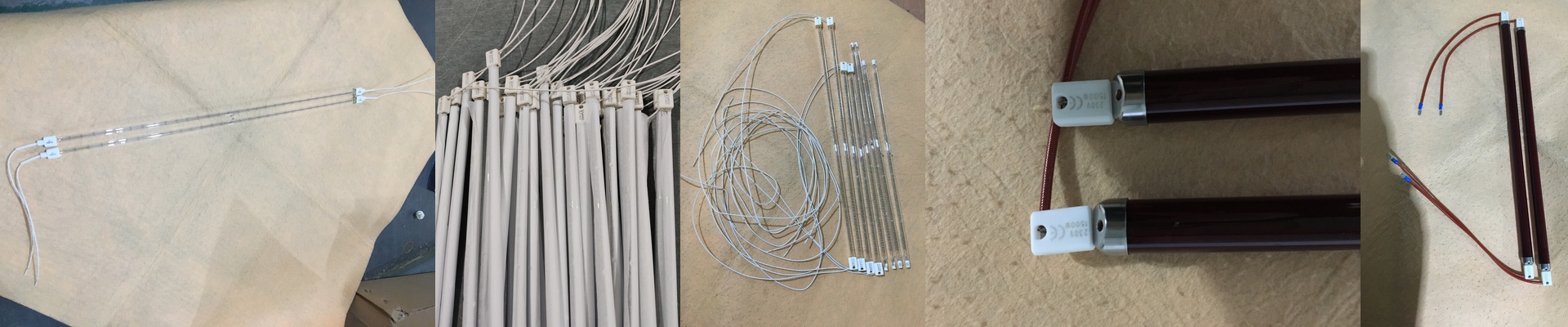
Let’s talk about curing lamps
You’ve probably seen the phrase “high-quality domestic” used a thousand times. Usually, it’s just a fancy way of saying “cheap substitute.” In the world of industrial heating, that’s a dangerous game. If you cut corners, your lamps burn out way too fast, and suddenly your production line is dead in the water. We do things differently. We don’t look for ways to shave off a few cents on raw materials. Instead, we look at the top three global brands and ask, “How do we match that performance?” The nitty-gritty on heat and voltage We build our lamps to hit exact wattage and voltage targets. No guessing. For the high-output stuff, we use heavy-duty quartz envelopes because they can actually handle the thermal stress without cracking. If you’re running a high-speed line, the wattage-per-centimeter ratio is everything. It’s what determines how much you can actually push through your system. We keep the tolerances tight so you don’t end up with annoying cold spots in your curing zone. Materials that actually last We use high-purity quartz and specific coatings to shift the emission spectrum. The goal is simple: we want the heat hitting your substrate, not baking your machine frame. As for the connections, we stick with standard R7s or Sk15 connectors. They just work. You can drop them right into most European or American systems without a headache. And we don’t mess around with thin-gauge wiring. We use materials that can take a beating in a 24/7 production environment. A quick warning on heat flux High-density lamps are great because they deliver massive heat fast, which slashes your cycle times. But there’s a catch. If you cram a high-wattage tube into a tiny space, your cooling fans have to be up to the task. If your airflow is weak, the ends of the lamp will overheat and fail. It’s a common mistake, but an expensive one. Here is the honest truth about the price. We’ve managed to bring the cost down by cleaning up our supply chain and cutting out the “brand tax.” We didn’t do it by thinning the quartz or using cheap filaments. You get the same light output and the same lifespan as the big-name labels, just without the inflated price tag.