Stop Replacing Your IR Heaters Every Other Week
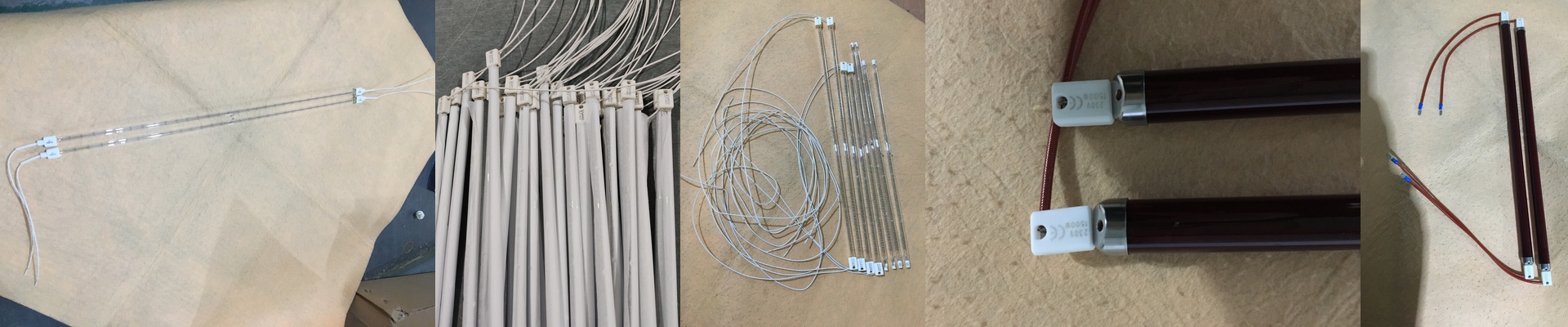
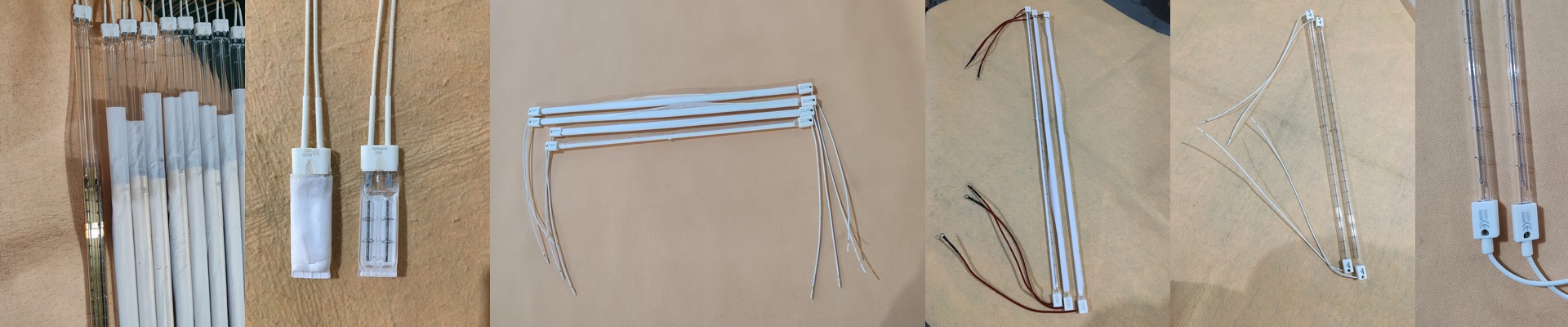
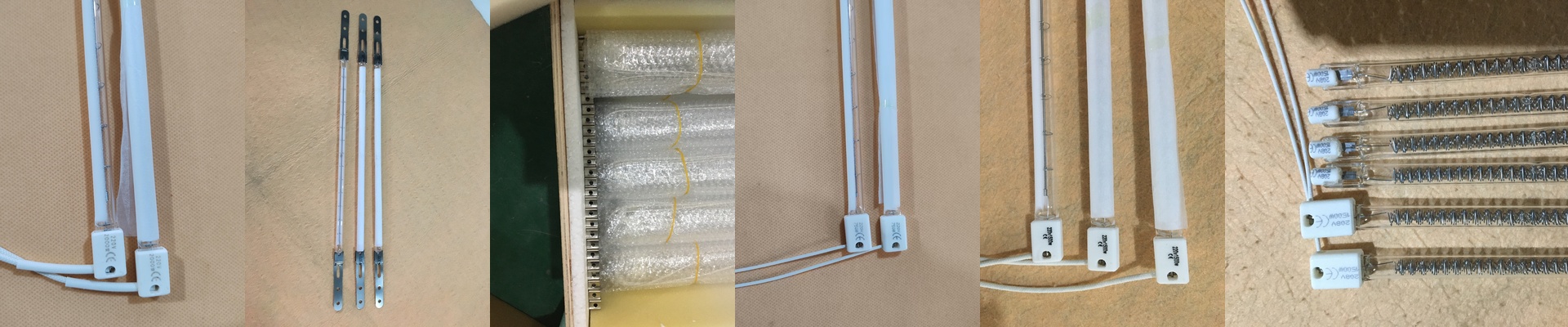
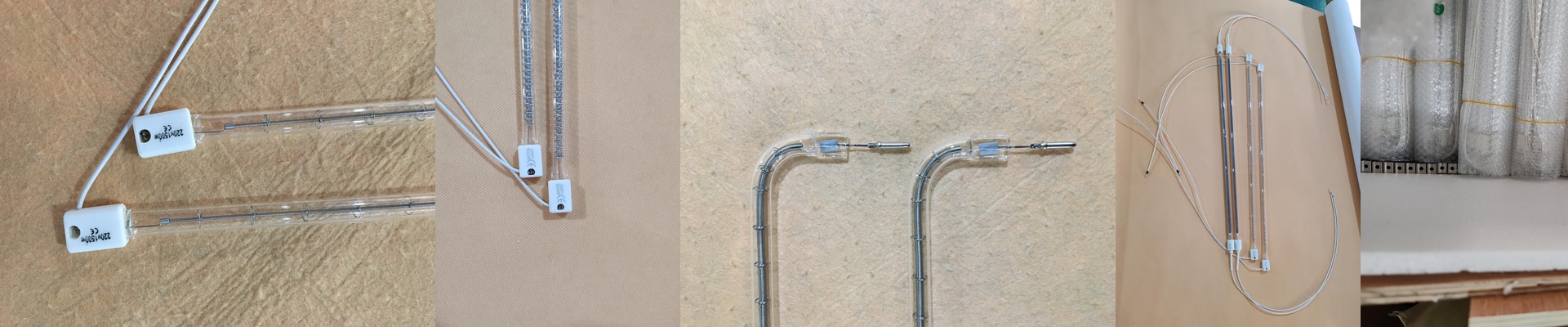
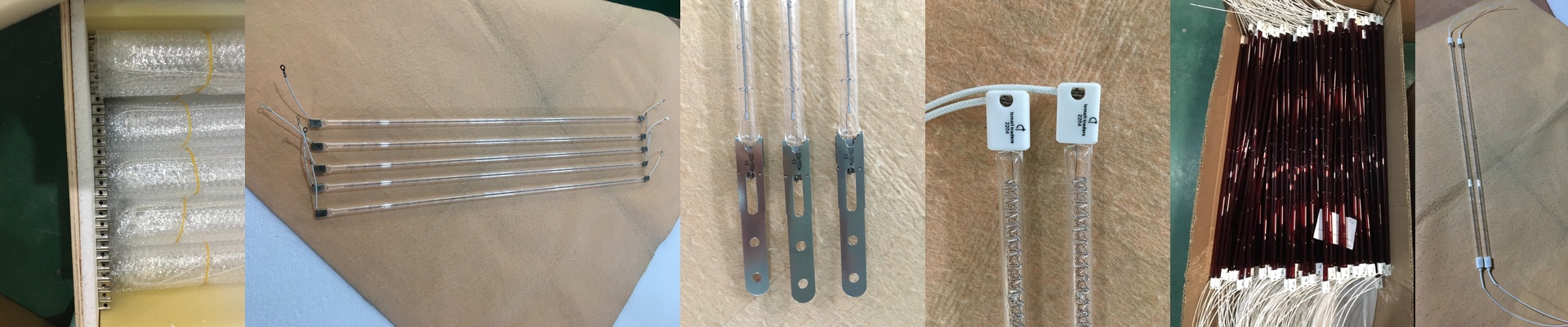
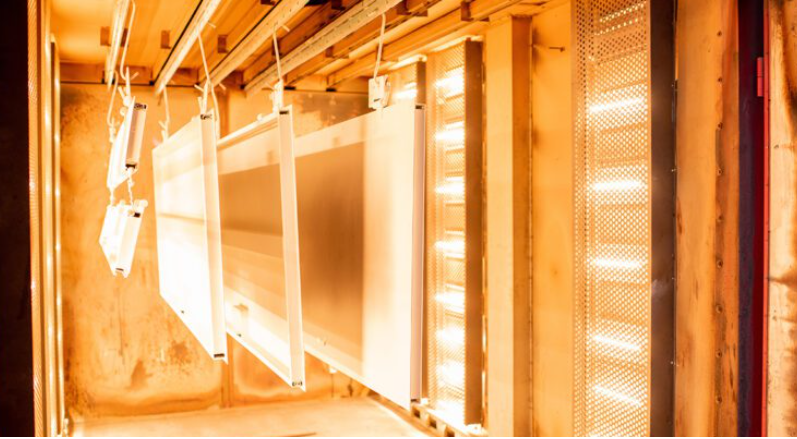
If you’re running a spray coating line, you know the drill. You need that paint to cure perfectly, and you need it to happen fast. That’s why most of us lean on shortwave halogen lamps—they hit the target temp in a heartbeat. But there’s a catch. When you’re pushing high volume, those lamps burn out. Fast. It becomes this endless cycle of maintenance headaches and a constant drain on your budget. It’s frustrating. How to actually make them last Here is the secret: it’s all about the halogen cycle. We design our lamps to stop the tungsten filament from evaporating and gunking up the quartz tube. This keeps the light clear and the heat steady, rather than fading out over time. We also use heavy-wall quartz. Why? Because ovens are brutal. The thick glass takes the heat without warping or cracking under pressure. It’s built for the grind. Getting the specs right (so you don’t fry your gear) If you’re switching to a high-spec domestic lamp, you have to be careful with your voltage and wattage. They need to match your transformers exactly. If they don’t? You’re either going to end up with under-baked parts or a dead filament in a few weeks. Most of our gear fits right into R7s or SK15 sockets, so you can just swap them out and get back to work. And if you need to hit a specific layer of paint without heating up the entire conveyor belt, we can add thin-film coatings to the quartz. It basically narrows the beam to hit exactly where you need it. The balancing act: Heat vs. Cooling Here’s the thing about high-wattage tubes: they pack a massive punch. Your cycle times drop, which is great for production. But that heat doesn’t just go toward the paint. It puts a lot of stress on your lamp holders. If your cooling fans aren’t up to the task, you’re looking at melted wiring. It’s a risk you don’t want to take. The good news is that swapping out those expensive imports for domestic, long-life alternatives usually slashes your yearly maintenance spend. You get a lamp that drops right in, keeps the same heat profile, but actually survives the long haul.