Stop Just “Heating” Your Fabric
Most suppliers will just sell you a lamp and wish you luck. But if you’re running a high-speed textile line, “heating” is way too vague. You aren’t just warming things up; you’re trying to hit a tiny window of perfection where the polymer bonds or the fabric dries, but nothing actually scorches. It’s a tightrope walk.
Let’s talk about heat density
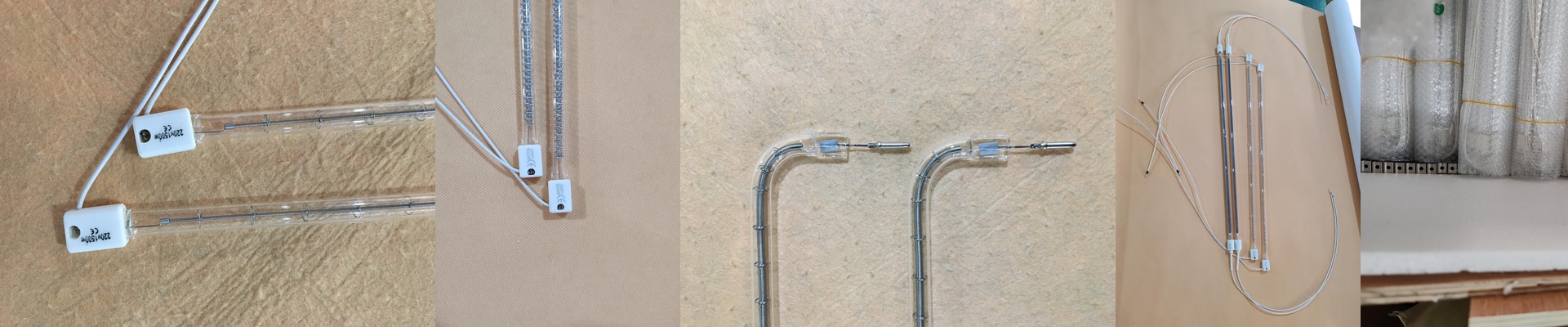
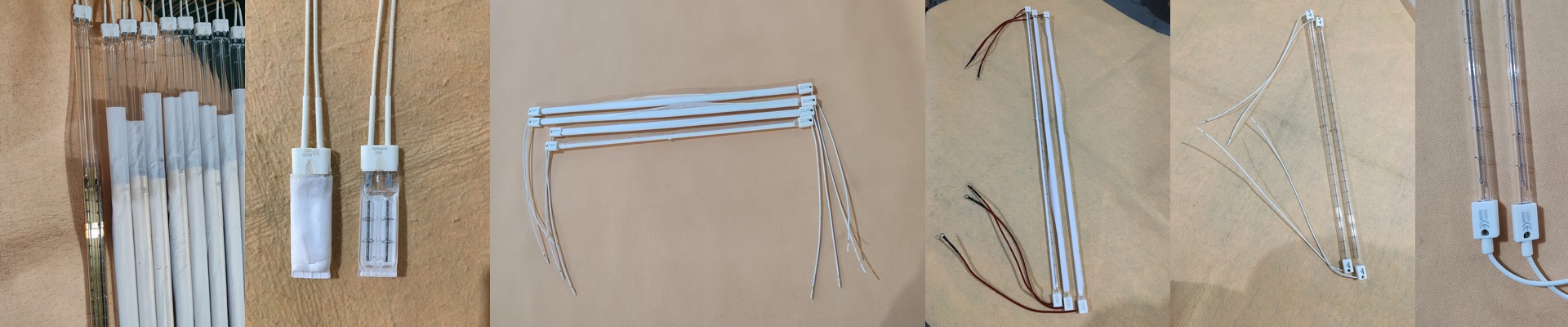
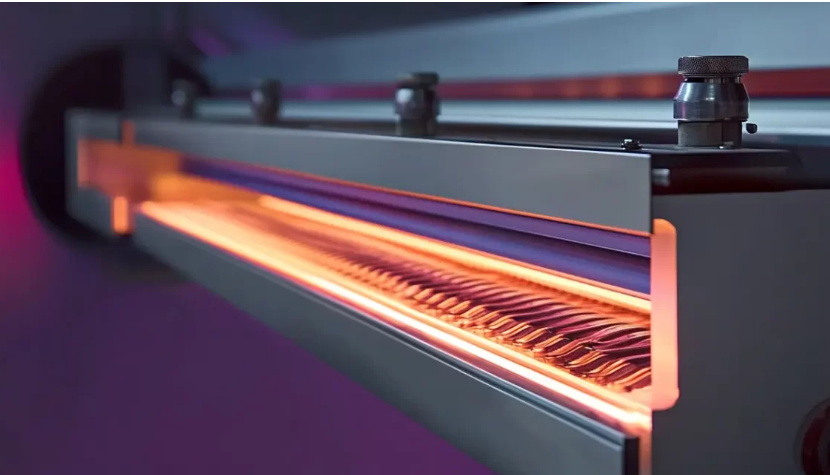
We don’t just pick a lamp; we look at your line speed and figure out the exact watt-density you need. Think of it this way: a high-wattage quartz tube isn’t just about raw power. It’s about how fast that energy actually hits your material. By pushing more voltage into a shorter tube, we crank up the density. The upside? You can shrink your Heating zone and get things up to temperature much faster. But here is the catch. High-density lamps are hard on your reflectors. If your reflectors are pitted or looking a bit rusty, you’re basically throwing 20% of your energy into the machine frame instead of the fabric. That’s a waste of money and power.
The nitty-gritty: Quartz and Coatings
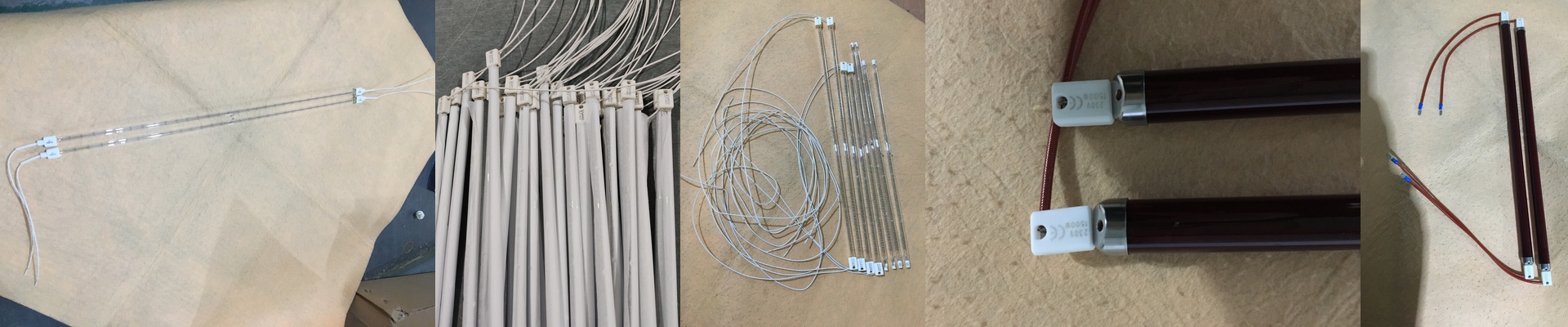
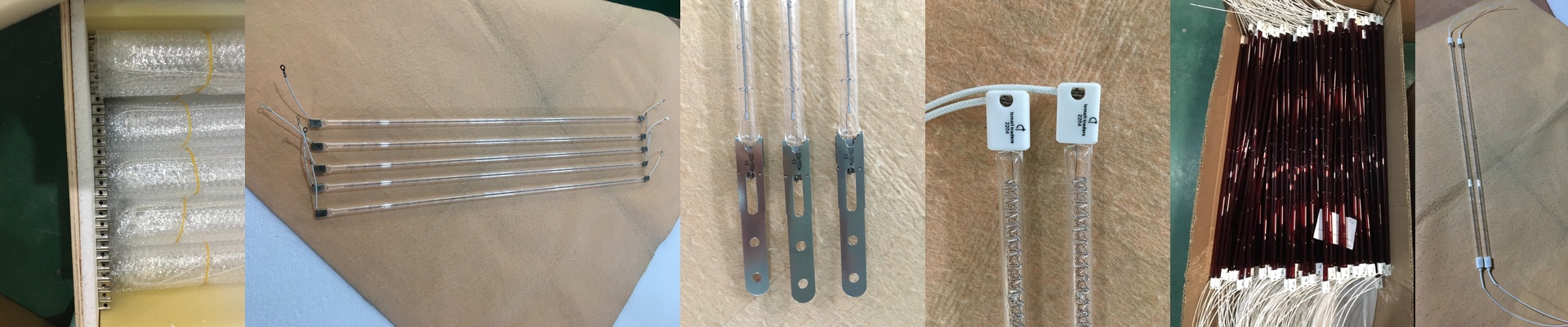
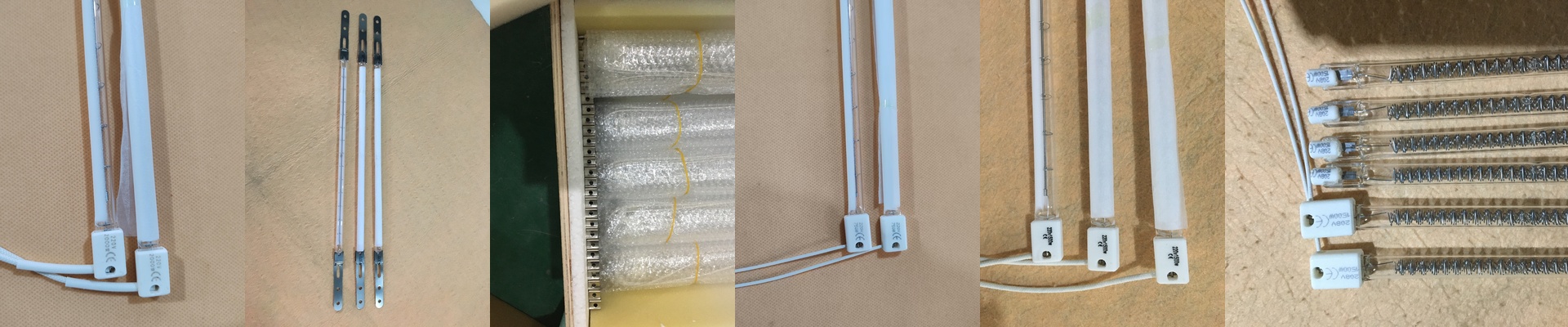
We use heavy-wall quartz because, frankly, thin tubes bow when they get screaming hot. Nobody wants a warped lamp. Depending on what you’re making, we also add specific coatings. This shifts the emission spectrum so the heat actually sinks into the core of the fiber rather than just searing the surface. And because we know you don’t have time for a weekend project every time a bulb pops, we use standard R7s or Sk15 connectors. They’re drop-in replacements. You just swap the tube and get back to work—no rewiring the whole rack required.
Making it actually work on the floor
Precision is really just about matching your lamp’s output to how fast your conveyor is moving. If your line slows down but your lamp stays at full blast? You’re going to burn your material. Period. To stop that from happening, you need to pair the hardware with a fast-acting PID controller. And please, don’t forget about the cooling. If you’re running these lamps at max capacity, you need active ventilation. Otherwise, you’re just waiting for your sockets to melt.