Stop Letting Your Curing Cycle Bleed Money
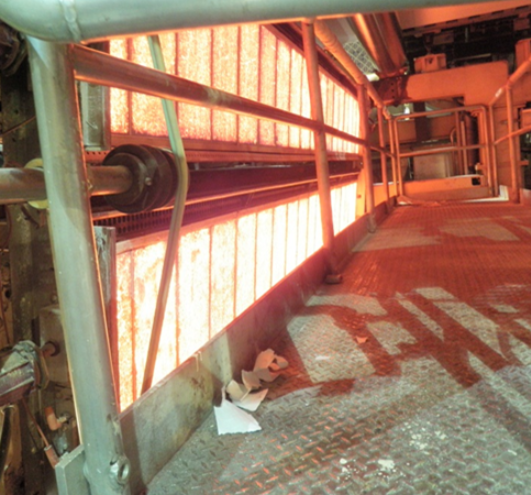
Ever notice how those “little” interruptions are actually the biggest headaches? A burnt-out lamp here. A weird, inconsistent cure there. You stop the line, swap a part, and get moving again. It feels like a five-minute fix. But it’s not. When the belt stops, your profit stops. In a high-volume plant, these tiny gaps in production are absolute killers. You aren’t just paying for a new part; you’re paying for the silence on the factory floor.
The trick to spotting the drift
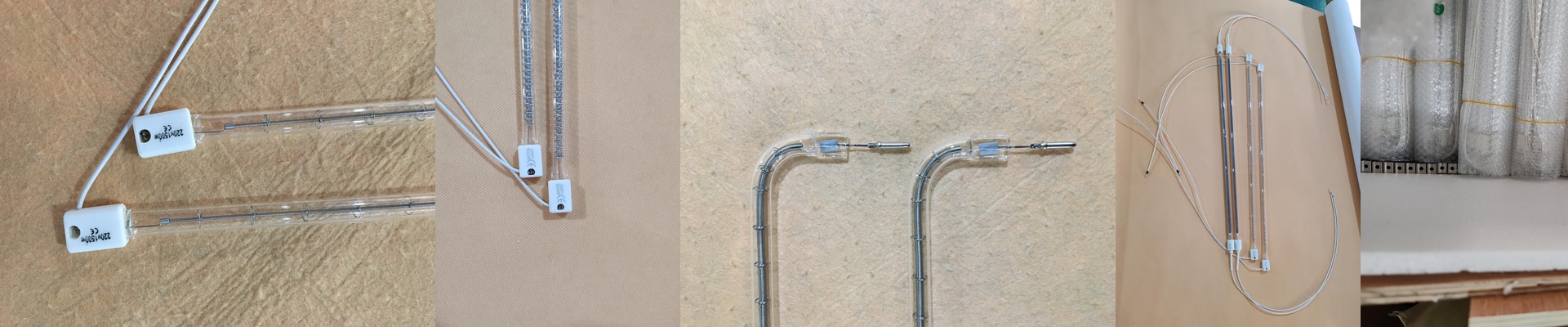
This is where a curing time recorder comes in. Think of it as more than just a timer. It’s actually watching the “on-time” of your heating elements. Here’s the thing: lamps don’t always just pop. Often, they start to fade. If you notice you’re slowing down the belt just to make sure the product is actually cured, you’ve found your leak. You’re sacrificing your hourly output because your hardware is tired. You’re essentially paying for aging equipment with your own throughput.
Stop guessing, start scheduling
We’re all about getting rid of those invisible losses. When you actually have the data, you stop playing the guessing game. You don’t wait for something to break and scream at you—you just schedule the maintenance. It’s a lot less stressful. Plus, it helps you get your power and cooling right. High-wattage setups give you that punch of heat you need, but they’re hard on the gear. If you’re running at 100% without keeping an eye on the cycles, you’re just begging for a connector or a wire to fry.
Finding that sweet spot
It’s a balancing act. Run it too fast? You get under-cured product and a pile of scrap. Run it too slow? You’re leaving money on the table. A dedicated recorder lets you find that tiny, perfect window in the middle. You might find you can shave a few seconds off every cycle. It doesn’t sound like much, but over a full shift? It’s huge. That’s how you actually claw back the profit you’ve been losing to downtime.