Getting the Heat Right: Why Spectral Tuning Actually Matters
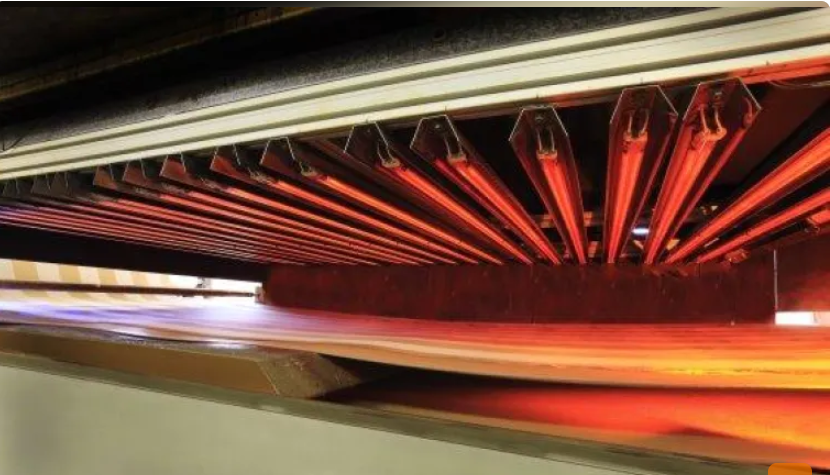
Most people think a heating lamp is just a heating lamp. But if you’re working with textiles, you know it’s not that simple. If the wavelength of the light doesn’t “click” with the molecular structure of your fabric, you’re basically just heating up the air in the room. It’s a waste of power and a waste of time. We don’t just make things hot; we make sure the energy actually goesintothe fiber.
The Sweet Spot
We spend a lot of time in the lab playing with the gap between short-wave and medium-wave radiation. By tweaking the filament and the thickness of the quartz, we can hit the exact absorption band your material needs. Why does that matter? Because it means you can get the core of the fabric up to curing temperature without scorching the surface. No burnt edges, no ruined batches. Just a clean, deep heat.
Pushing the Limits (And How We Stop Them from Breaking)
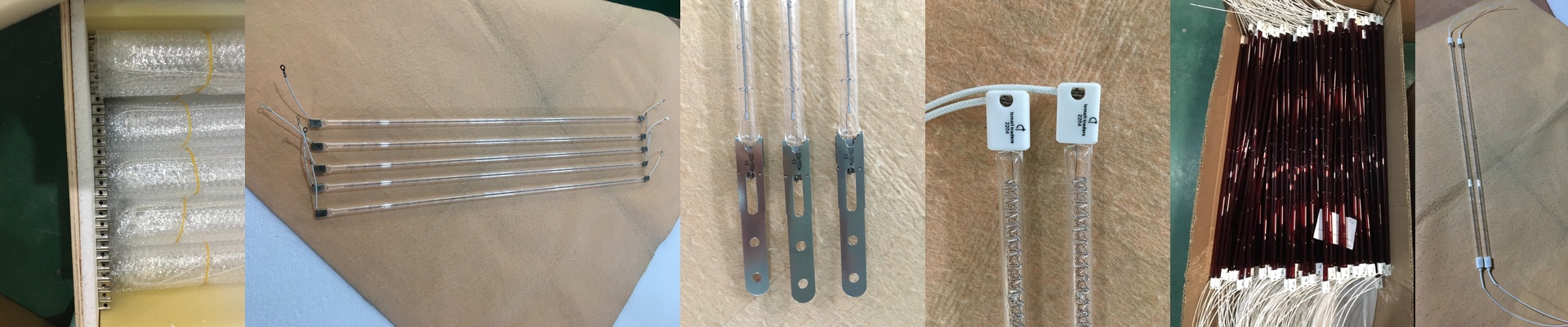
We design these tubes to cram a lot of wattage into a tiny space. When you go for high thermal density, you’re pushing a massive amount of energy through a quartz tube. It’s great for fast ramp-up times—you get to temperature almost instantly. But that kind of power puts a lot of stress on the lamp ends. To keep them from burning out during those quick power cycles, we use reinforced seals. They’re built to take the hit so you don’t have to replace lamps every few weeks.
Setting It Up
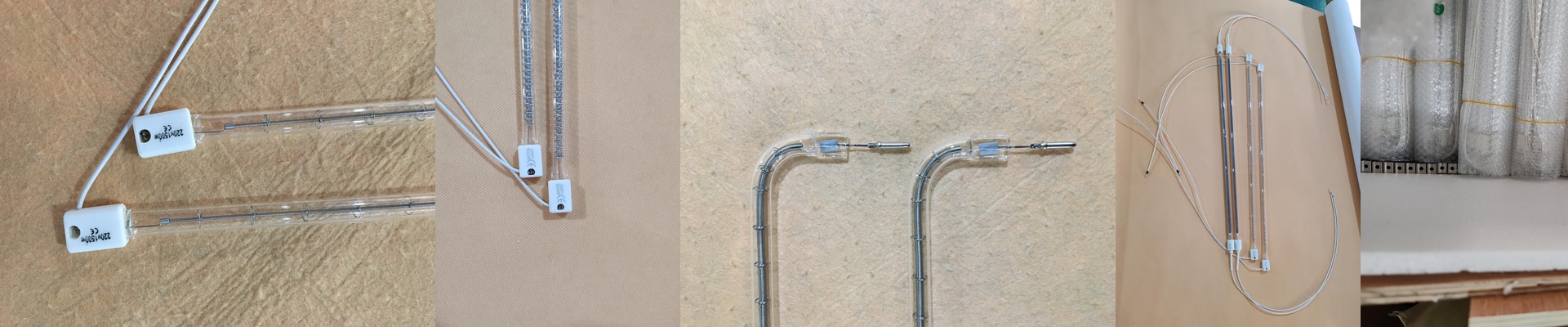
We use standard connectors like R7s and SK15, so you can just pop these into your existing rigs without a headache. If you want the best results, pair them with a precision PID controller. One quick heads-up, though. When you push for maximum heat, your machine’s chassis is going to feel it. If you’re running these at 100% duty cycle, make sure your fans and vents can actually move the air. If the airflow is weak, the housing will overheat, and your quartz life will plummet. Keep it cool, and the lamps will last.