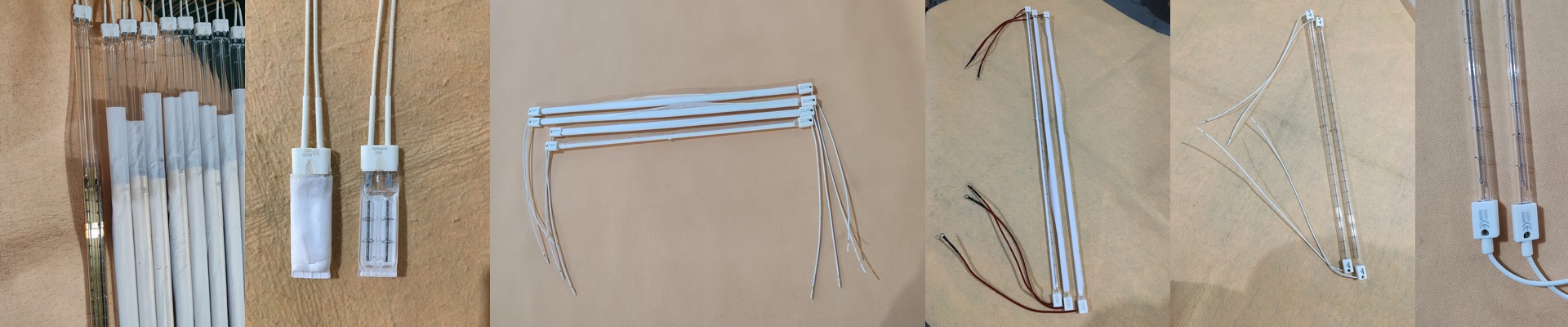
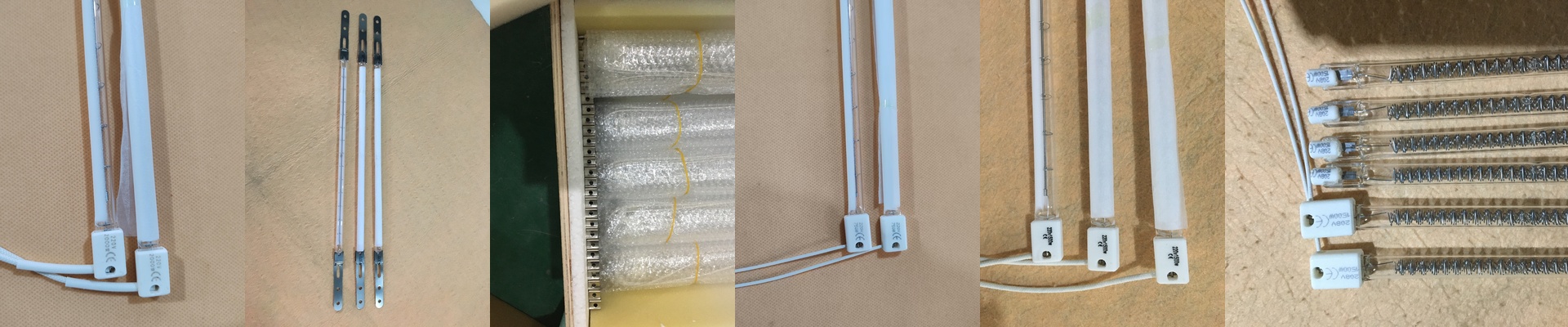
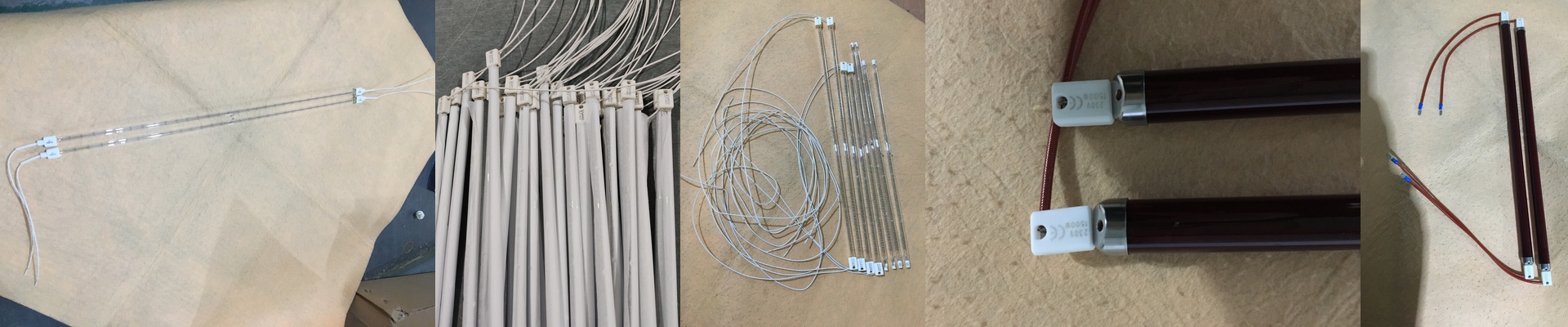
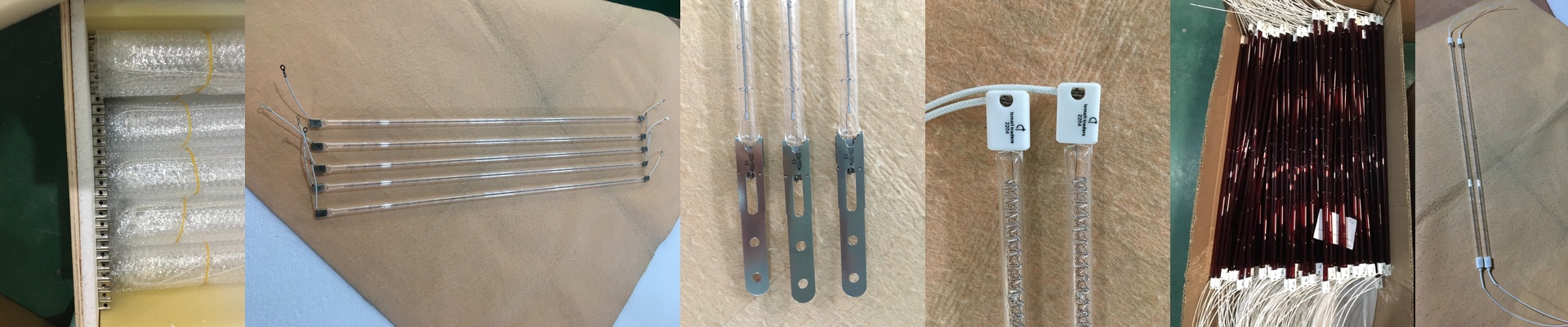
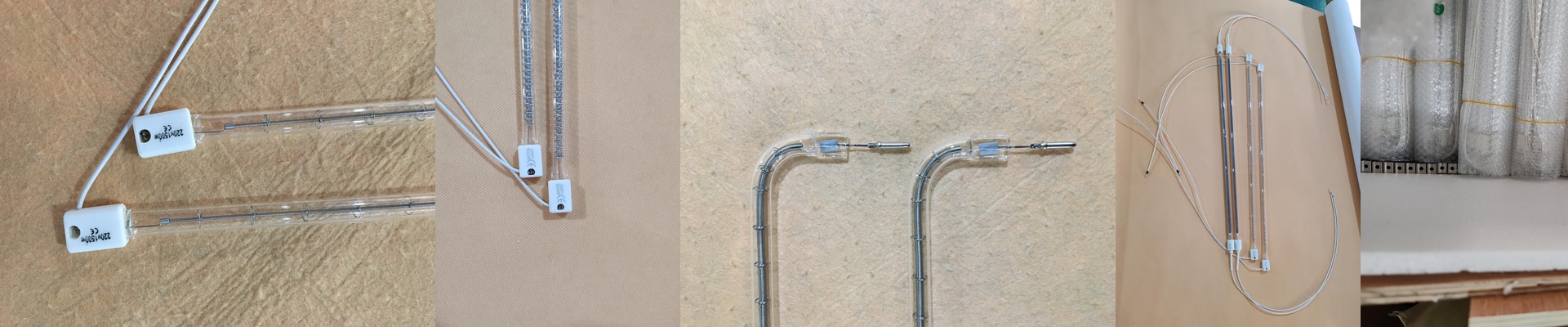
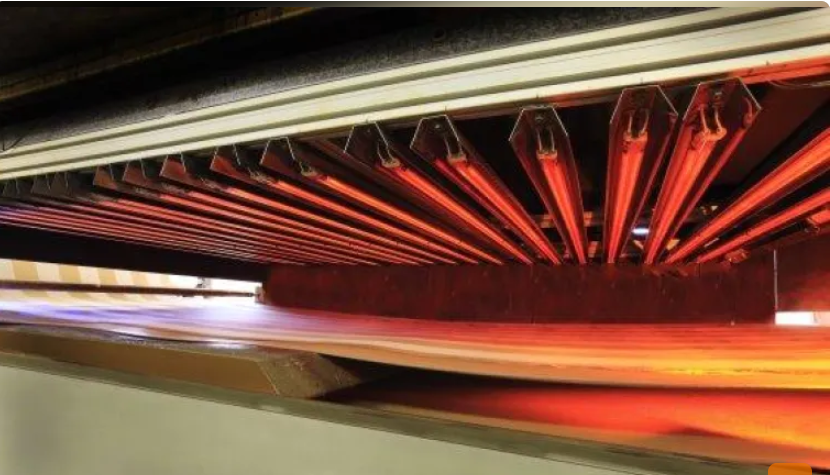
If you’ve ever run a textile drying line, you know it’s a brutal place for IR lamps. You’re heating damp fabric, which creates these massive clouds of steam. The problem is that steam doesn’t just vanish. It clings to the cooler parts of the heating module. Once that moisture hits the electrodes or the quartz envelope, things go south fast. You get arcing, or worse, your tubes just burn out way before they should. Here’s the thing: those tiny water droplets on the tube basically act like little lenses. They mess with the heat pattern, leaving “cold spots” on your fabric. But the real nightmare is when moisture seeps into the lamp ends. That leads to electrical leakage, especially in those high-humidity zones where the temperature jump between the lamp and the air is huge. We figured out a way to stop this. Instead of just letting the vapor settle on the quartz, we built a redirected airflow system right into the housing. It basically pushes the moisture away from the critical seal points. By keeping the dew point under control around the lamp ends, we kill the condensation cycle before it even gets a chance to start. Now, there are a couple of things to keep in mind. Adding this anti-fog shielding means the module takes up a bit more room. You can’t just slide these into a cramped chassis without double-checking your clearances first. Plus, because the system relies on airflow, you’ll want to make sure your blowers can handle the extra static pressure. When it comes to setup, use high-temp leads. Trust me, you don’t want your insulation melting. The best part? Since the quartz is actually protected, you aren’t spending your weekends swapping out burnt tubes. Just do me a favor and keep the air intake filters clean. If those clog up, the anti-fog system stops working, and you’re right back to square one with the moisture.