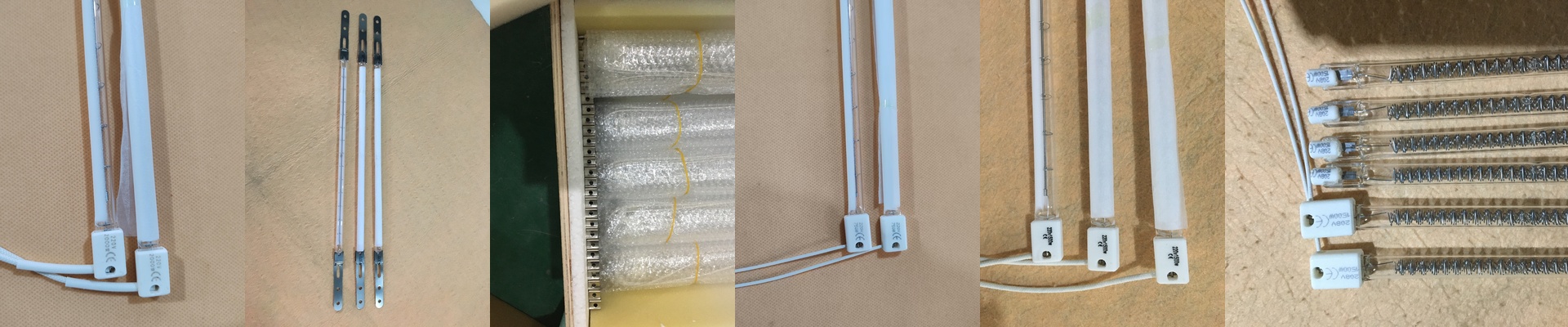
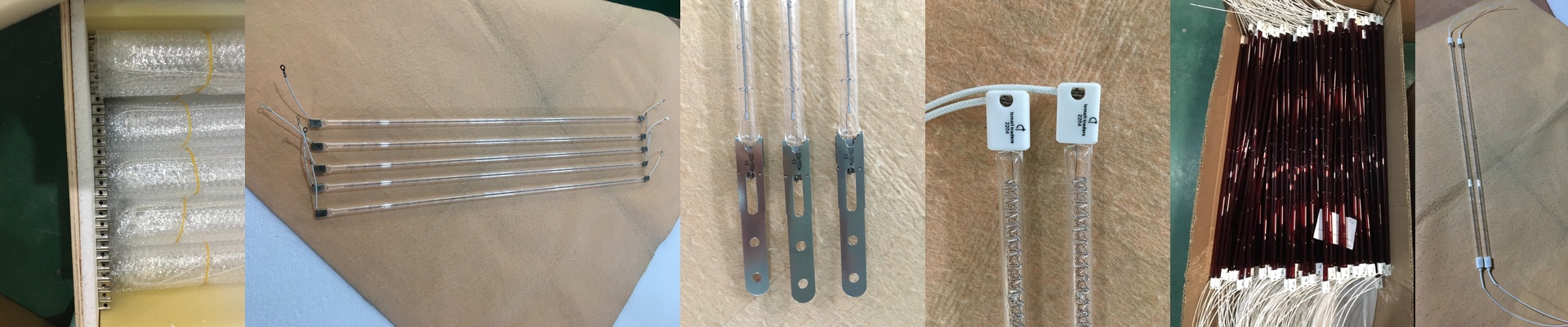
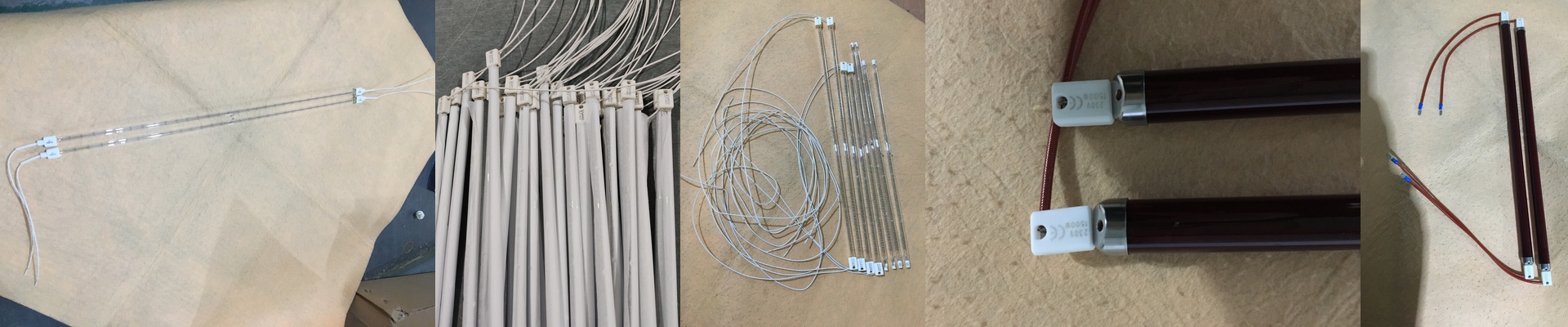
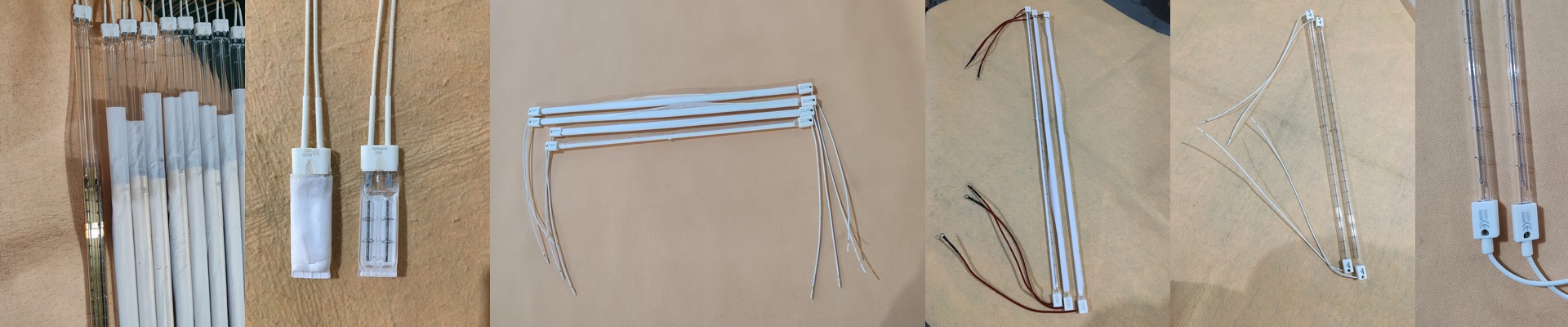
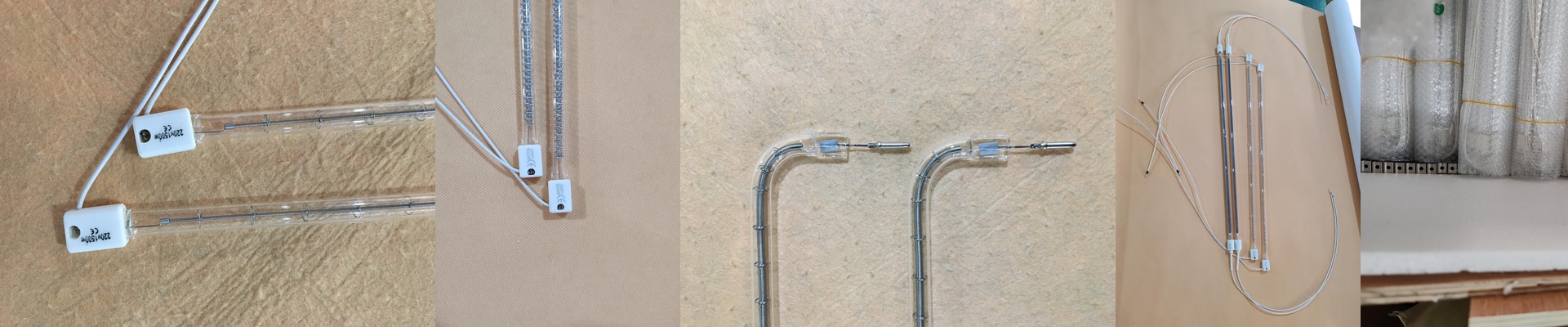
Let’s talk about SK15 Halogen Infrared Lamps
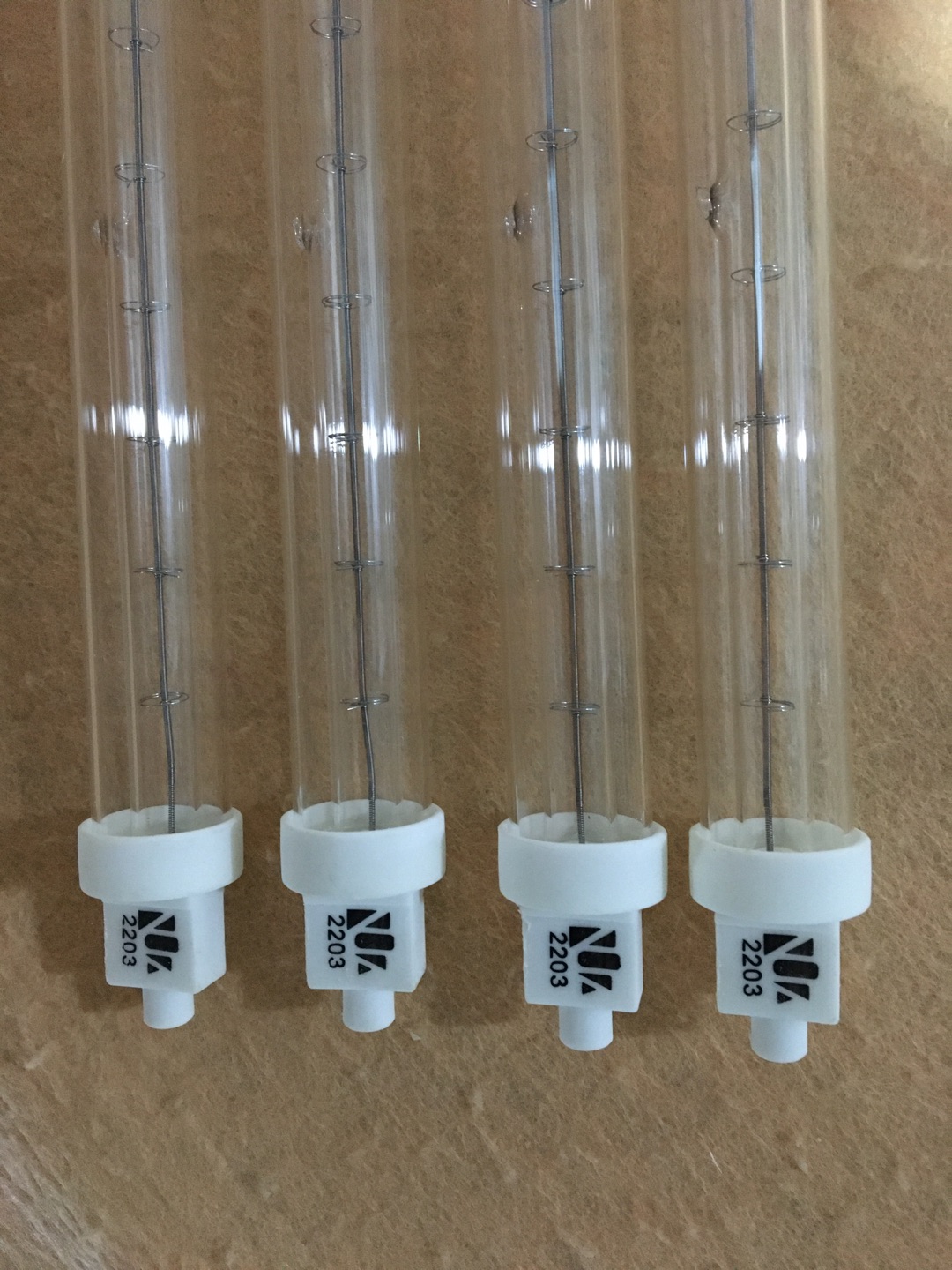
If you need heat—and you need it now—that’s where our SK15 lamps come in. These aren’t your typical slow-burn heaters. We’re talking about shortwave halogen emitters that hit their target temperature in a matter of seconds. Here is the secret sauce: we use a tungsten filament inside a quartz tube, but we add a halogen gas cycle. Basically, as the tungsten evaporates, the gas pushes it right back onto the filament. This keeps the lamp running longer and lets it get way hotter than a standard heater ever could. The nitty-gritty on power When you see “SK15,” that’s mostly about the end-caps and the pins. It’s the physical fit. Now, these things pack a punch. Because the power density is so high, you get an incredible burst of heat. But there’s a catch. That kind of intensity puts a lot of stress on the connector pins and the quartz glass. If you’re running a high-voltage setup to keep your current draw low, just double-check that your wiring and sockets can actually handle the heat. You don’t want your connectors melting because you pushed them too hard. Fitting them into your setup We stuck with the SK15 connector because it’s secure. When your machines start vibrating, the last thing you want is a lamp shifting out of place. The quartz glass is there to let that shortwave IR radiation fly through without getting blocked. Depending on what you’re doing, we can even add special coatings to the tube. Some protect the glass from gunk and contaminants, while others tweak the heat spectrum. If the footprint matches your current setup, you can just swap these in and get back to work. Where this actually matters You’ll mostly find these in things like PET bottle blowing or curing plastics. They’re perfect for softening polymers instantly without turning your entire machine frame into an oven. One quick tip: keep an eye on your PID controller settings. Because these lamps react almost instantly, a poorly tuned controller can cause the temperature to overshoot. If that happens, you’re looking at burnt-out filaments. Get the tuning right, and these things are a dream.