Let’s Talk About “Smart” IR Tubes in Powder Coating
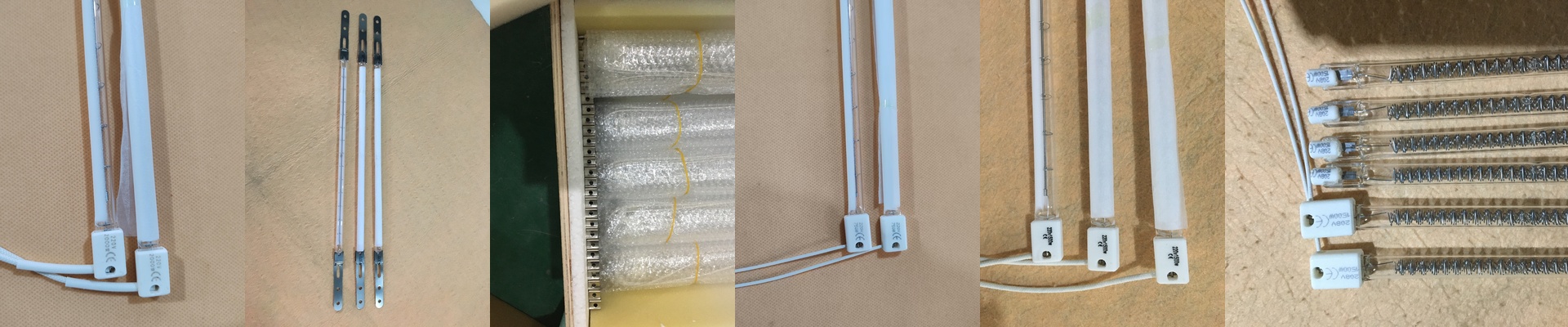
Most countertop heaters in the shop are pretty basic. You flip the switch, they get hot, and you just cross your fingers and hope the cure is even across the whole piece. It’s a lot of guesswork. But things are changing. We’re starting to see infrared tubes that actually “talk” back to you. And look, this isn’t about having a flashy screen to look at. It’s about knowing a tube is about to quit before your entire line grinds to a halt. The problem with the old way Standard IR tubes just sit there at a fixed wattage. If the voltage dips or the tube starts to wear out, your cure cycle drifts. You might not even notice until you start seeing rejects. The new smart tubes have sensors built right into the housing. They track the actual power draw and the surface temp in real-time. When that data hits your PLC, it’s like having a live heat map of your line. If there’s a cold spot, you’ll see it in seconds. No more guessing. The trade-off (because there’s always one) Here’s the catch: putting electronics next to something that hits 500°C is a recipe for disaster if you do it wrong. To make this work, we use shielded cabling and move the logic boards far away from the heat zones. You’ll probably need to beef up your control cabinet to handle all that data, too. Yeah, it costs more upfront than a basic R7s or Sk15 setup. But it beats the hell out of walking around with manual temperature probes all day. What this actually means for your floor The real win here is predictive maintenance. Instead of swapping out every single tube every six months—even the ones that are working perfectly—you only replace the ones that are actually flagging. It saves money and keeps the line moving. Just a heads-up: more sensors mean more things that can break. If your wiring isn’t built for high-heat environments, those “smart” parts will fry long before the quartz tube does. You’ve got to make sure the install is rugged, or you’re just buying expensive headaches.