Shortwave, Medium-wave, or Twin-Tube: Which IR Setup Actually Works for Your Metal?
When you’re putting together a powder coating line, you’ll hit a crossroads: Shortwave (SW), Medium-wave (MW), or Twin-tube. It feels like a technical detail, but it’s actually the thing that decides if your parts come out perfect or if you’re just wasting electricity. These lamps don’t just “heat things up.” They move energy in completely different ways.
The deal with wavelengths
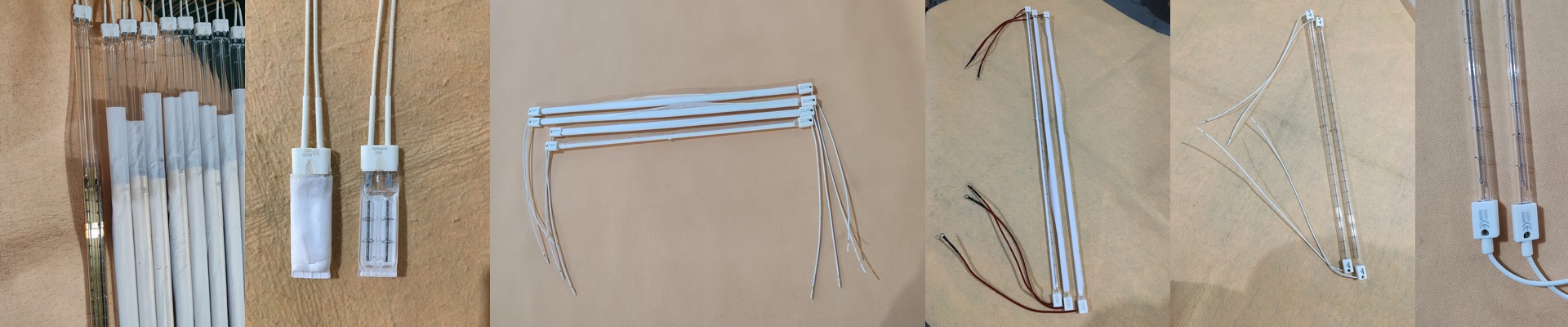
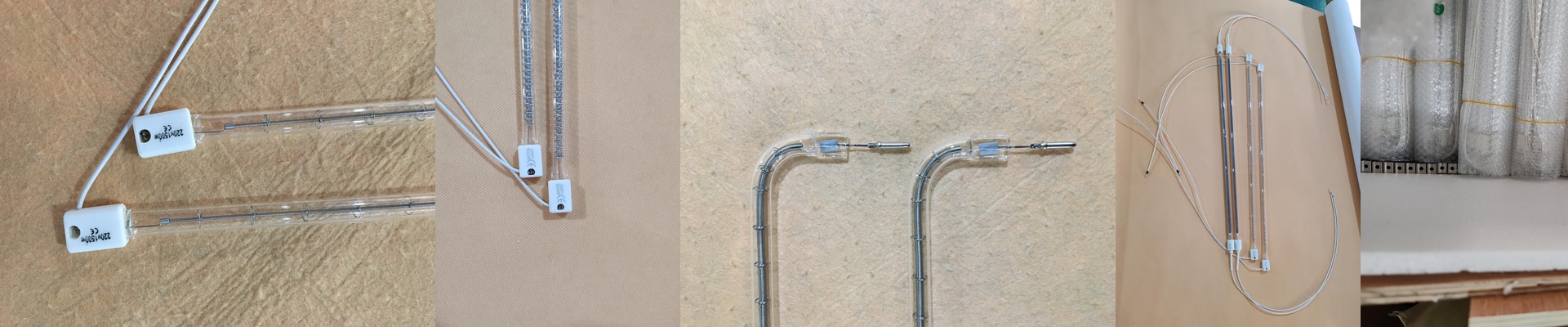
Shortwave lamps are like a sprint. They hit the metal surface fast and hard. You get a massive temperature spike almost instantly. I usually recommend these for “flash-offs” or when you’re dealing with thin-gauge parts that don’t need much soak time. But there’s a catch. SW lamps run hot. If your parts are too thick, you might accidentally scorch the surface before the middle of the metal even realizes it’s in an oven. Not a great look. Then you’ve got Medium-wave. Think of these as the steady marathon runners. The heat sinks deeper into the material. It takes a bit longer to get moving, but the heat is way more uniform. This is your best bet for heavy castings. It stops that annoying bubbling or peeling you get when the surface cures way faster than the core.
Why bother with Twin-Tubes?
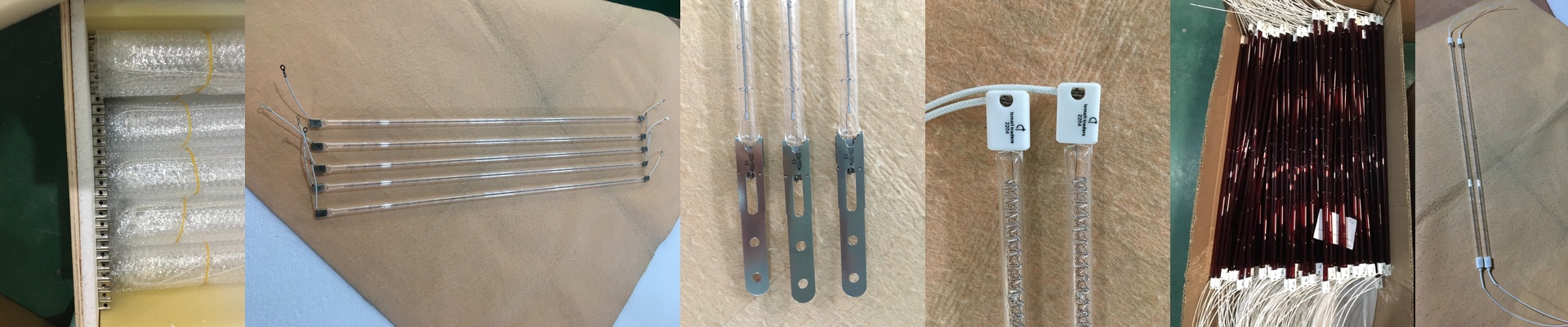
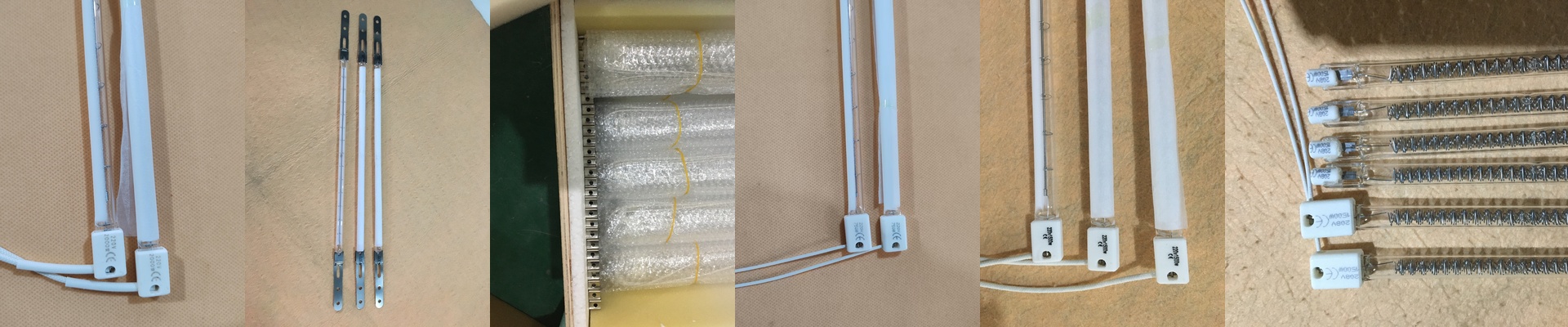
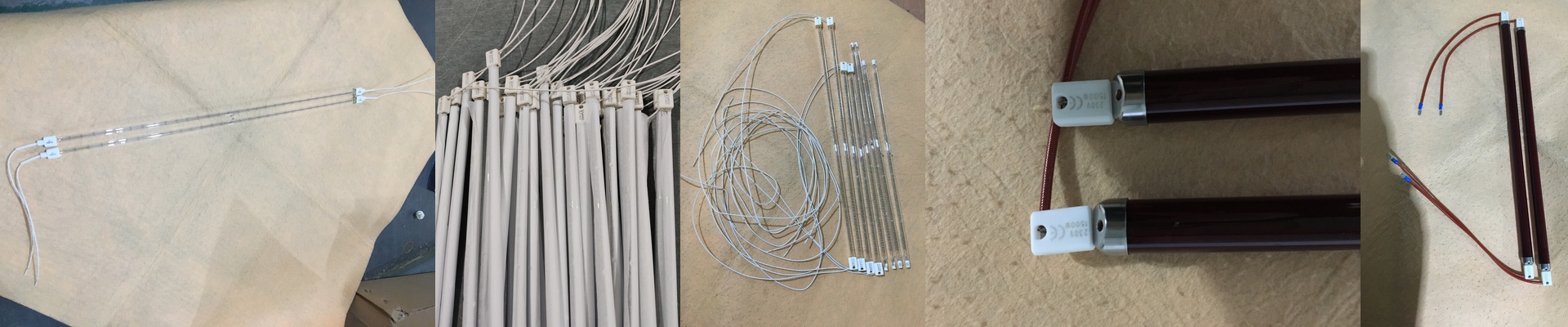
Ever notice “cold spots” in your cure? It happens a lot with single-tube setups. Twin-tube structures fix that by doubling the emitting surface in the same amount of space. We offset the heat sources to create a radiation pattern that actually covers the conveyor belt evenly. It means you don’t have to over-bake the edges of your parts just to make sure the center is actually cured. It just feels… balanced.
The real-world trade-offs
Look, there’s no magic lamp that does everything. High-wattage SW tubes give you incredible heat density, but they’ll hammer your power supply. You also have to be on top of your PID controls, or you’ll overshoot your temp and ruin a batch. Twin-tubes boost your output, sure, but they make the wiring a bit more crowded and replacing them is a slightly bigger chore. If you’re running a high-volume line and your parts vary in thickness, don’t feel like you have to pick just one. A hybrid setup—using MW to soak the part and SW to lock it in at the end—is usually the smoothest way to run things.