Getting the Heat Right in Textile Processing
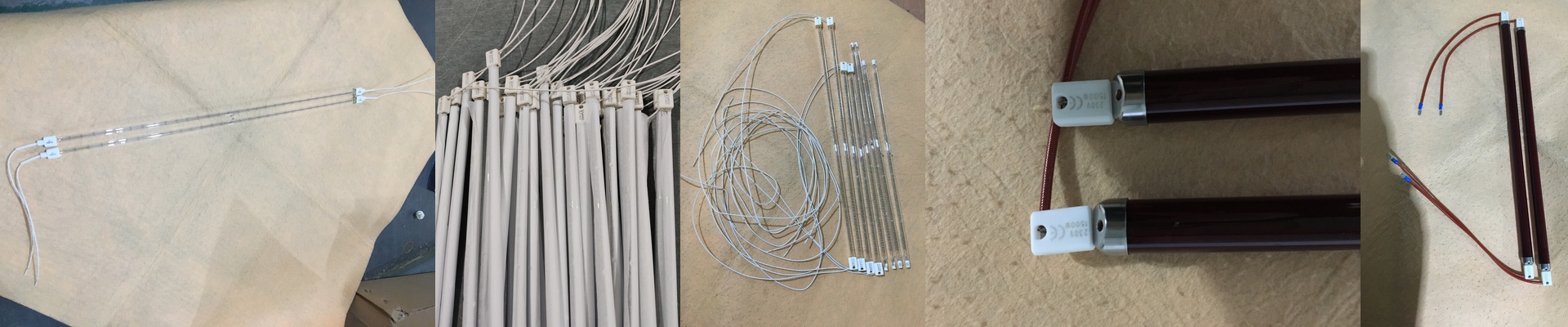
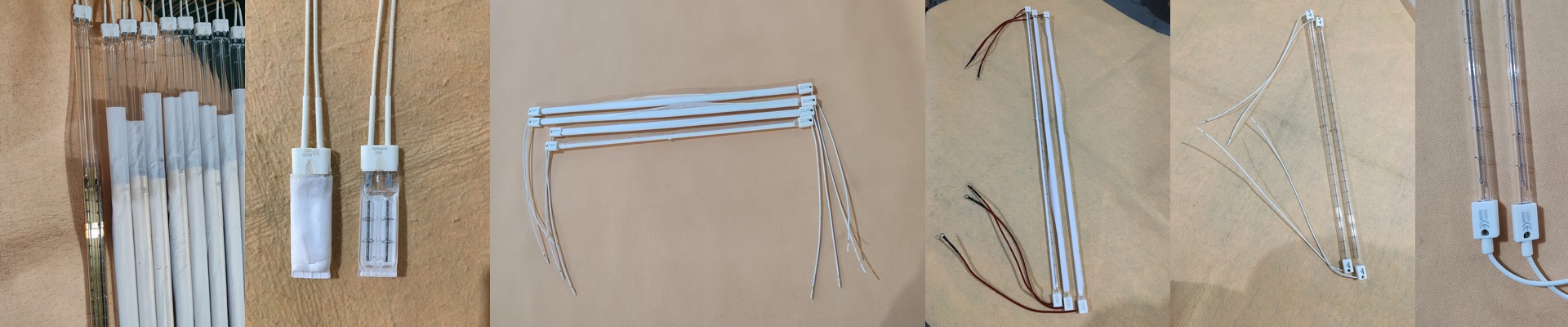
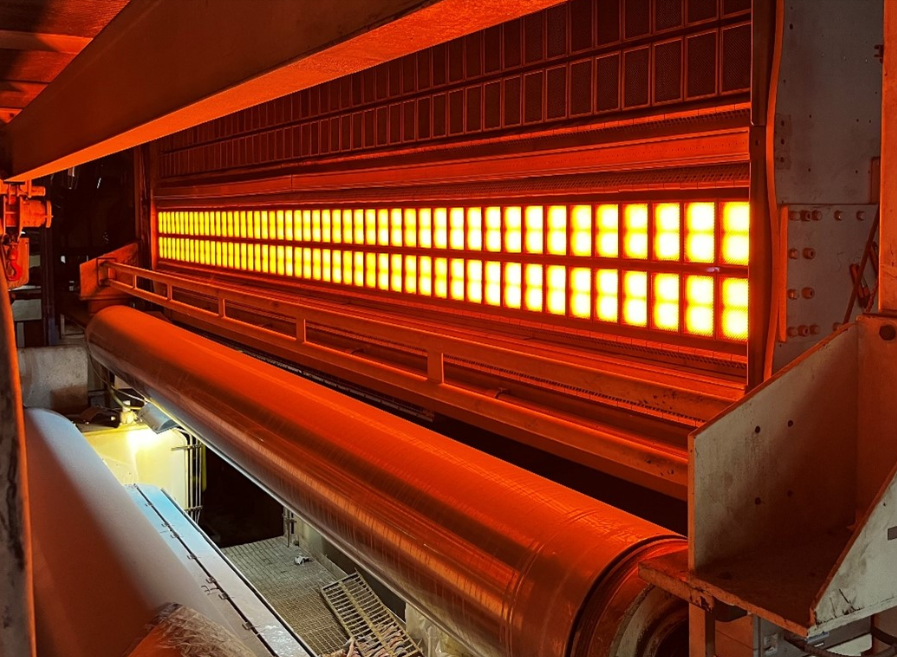
Heating fabric is a bit of a tightrope walk. You want it to heat up fast, but you don’t want to accidentally scorch the fibers and ruin the whole batch. That’s why we build our infrared lamps to hit exactly where they need to, soaking into the material—whether it’s synthetic or natural—without frying the surface.
Power, Voltage, and the “Thermal Punch”
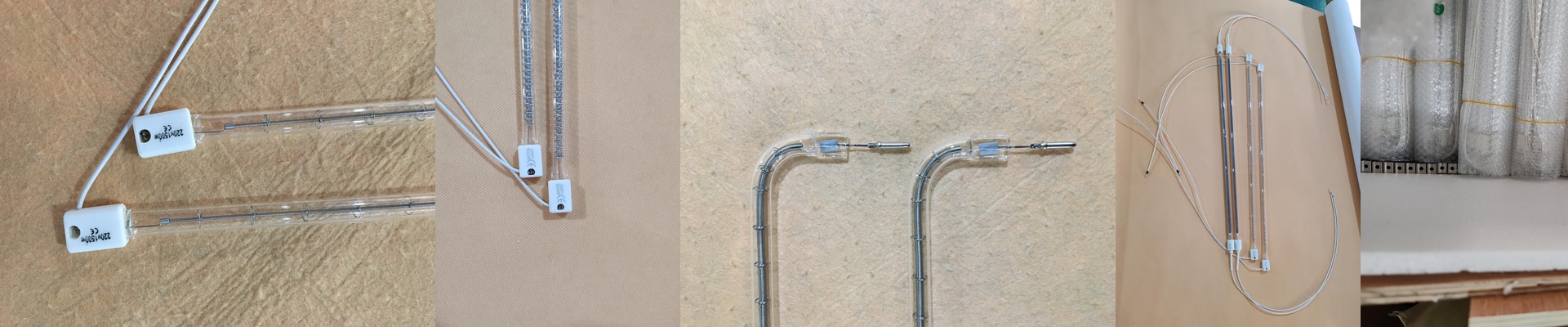
We don’t believe in one-size-fits-all. We spec these lamps based on the actual size of your oven. If you’re running a high-speed line, you need a serious “thermal punch” to set the fabric the moment it passes through. To get that, we use higher voltage configurations to cram more wattage into a shorter tube. It’s powerful. But keep in mind: pushing that much heat into a small space puts a lot of stress on your power supply. Make sure your circuit is stable, or you’ll be replacing burnt-out lamps way too often.
The Hardware: Quartz and Wavebands
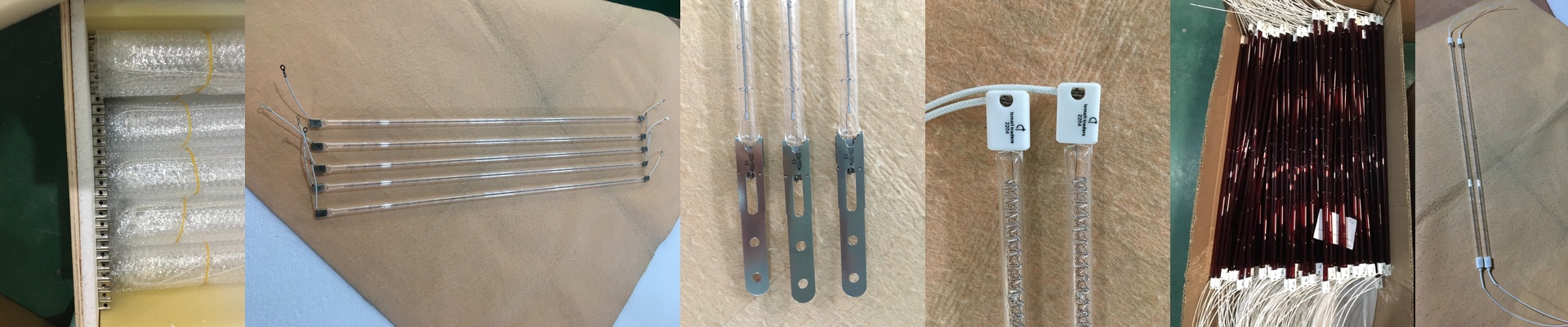
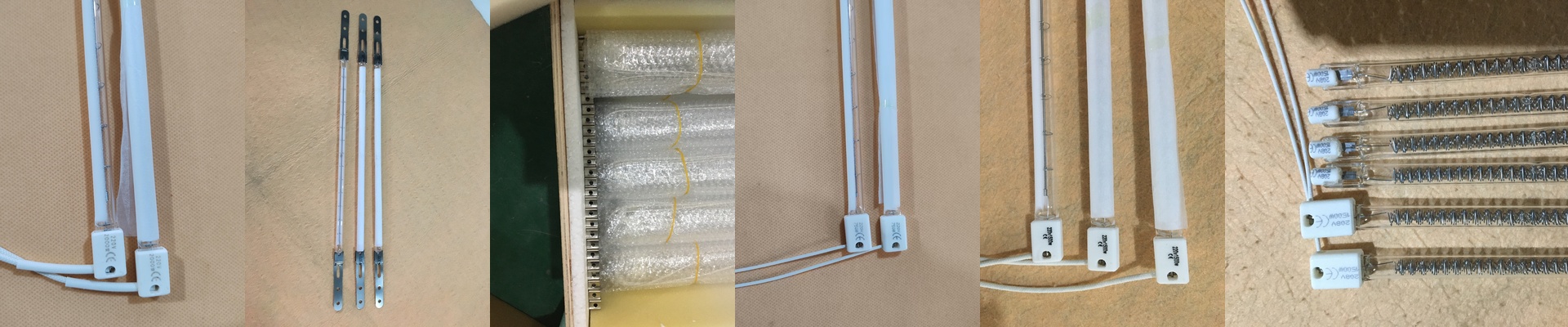
We use high-purity quartz glass for the filaments. Why? Because these lamps go through constant cycles of heating up and cooling down. Cheap glass cracks; our quartz just handles it. Depending on what you’re drying, the “type” of heat matters. Short-wave lamps hit the surface instantly—perfect for quick drying. Medium-wave lamps dig deeper, which is what you want for those thick, heavy weaves. And don’t worry about the installation. We use standard R7s or Sk15 connectors. They’re basically drop-in replacements for most industrial frames, so you can get them wired up and running without hunting for custom adapters.
A Few Reality Checks
Here’s the thing: these lamps are intense. They aren’t exactly “set it and forget it.” If your conveyor belt jams while the lamps are still cranking, you’ll burn a hole straight through your fabric in seconds. It’s a nightmare. To stop that from happening, you really need a kill switch linked to the conveyor or a PID controller to keep the power in check. One last tip: check your reflectors every few months. If they get dusty or grimey, you lose about 15-20% of your efficiency. That forces the lamps to run hotter just to do the same job, which kills their lifespan faster. A quick clean saves you a lot of money in the long run.