A No-Nonsense Guide to Our 230V Halogen Heating Elements
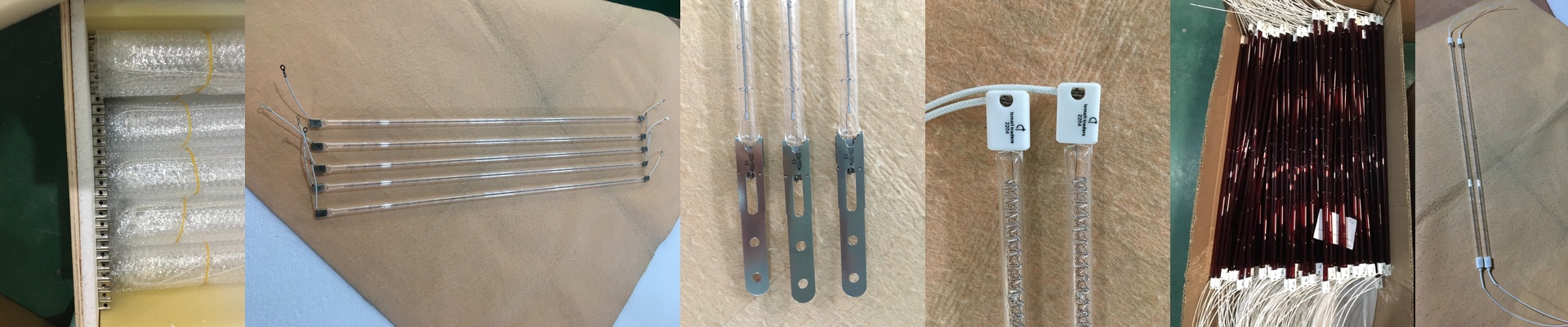
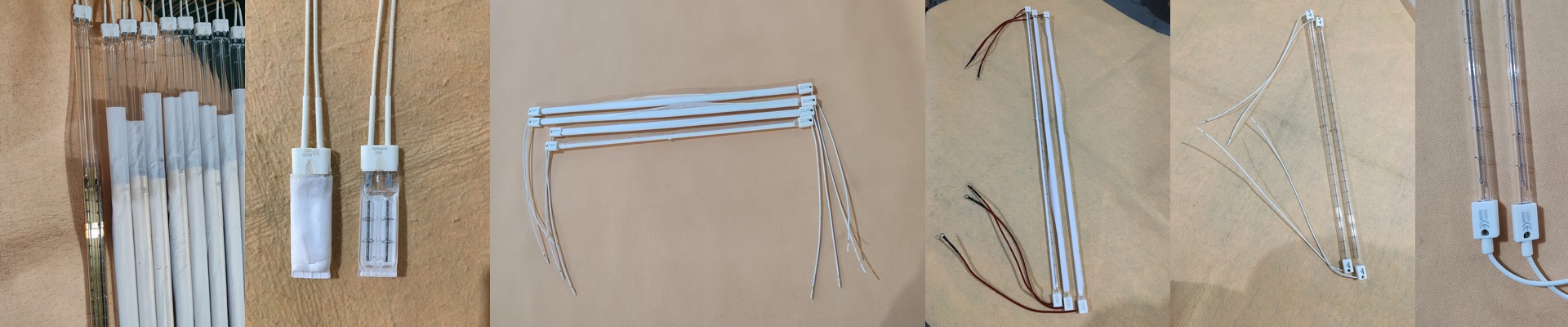
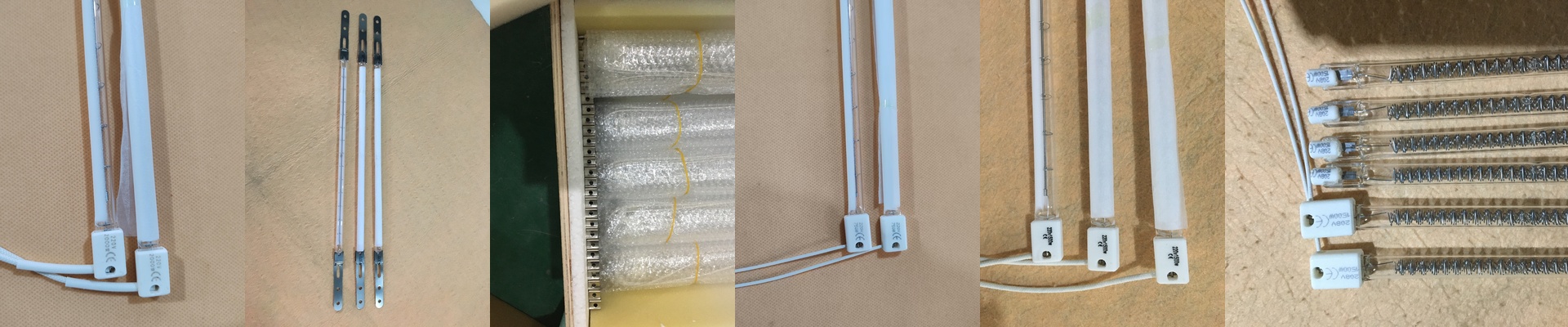
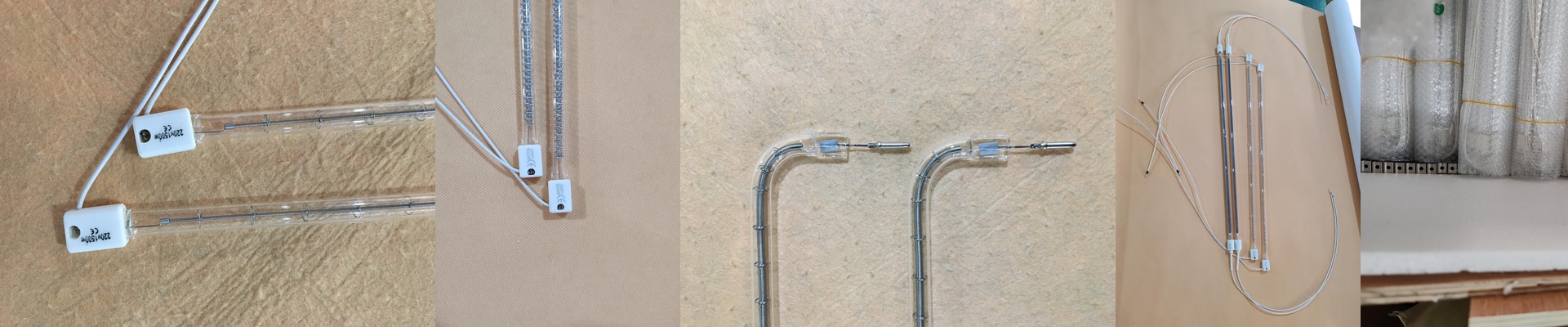
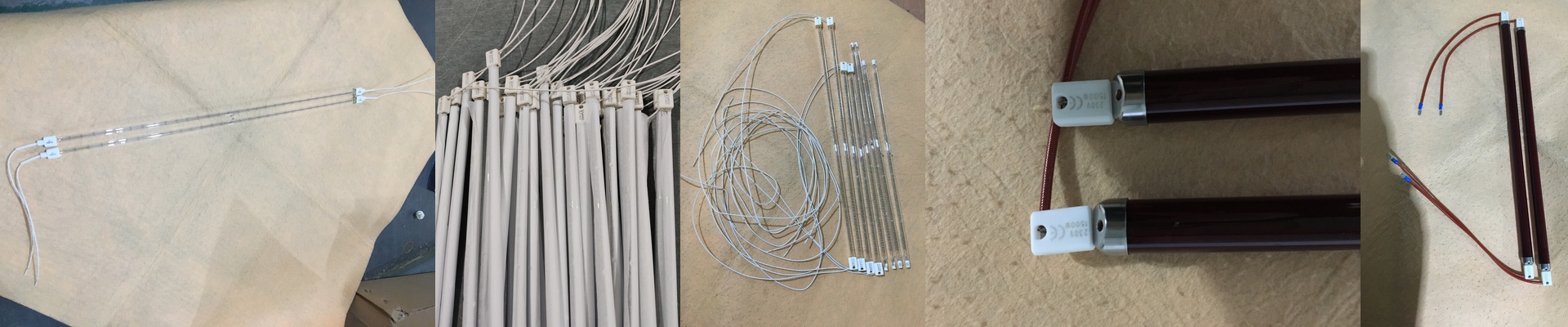
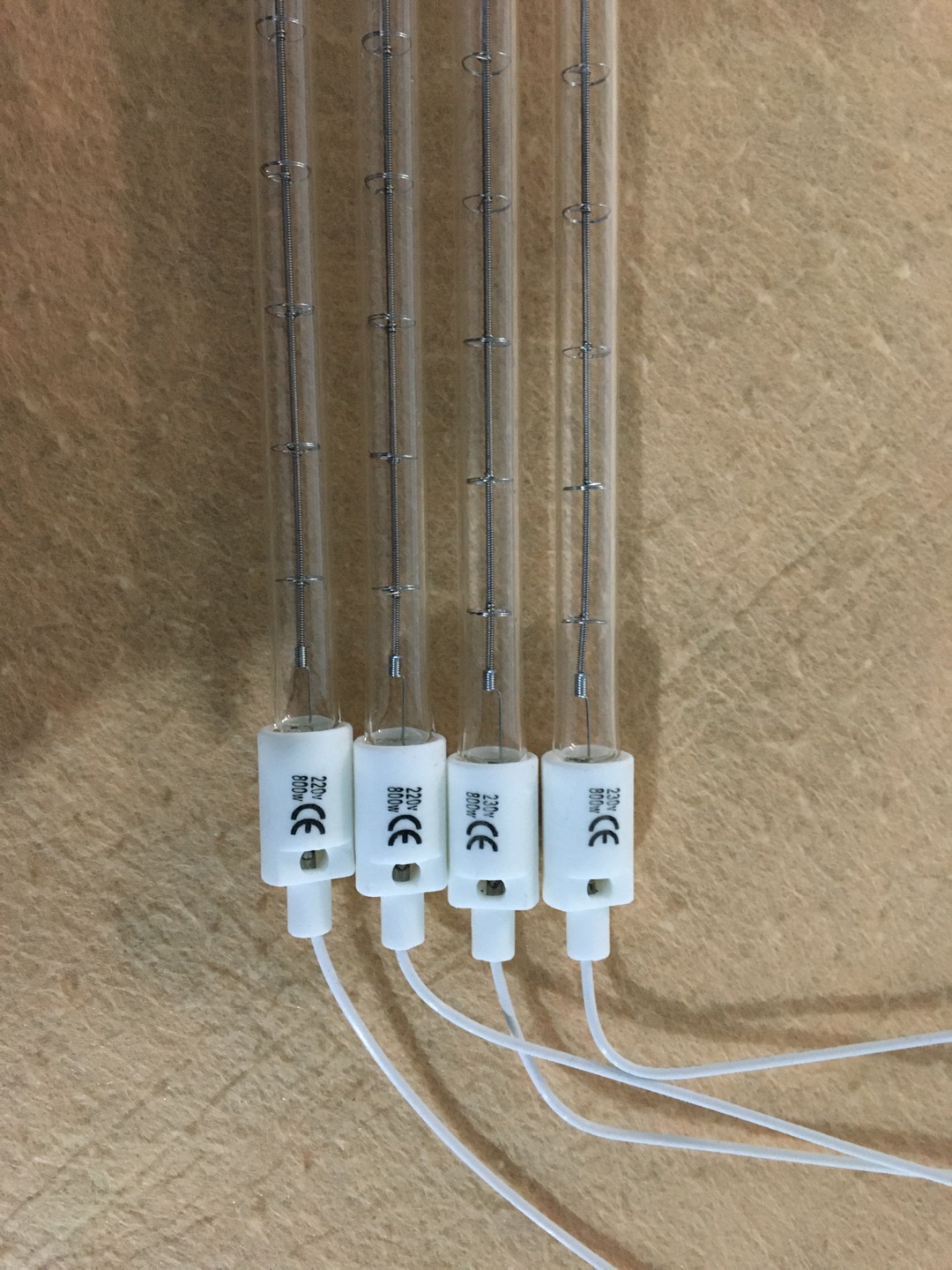
Let’s talk about these 230V halogen lamps. We’ve built them to work with a standard power supply, and we offer a huge range—anywhere from 35W up to 1000W. Why so many? Because every project is different. Maybe you’re just putting together a tiny curing station, or maybe you’re building a massive industrial heater. Either way, you can pick the exact heat level you need. Picking your power The best part about the 230V setup is that it just works. You don’t have to mess around with bulky transformers or complicated wiring. If you go with the 1000W lamp, you’re getting some serious, intense heat that hits the surface fast. But if you need something a bit more gentle, the 35W or 400W versions are your best bet. Just a heads-up: be careful with your wattage. If you use a high-power lamp on a thin material, you’re going to end up with scorched edges or warped parts. Not a great look. The build and the fit We use quartz glass for these. It has to be, because the tungsten filament gets incredibly hot. For the smaller setups, we use the GU10 base. It’s a simple twist-lock. It feels solid. More importantly, it won’t vibrate loose when your machinery is humming along. For the big 1000W units, we use a linear shape to spread that heat out over a larger area. Putting them to work These are basically drop-in replacements for most standard halogen arrays. They heat up almost instantly. No more standing around waiting for a warm-up cycle. But here’s the thing… that 1000W model is a beast. It puts a lot of stress on whatever housing you put it in. Make sure your reflectors are sparkling clean and your ventilation is actually doing its job. If you just plug these in without a proper way to sink the heat, you’ll burn out your filaments way faster than you should. Keep them cool, and they’ll last.