Let’s Talk Industrial Halogen Lamps (And How to Actually Pick One)
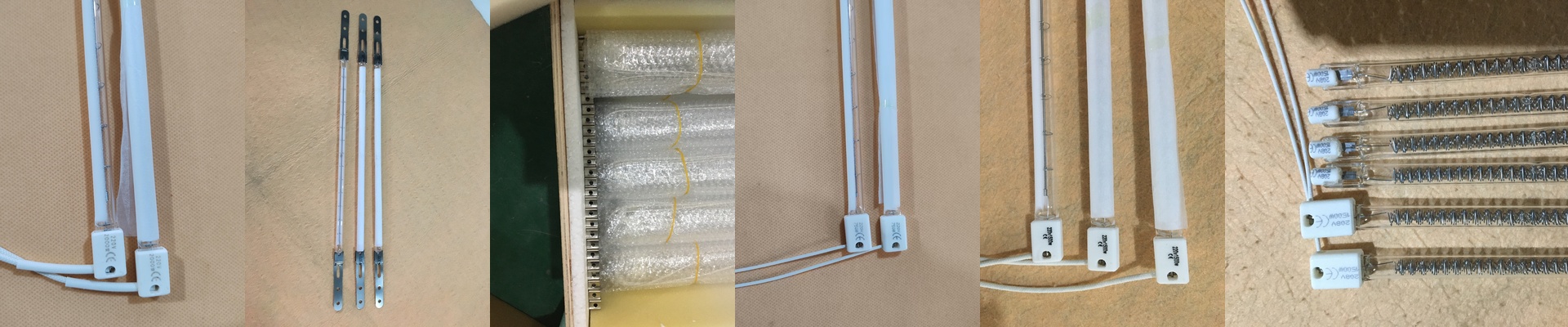
Look, these aren’t your living room light bulbs. We build these tubes to do one thing: turn electricity into raw, short-wave infrared heat. If you’re running a manufacturing line, you need heat that hits hard and hits fast.
The Power Stuff: Voltage and Heat
When you’re looking at the specs, the voltage and wattage are basically the “throttle” for your heat. High wattage means the lamp ramps up almost instantly. Think about PET blowing or plastic welding. You don’t have time to wait around; you need that material to hit its melting point in a couple of seconds, or the whole process fails. But here’s the thing:**you have to get the voltage right.**If it doesn’t match your transformer, you’re looking at one of two headaches. Either the lamp barely gets warm, or you’ll blow the filament and be replacing the tube way sooner than you should. If you’re using really long tubes, going with a higher voltage helps keep the heat steady from end to end.
Quartz and Connections
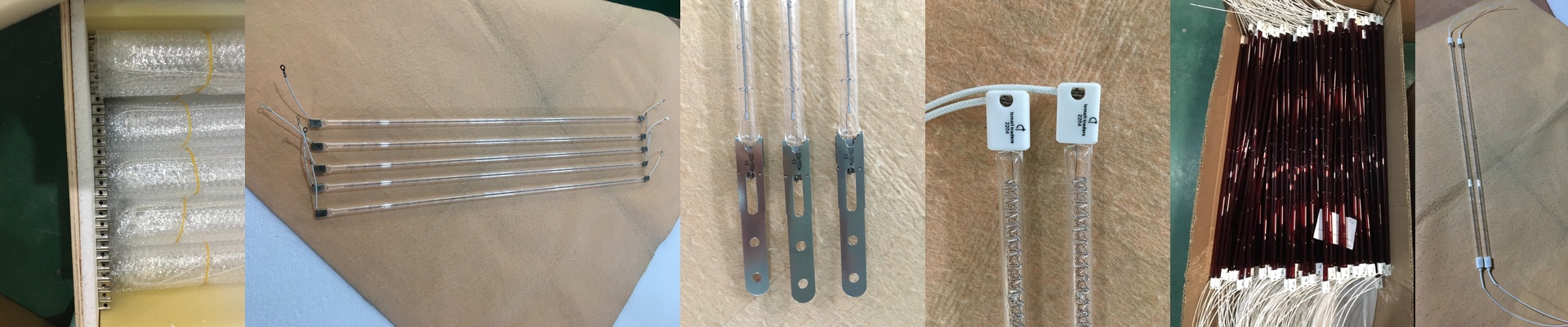
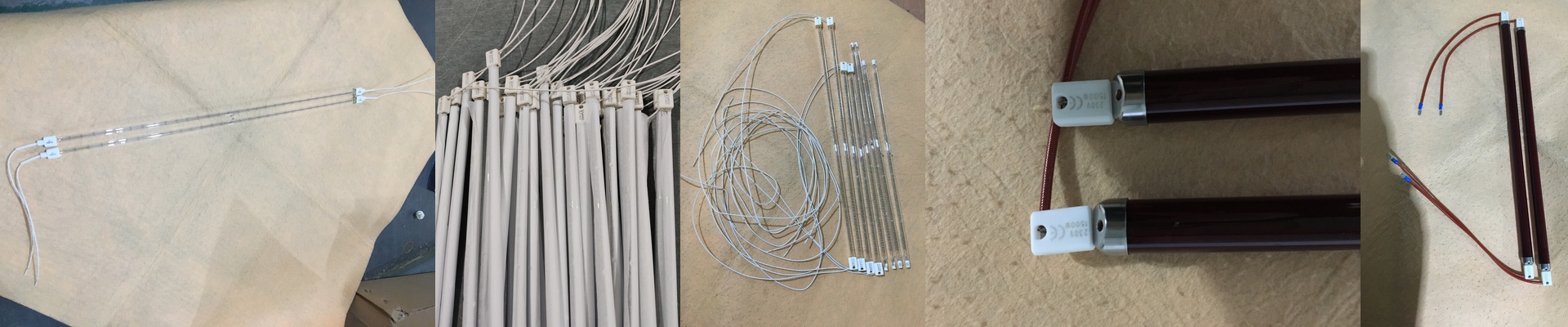
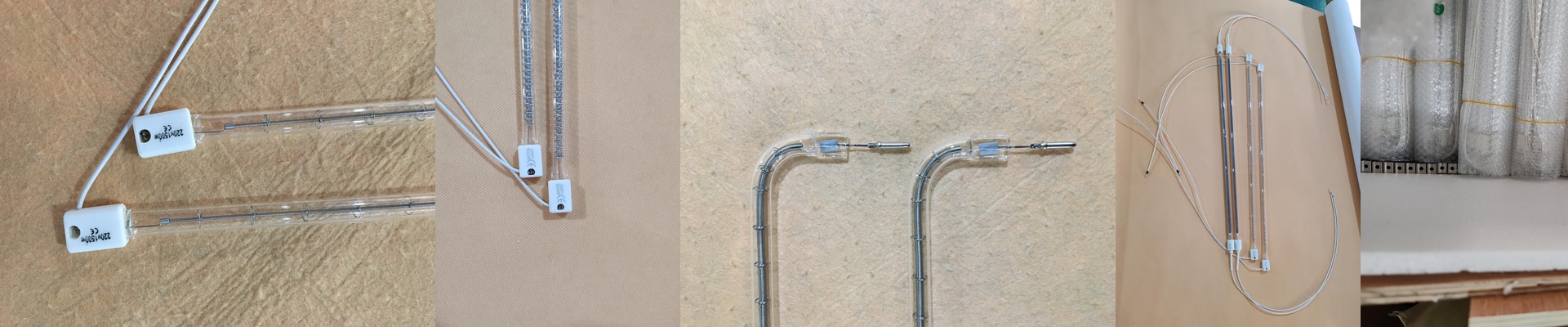
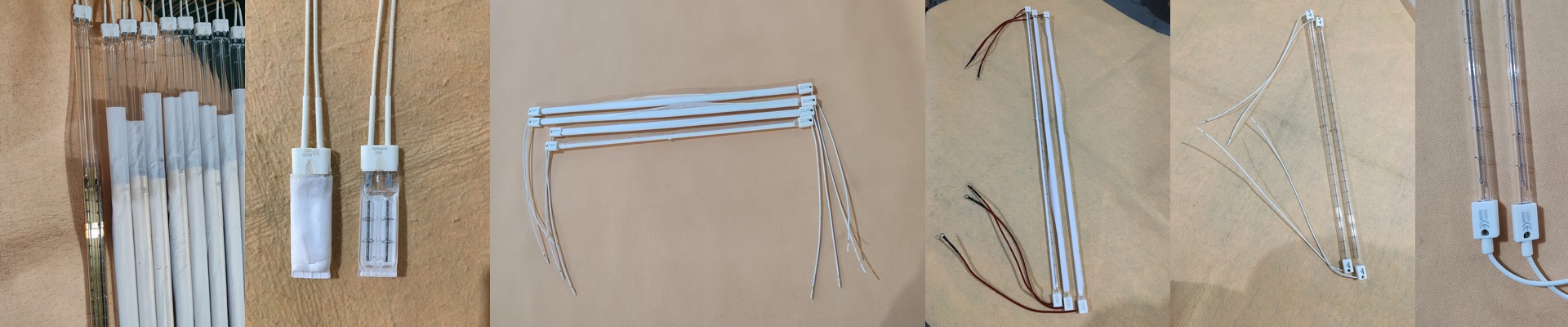
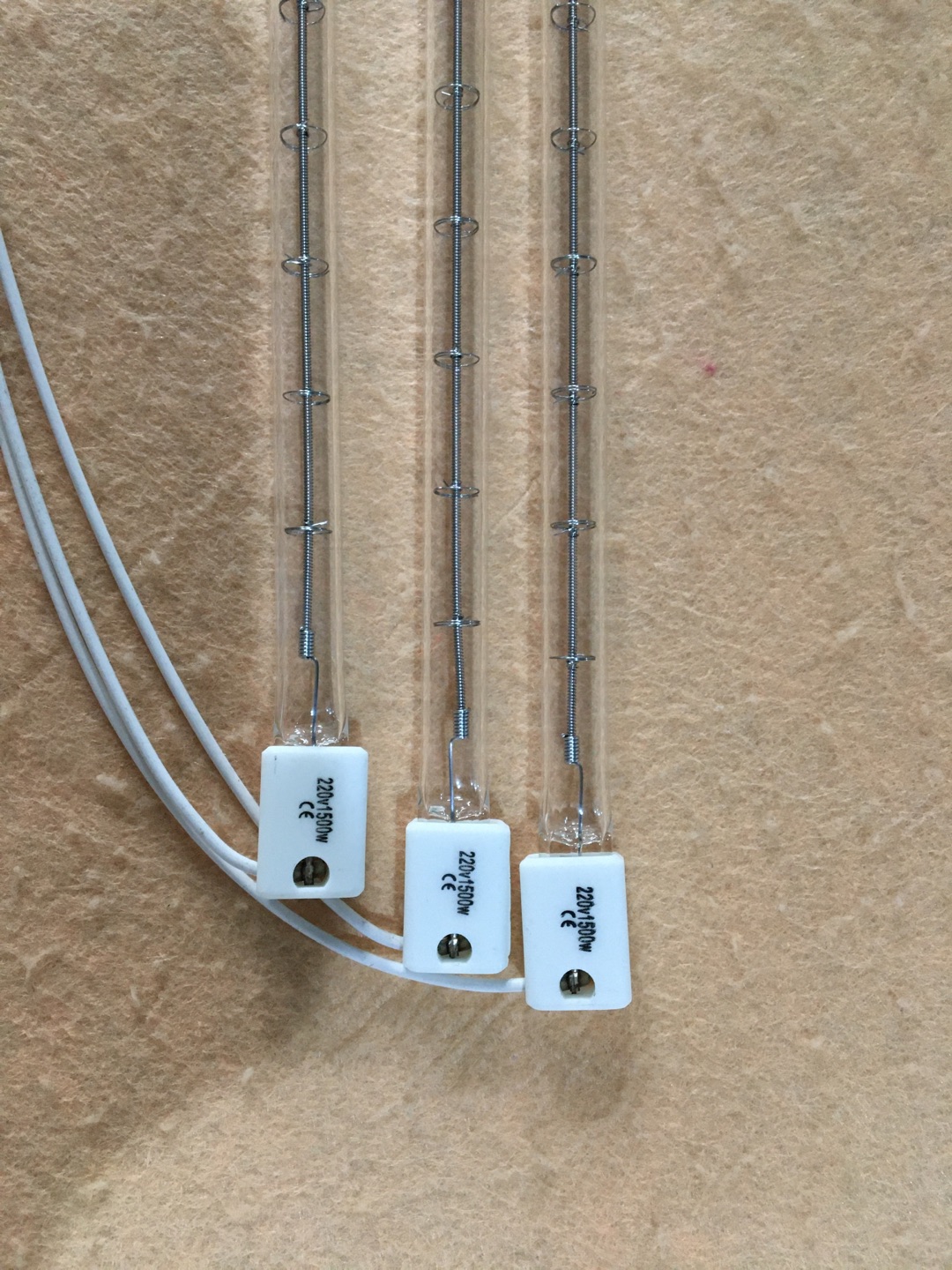
We use high-purity quartz because, frankly, the inside of these lamps is a violent place. Between the pressure and the heat, anything less would just crack. Some of our tubes have special coatings. These aren’t for looks—they actually change how the heat travels so it sinks deeper into whatever material you’re heating. Then there’s the wiring. You’ve probably seen R7s, SK15, or those custom pinch-wires. *R7sis your go-to for a quick swap in a standard heater. *SK15is better if you’re cramped for space or if your machinery shakes a lot.
The Trade-offs
Here is the reality: these lamps are incredibly effective, but they runhot. If you cram a 2500W tube into a housing that’s too small, you’re going to have problems. You might warp your reflector or fry a nearby sensor. Just make sure your cooling system can actually handle the heat soak. And a quick tip for those of you ordering in bulk:**double-check your measurements.**I mean really check them. Even a tiny 2mm difference in the footprint can mean the lamp doesn’t seat right. That leads to electrical arcing, and nobody wants that.