Getting the heat right for your Reggiani machines
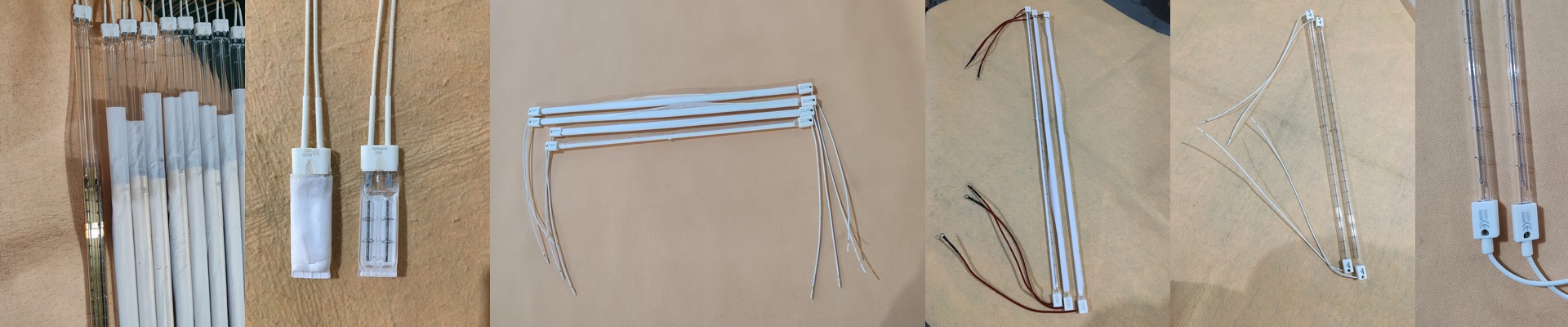
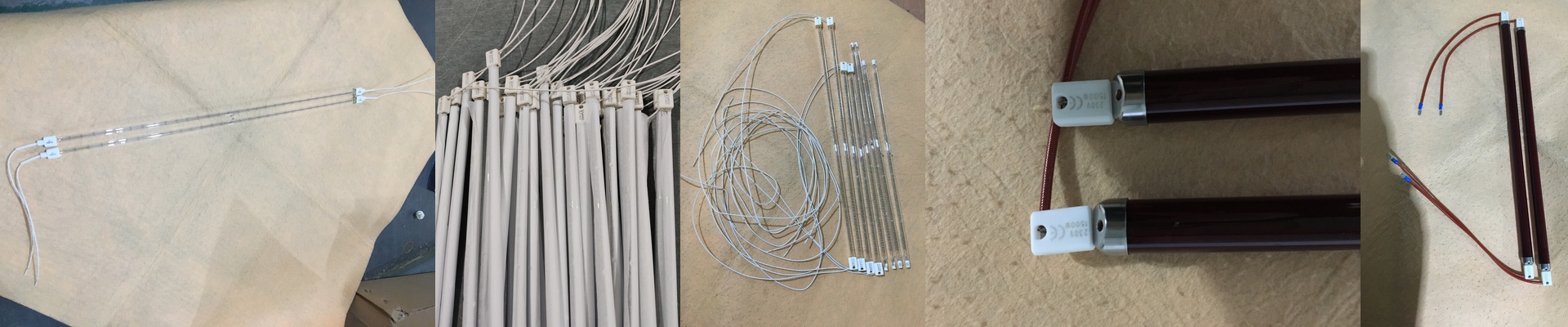
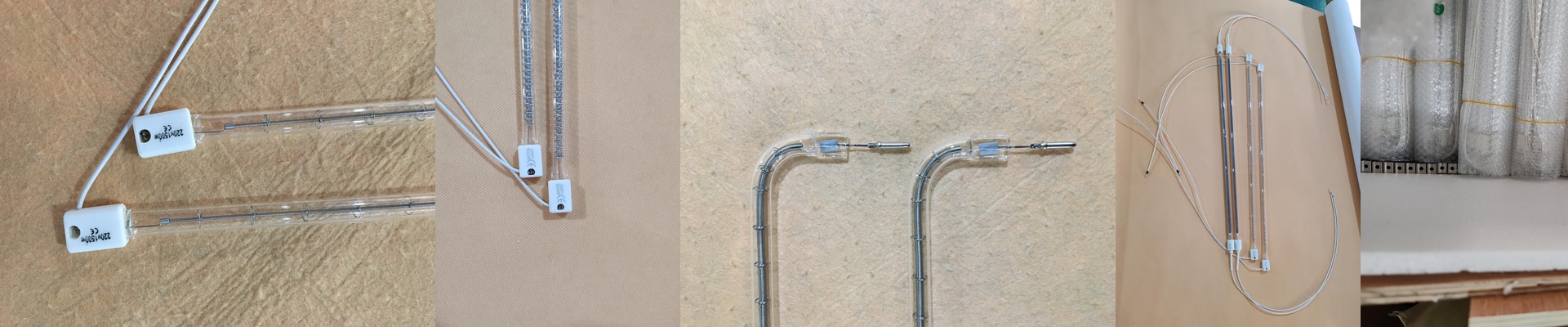
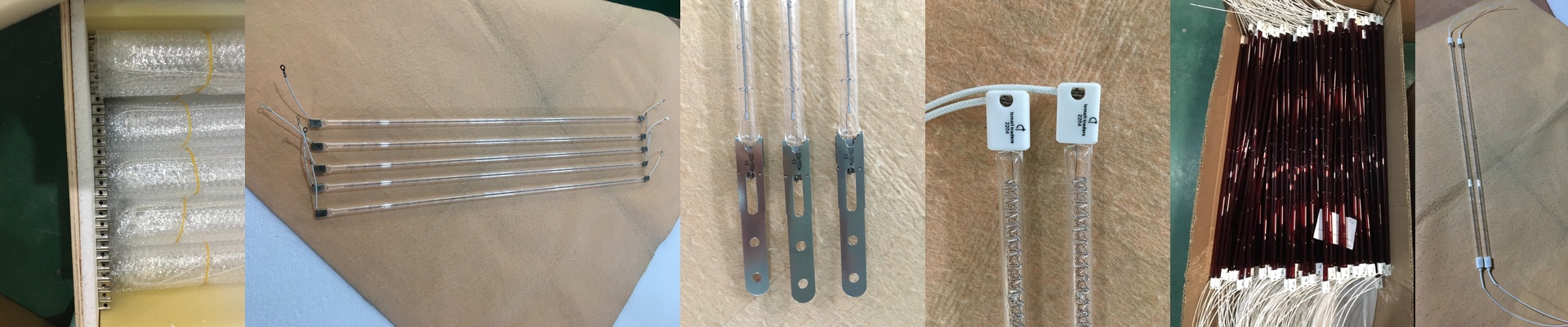
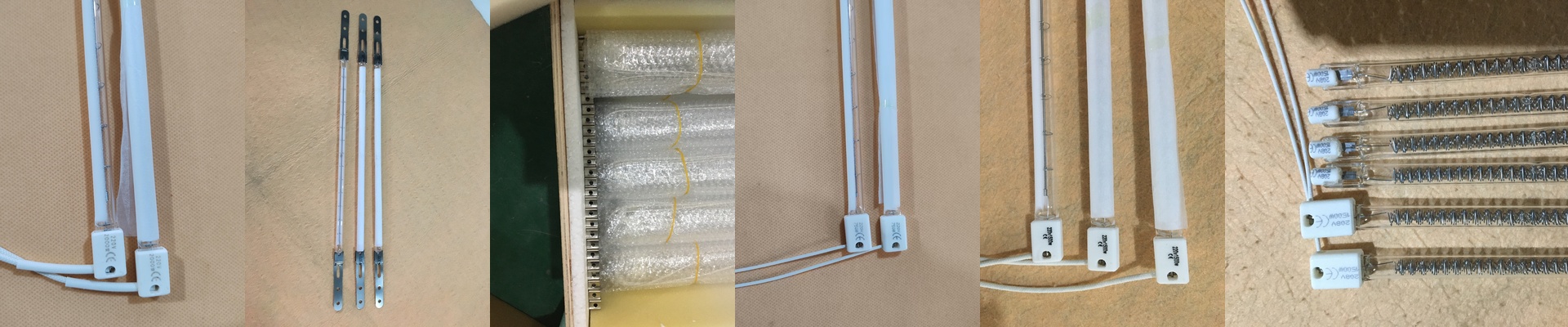
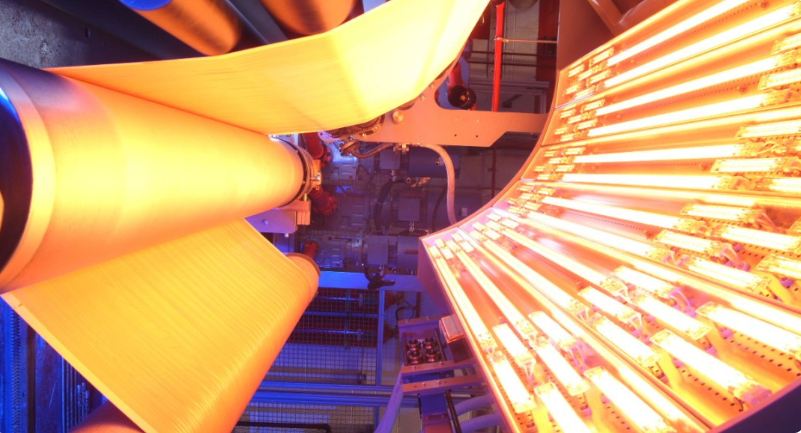
If you’ve worked with Reggiani machines, you know the struggle. You need enough heat to lock in those dyes and dry the fabric fast, but one wrong move and you’ve scorched the whole batch. It’s a tightrope walk. We spent ten years obsessing over this. We basically tore apart the original specs to build a replacement lamp that does exactly what the factory gear does—without the factory price tag. The power side of things Textile curing is all about raw heat flux. You need a massive amount of energy hitting the fabric in a very short window. That’s why we push the wattage and voltage higher. When the voltage is dialed in, the heat stays concentrated. This is the secret to cranking up your machine’s speed without worrying about damp fabric coming out the other end. But here is a pro tip: check your reflectors. If your mirrors are cloudy or pitted, you’re basically throwing away 30% of your energy. It doesn’t matter how good the lamp is if the mirror can’t push the heat downward. Why the build matters We use heavy-wall quartz glass. Why? Because when these things get hot, cheap glass bows. Once it bends, your heat pattern goes sideways. We also use a halogen cycle. This stops the tungsten from gunking up the inside of the glass, so the light stays clear for thousands of hours. Plus, we spent a lot of time on the end-caps. They just slide right into your existing sockets. No rewiring, no headaches. Real-world reliability Industrial shops are brutal. Dust, vibration, heat—it’s a lot. Most lamps fail because the seal between the quartz and the lead wires leaks. Once the gas escapes, the lamp is toast. We tightened those tolerances to make sure our lamps last as long as the big-name international brands. They fit your Reggiani footprint and keep the IR spectrum steady. One last thing: if you’re pushing your machine to the absolute limit, keep an eye on your cooling fans. If they’re clogged with lint, your sockets will melt. And that’s a mess nobody wants to clean up.