Stop Waiting on Your Carbon Fiber to Cure
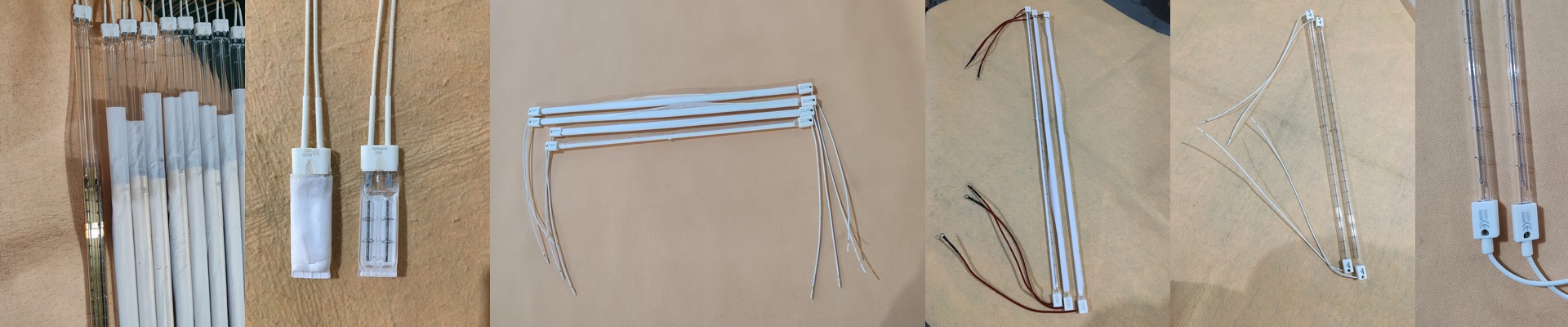
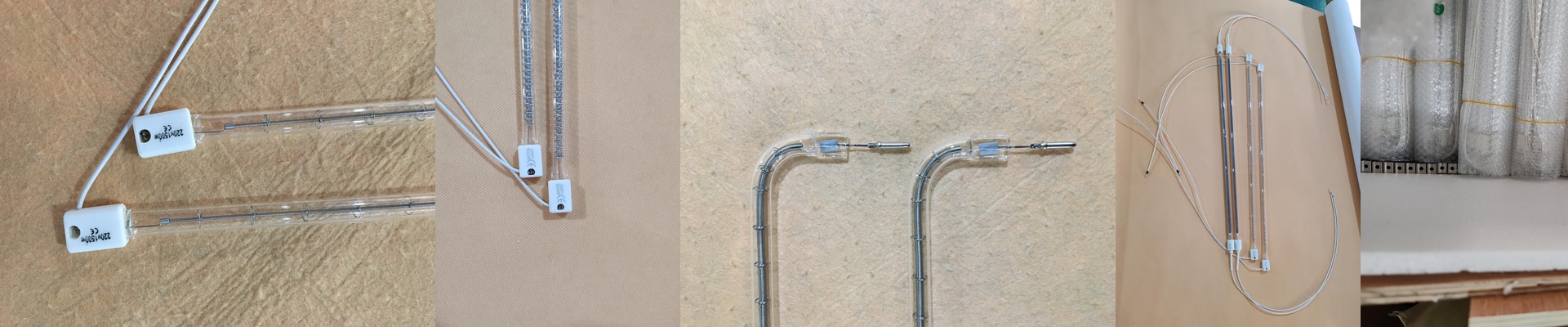
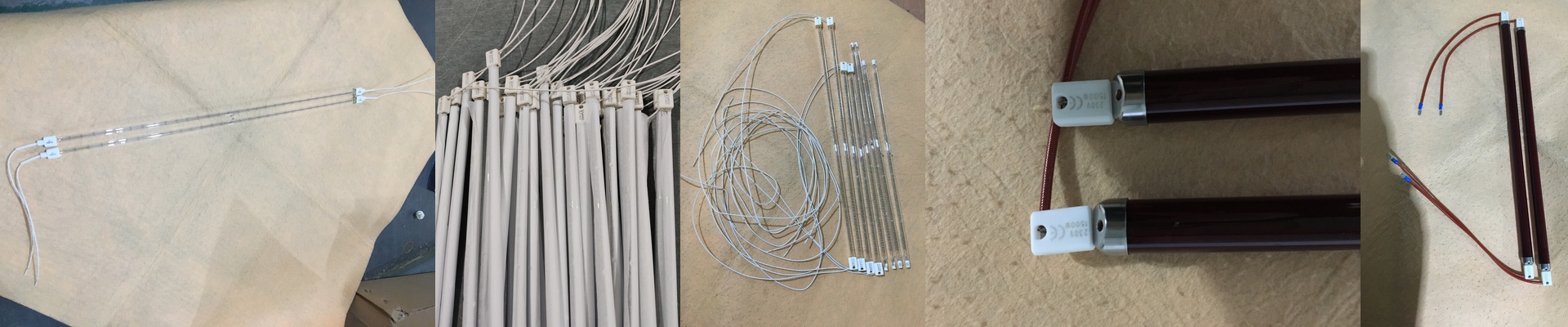
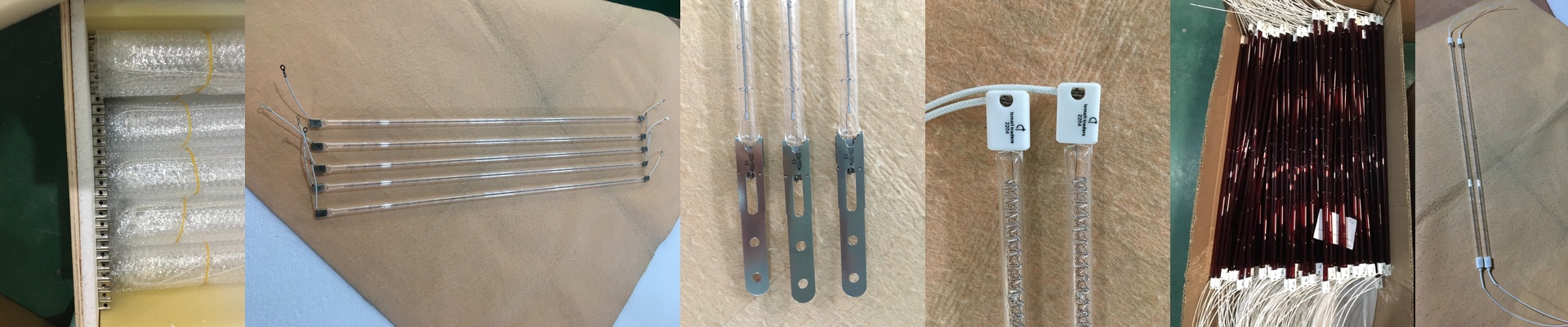
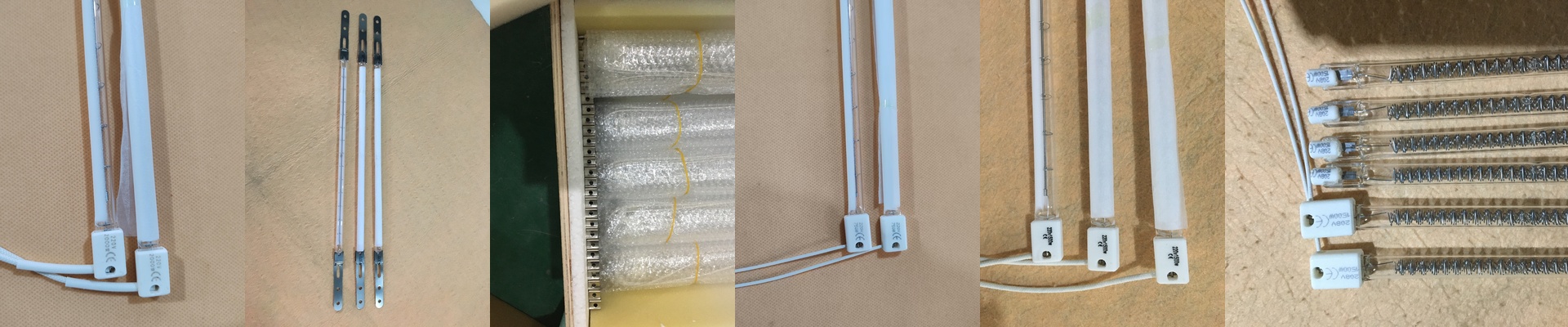
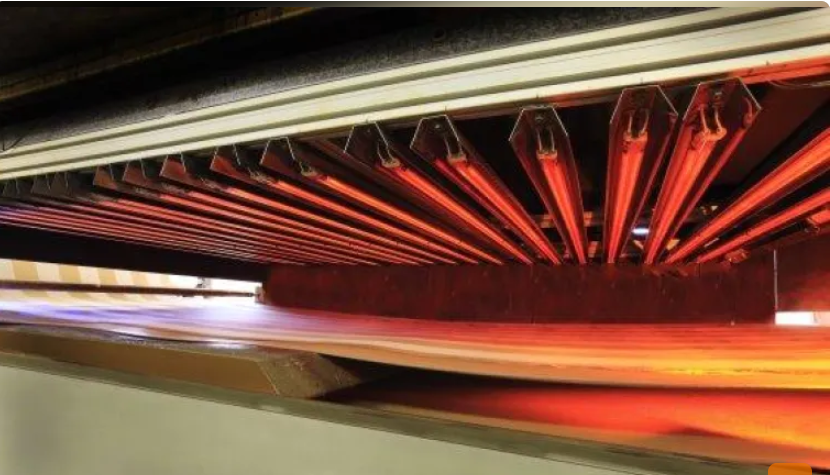
Let’s be honest: waiting for high-end carbon fiber to cure in a traditional oven is a drag. It takes forever, and you’re always crossing your fingers that the resin actually spread evenly. It’s a bottleneck that slows everything down. That’s why we build custom infrared (IR) lamps. We focus on hitting those high-intensity heat levels you need to blast through cure cycles without sacrificing the strength of your textiles. The Power Stuff If you want real performance, you can’t be timid with the wattage. You need a lot of power packed into a small space. We set up these lamps with high-voltage configurations to drive maximum density. The goal? Get that IR energy deep into the carbon weave so the resin snaps into place almost instantly. It makes your throughput move a lot faster. Just a heads-up: this kind of heat is intense. It’ll put a strain on your power supply, and you’ll definitely need a cooling system that can keep up with the heat building up around the housing. Why Shortwave and Quartz? We stick with shortwave IR emitters because they just “get along” better with the polymers in composite resins. The quartz envelopes are the real workhorses here. They’re built to handle the shock of being flipped on and off constantly without cracking. Plus, we often add special coatings to the tubes. This makes sure the heat actually hits your fabric instead of just warming up your conveyor belt. These things are built to take a beating in a shop that runs 24/7. Getting It on Your Floor We don’t want you spending a weekend rewiring your whole shop. We offer a bunch of connector options so these can just slide right into your current rigs. Whether you need a weird length or a specific wattage, we build it to fit your footprint. One pro tip: get the emitter as close to the fabric as you can. The tighter that gap, the less heat you lose. It’s how you turn a process that takes hours into one that takes minutes. Just keep an eye on your tensioning system. If the material isn’t dialed in, you’ll end up with hot spots, and nobody wants that.