Getting Your IR Lamps Right for Textile Coating
I’ve spent some time auditing about 2,000 dyeing and printing workshops, and I noticed something frustrating. Most people are just using generic IR lamps. They buy what’s on the shelf and hope for the best, but those lamps aren’t built for the way fabric actually behaves when it’s coated. They just don’t “get” thermal inertia.
The Balancing Act: Power and Voltage
Here’s the thing about coating textiles: you need a massive hit of heat to flash off solvents, but you can’t be so aggressive that you scorch the fabric. It’s a tightrope walk. We look closely at the power-to-length ratio. If you jam a high-wattage tube into a short space, you get “hot spots.” Not good. We tweak the voltage and wattage so the heat spreads evenly across the entire web of fabric. Plus, we go with high-voltage setups. Why? Because when you have long curing tunnels, thinner wiring is easier to manage and you don’t lose power by the time it reaches the end of the line.
The Nitty-Gritty: Glass and Plugs
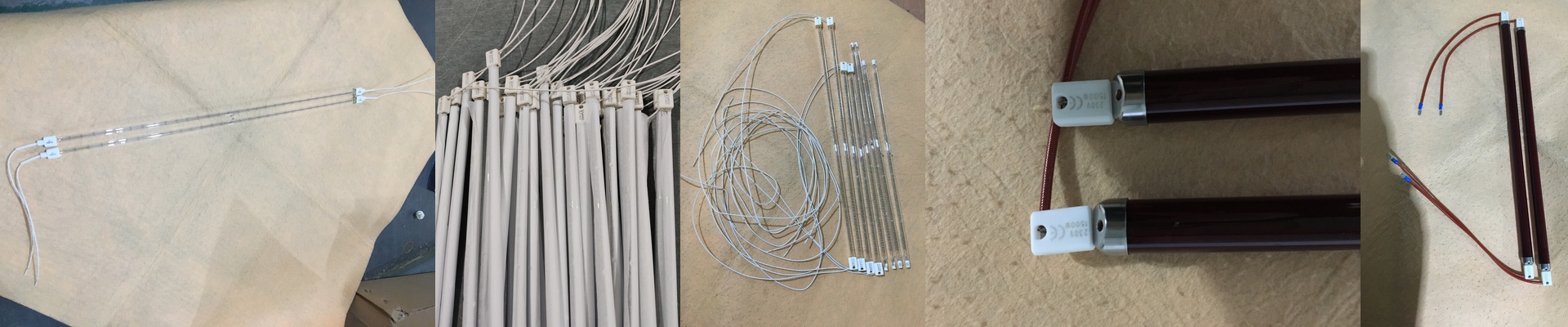
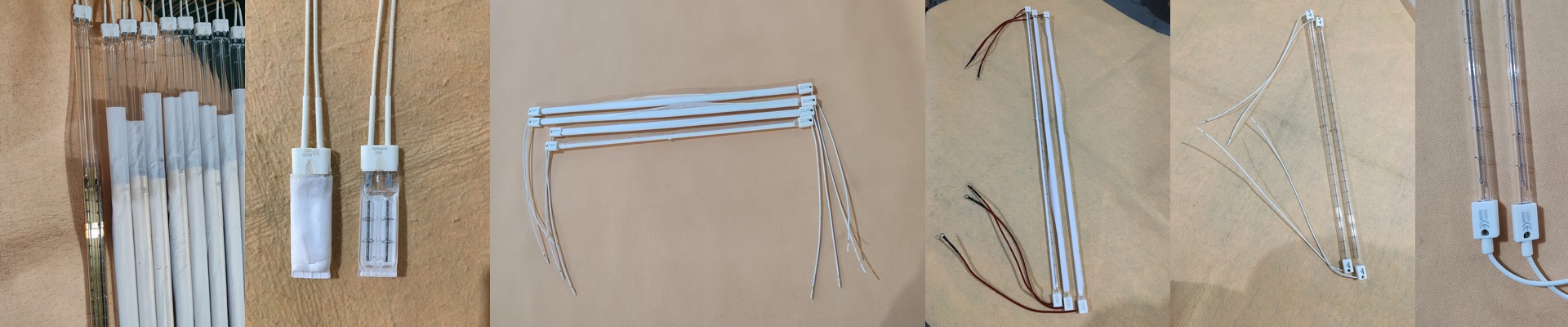
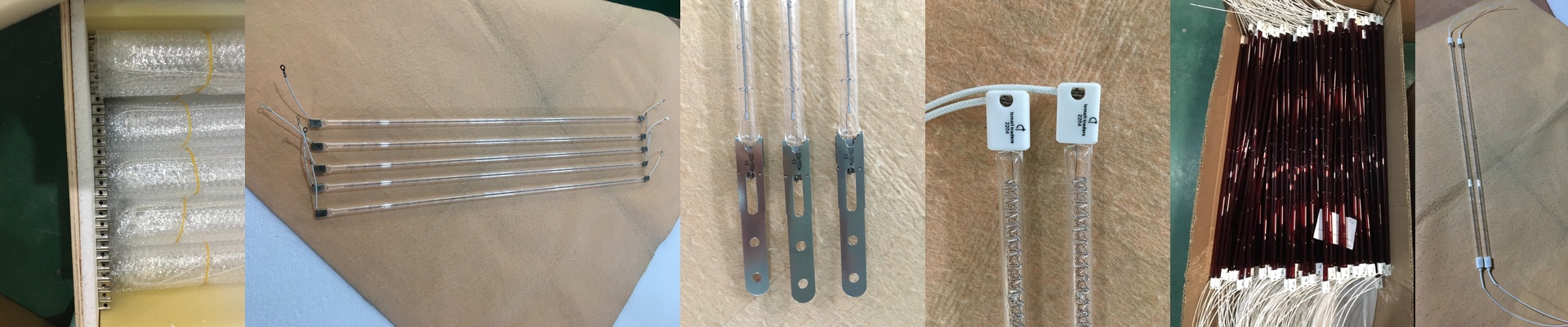
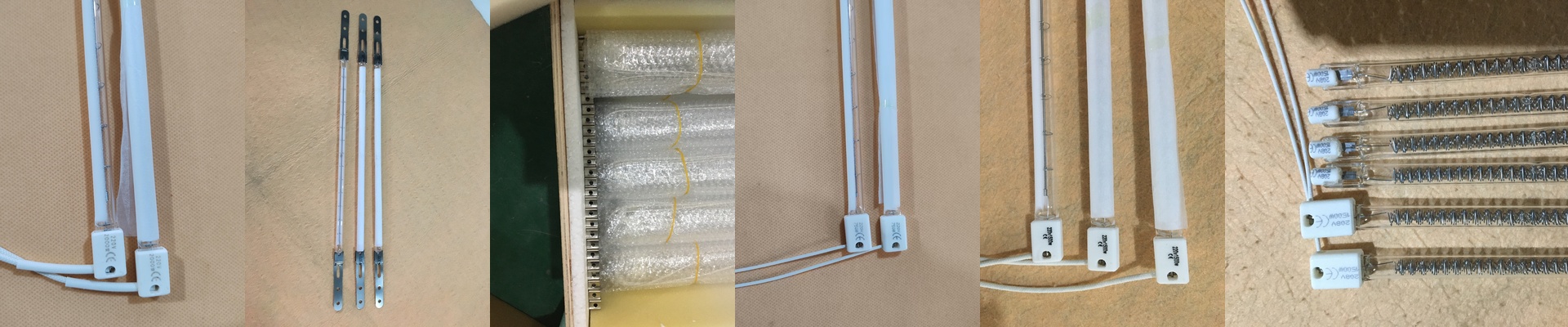
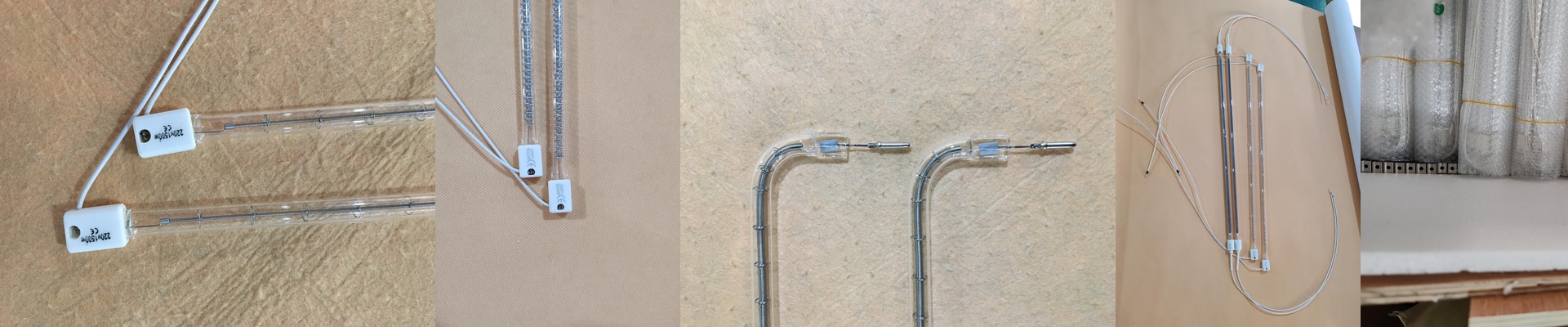
We use quartz glass infused with halogen gas. It sounds technical, but all it really does is keep the filament hotter. This pushes the energy into “short-wave” IR, which means the heat actually sinks into the coating faster instead of just sitting on the surface. Then there are the connectors—things like R7s or SK15. In a real mill, the floor is always shaking. The machines hum, they vibrate, they move. If you use cheap connectors, they wiggle loose. Once that happens, you get arcing, and your lamp burns out way sooner than it should. We use heavy-duty contacts that stay put, no matter how hard the machine is working.
Real-World Problems
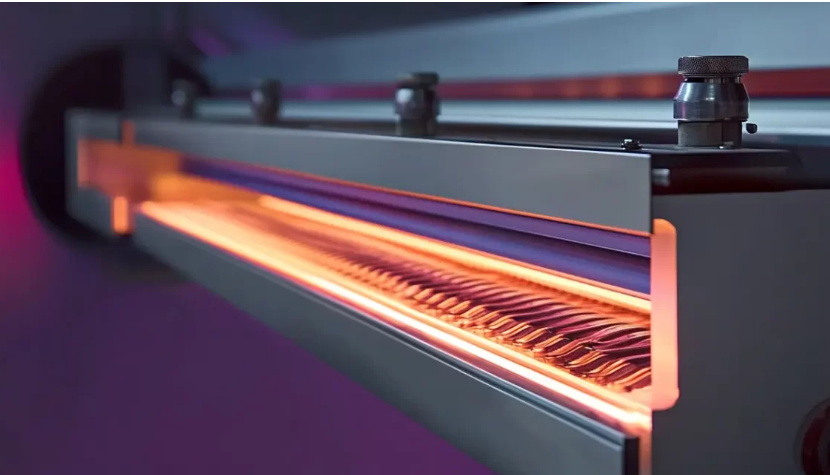
Now, this setup gives you incredible heat, but there’s a catch. Since the intensity is so high, your reflectors have to be spotless. A little bit of lint or a layer of dust on that mirror? It ruins the throw and wastes energy. It’s a pain, but it’s necessary. You also have to make sure your cooling fans are actually up to the task. If they aren’t, the housings will overheat and start to warp. We make these as drop-in replacements. That way, when it’s time to swap them out, you aren’t staring at a dead production line for hours. You just pop them in and get back to work.