Getting the Most Out of Your Quartz Halogen Tubes
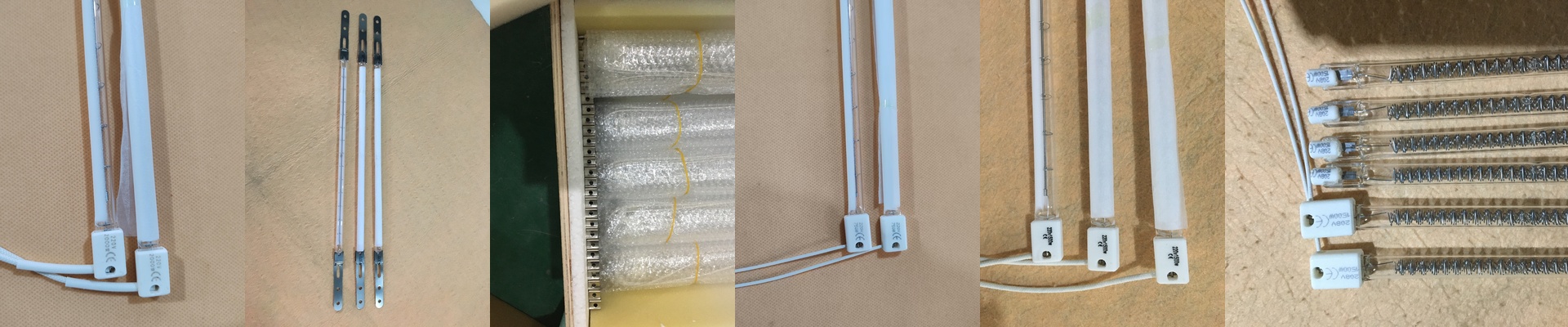
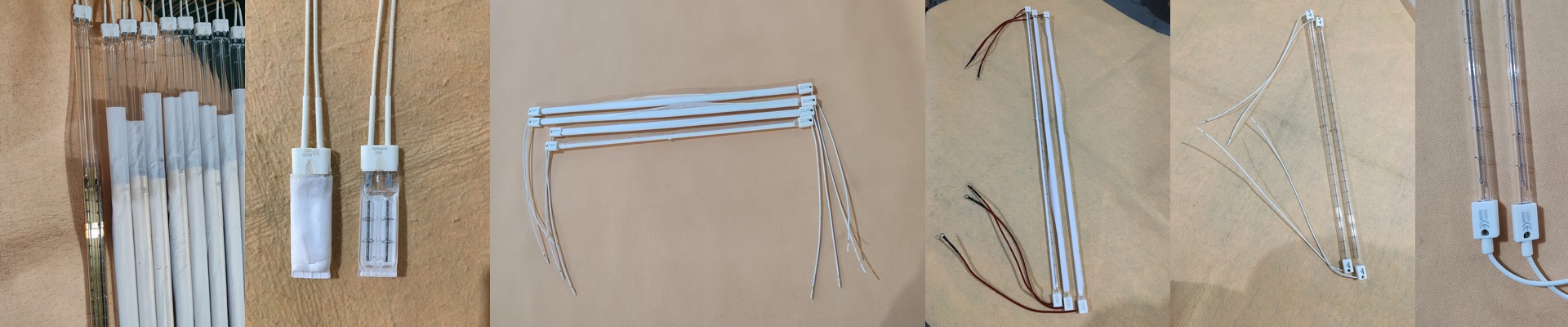
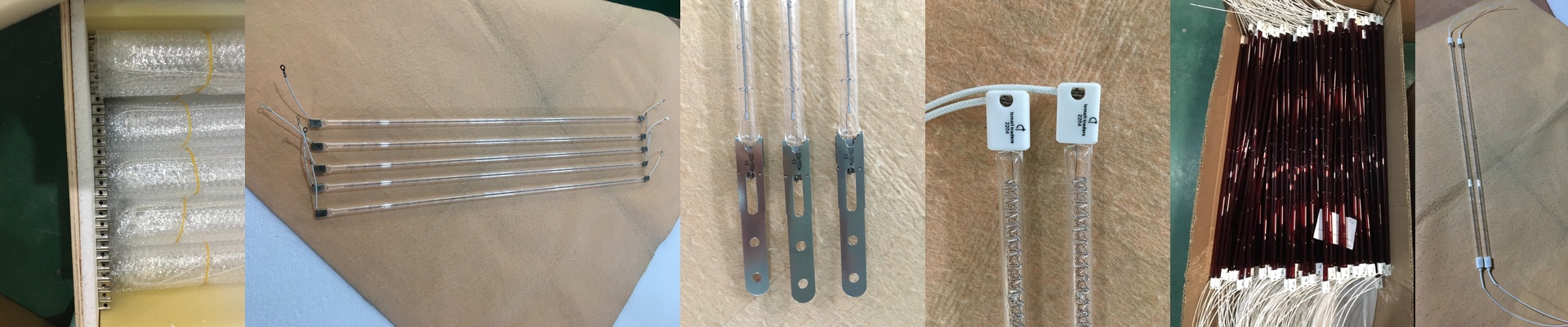
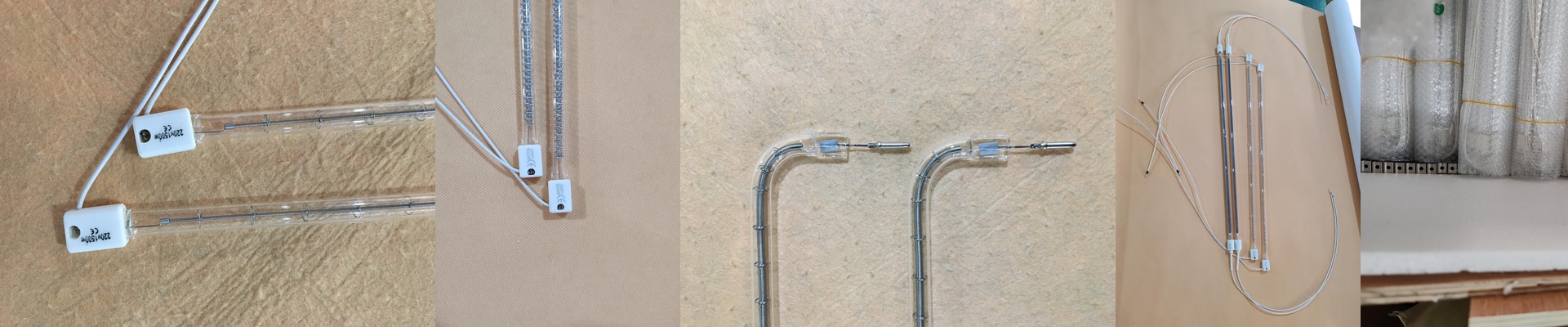
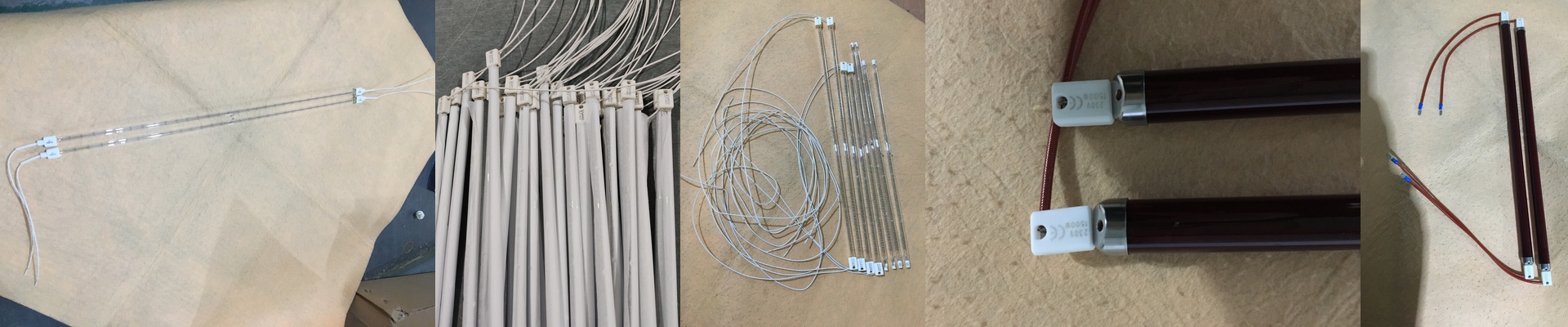
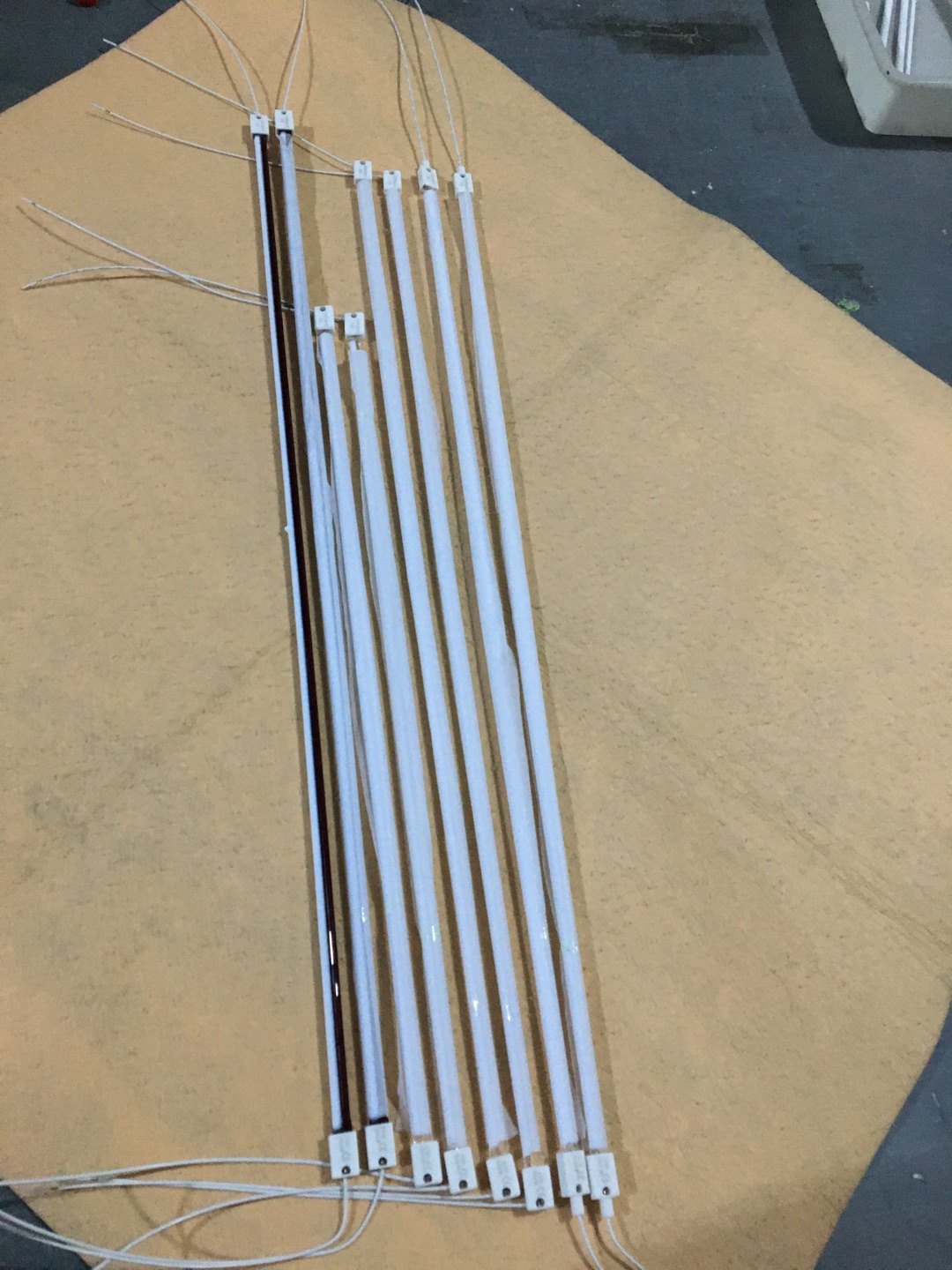
Think of these tubes as heavy-duty infrared powerhouses. We take a tungsten filament, wrap it in high-purity quartz, and fill the whole thing with a specific halogen gas mix. Why bother? Because it lets the filament run scorching hot without turning the quartz walls black. It keeps the light clear and the heat steady for the long haul. Let’s talk power. When you’re picking a tube, the voltage and wattage are what really drive your heat flux. If you cram a high-wattage tube into a small space, you get an incredible amount of heat density. It’s perfect for when you need things to heat up now. But here’s the catch: your power supply has to be a perfect match for the tube’s rated voltage. I’ve seen people try to over-volt a lamp just to squeeze out more heat—don’t do that. You’ll just fry the filament way too early. Also, make sure your controllers can handle that initial “kick” of inrush current when the halogen first fires up. The build and the bits The quartz is there because it can take a beating from extreme thermal shock. Depending on what you’re working with—metals or plastics—we can use different coatings to shift the heat from shortwave to medium-wave. Then there are the connectors, like the R7s or Sk15. They’re standard for a reason; they fit tight. You really don’t want a loose connection here. A wiggly terminal leads to arcing and hot spots, and that’s a one-way ticket to a cracked quartz tube. Real-world use and the trade-offs You’ll see these all over PET blowing and curing lines because they ramp up so fast. But that intensity comes with a price. Since the surface gets incredibly hot, you can’t skimp on your cooling system or shielding. If the air around your sockets gets too toasted, your wiring insulation will start to peel and degrade. My advice? Use high-temp silica wiring. It’s a simple swap that keeps you from dealing with annoying shorts in your heater bank.