Getting Your Halogen Replacement Lamps Right
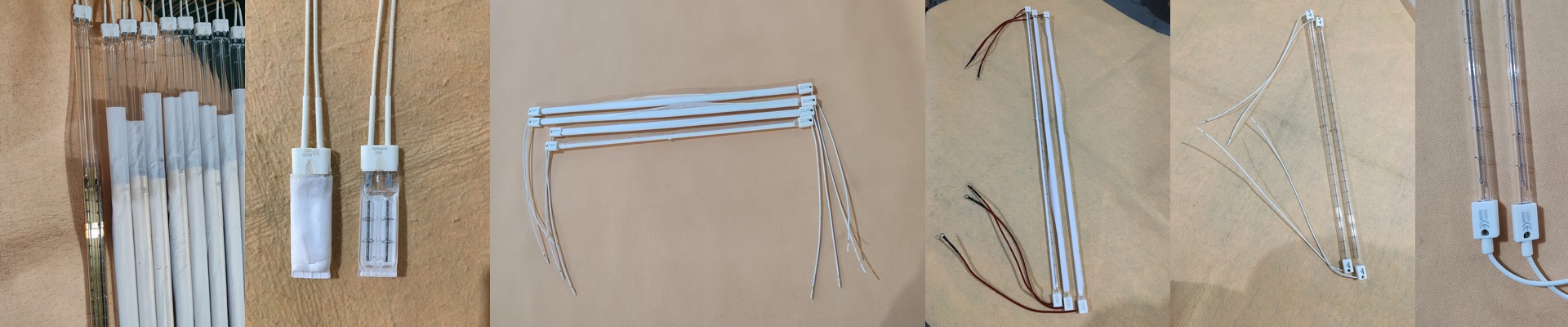
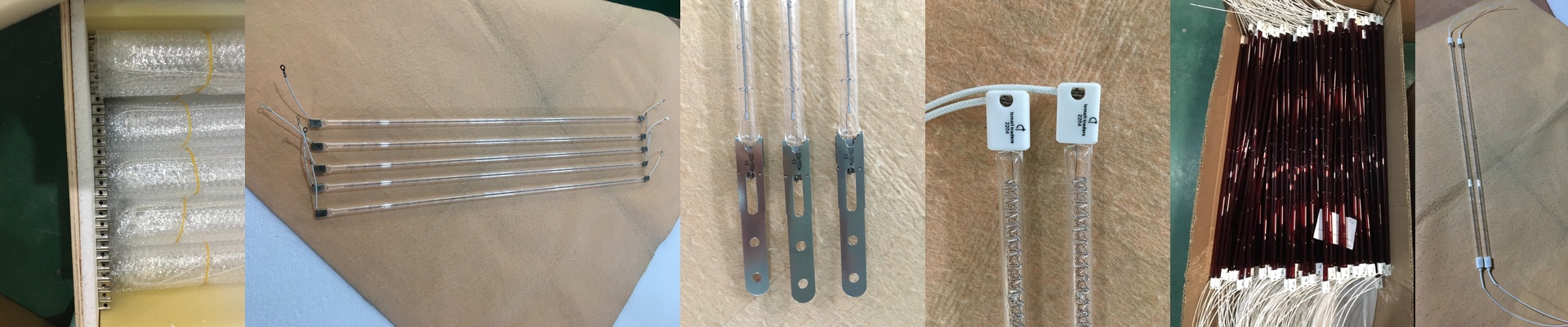
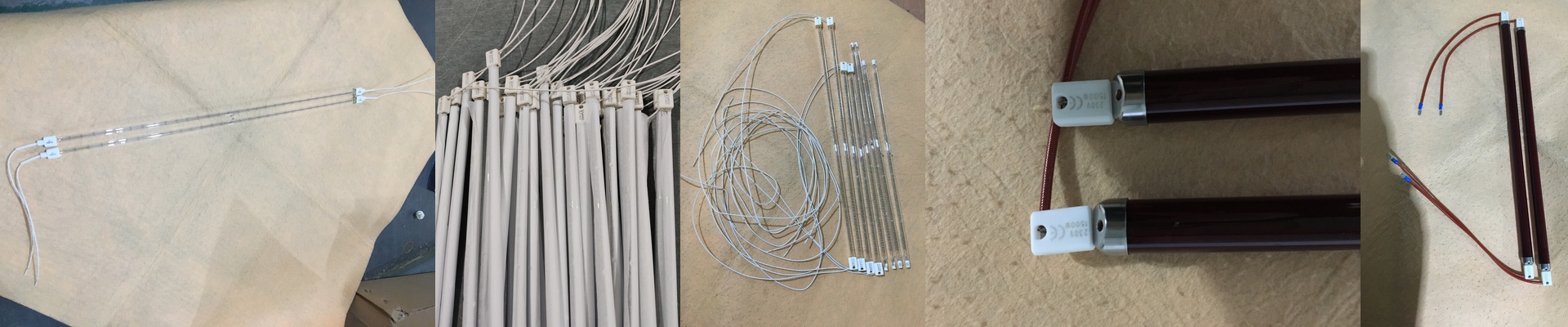
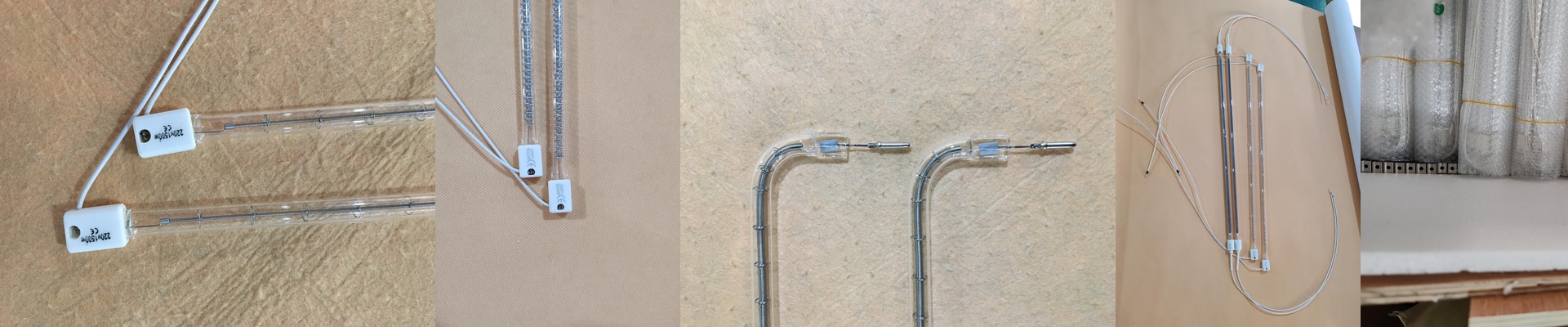
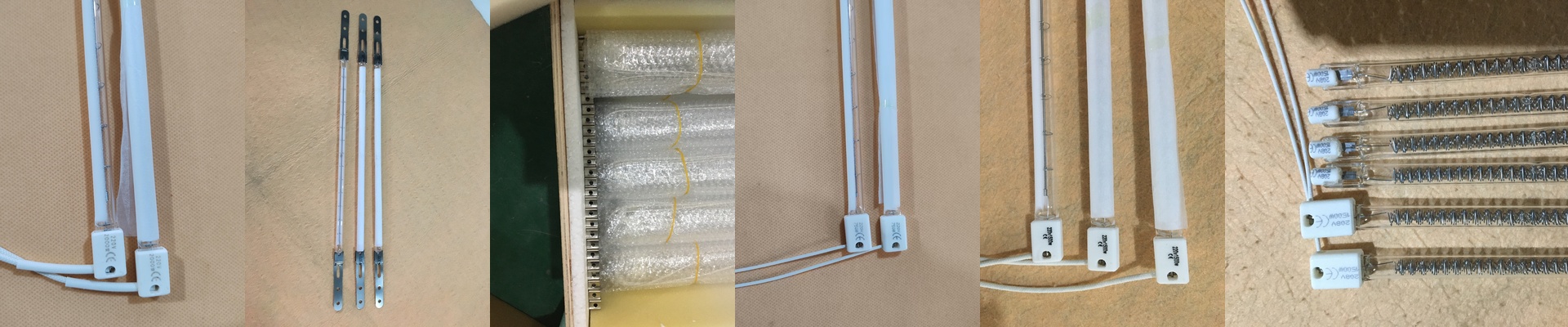
When you’re running a high-intensity curing or forming line, your halogen lamps are doing all the heavy lifting. We don’t just make “bulbs”—we build these tubes to push shortwave infrared radiation deep into your material. The goal is to actually heat the product, not just waste energy warming up the air around it. The Voltage Trap Here is the thing: if you don’t match your voltage and wattage to your power supply, you’re basically asking for a burnout. Whether you’re looking at 230V or 400V, that number dictates how much current is pulling through and how the heat spreads across the filament. Now, you might be tempted to cram more wattage into a shorter tube to get a faster ramp-up. It works, but it’s a gamble. It puts a ton of stress on the quartz and can easily fry your reflectors if the housing can’t handle the heat. Built to Handle the Heat We use high-purity quartz for the envelope because this stuff takes a beating. It handles extreme thermal shock without cracking and lets the IR light pass right through. As for the plugs, we stick to the classics like R7s or SK15. They’re designed to be drop-in replacements. But be careful. A loose R7s connection is a nightmare—it creates a tiny arc of electricity that will melt your socket and kill your lamp way before its time. Make sure it’s snug. A Few Tips for the Floor The best part about these lamps? They’re instant. No waiting around for a warm-up period. But that instant heat comes with a catch. These things get scorching hot, so your cooling fans have to be working perfectly. If your airflow dips, the ends of the lamp will overheat and pop. And while you’re swapping them out, do yourself a favor and check the reflectors. If they’re off by even a few millimeters, your focal point shifts. That’s how you end up with those annoying cold spots in your PET blowing or curing process. Just wire them up to the right voltage, keep the air moving, and they’ll last.