Shortwave vs. Medium-wave: Which IR Lamp Actually Works for Your Fabric?
Picking the wrong infrared wavelength for drying textiles is a recipe for disaster. I’ve seen it happen way too often: an engineer picks a lamp based on wattage alone, ignores how the material actually absorbs heat, and ends up with a massive electric bill and a pile of scorched fabric. It’s a frustrating way to waste money.
Let’s talk wavelengths
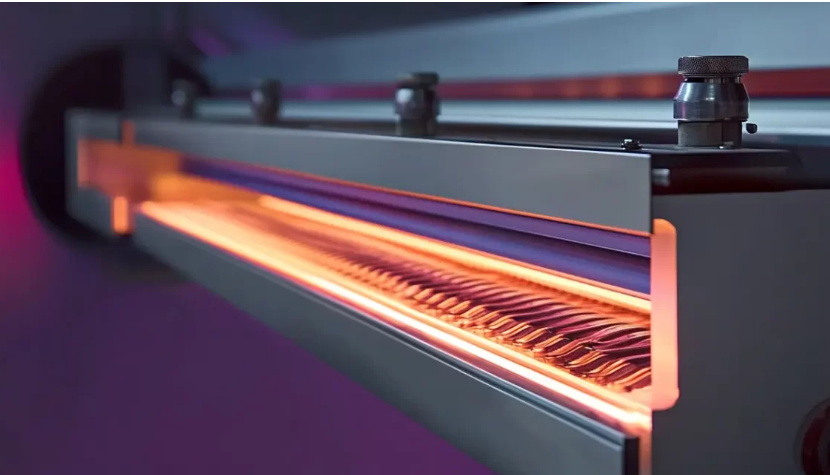
Shortwave IR (SWIR) is all about speed. It hits the surface hard and fast. If you’re doing flash-drying or your conveyor line is squeezed into a tiny corner of the factory, this is your best bet. It gets the job done instantly. But if you’re dealing with thick fabrics, you need Medium-wave (MWIR). Here’s the thing: most fibers and moisture actually “prefer” medium-wave. It sinks deeper into the material. This means you can dry the core of a heavy cloth without accidentally frying the top layer. It’s a much gentler, more thorough process.
The gear inside the tube
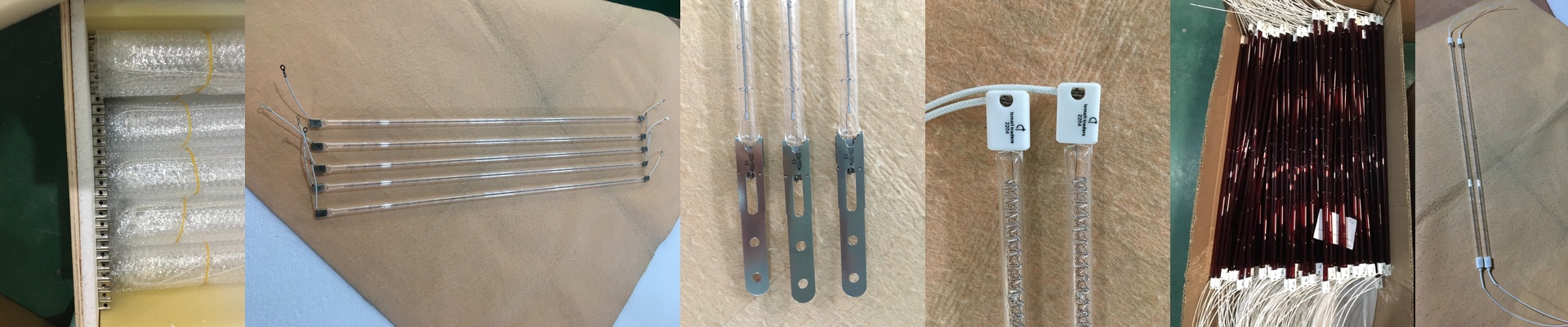
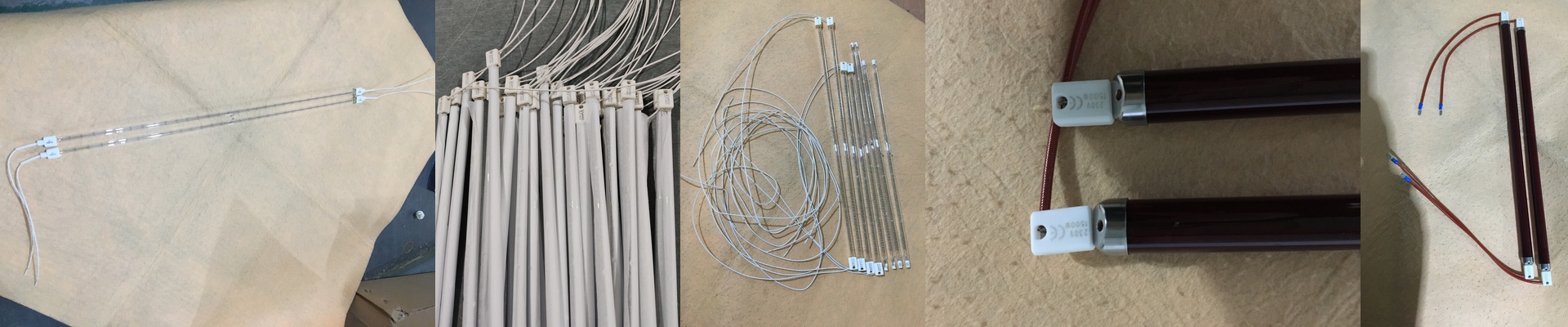
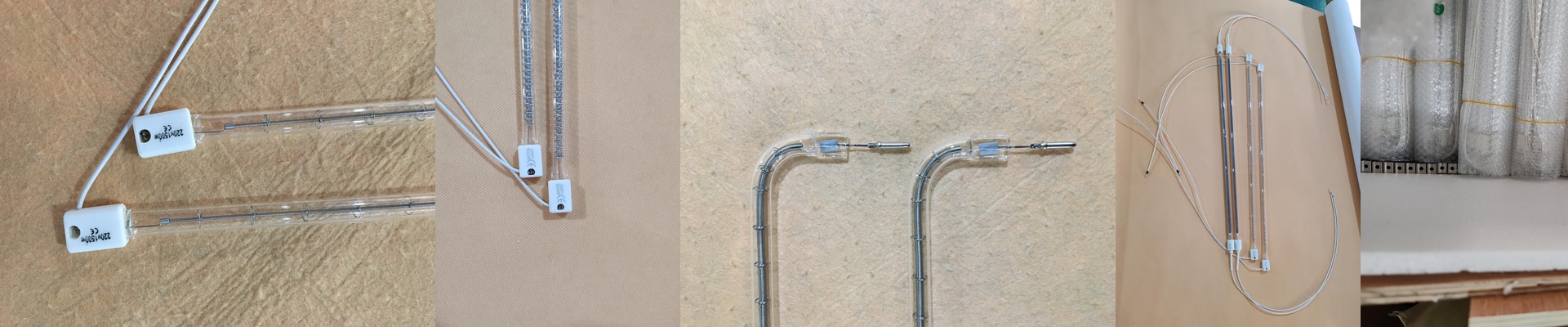
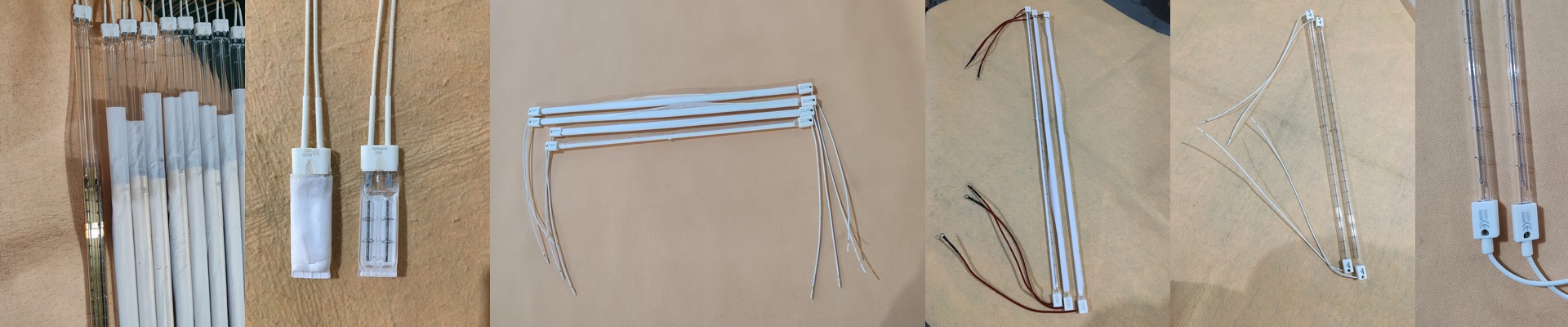
We use high-purity quartz for these. Why? Because it can take the thermal shock and doesn’t crystallize when things get blistering hot. Then there’s the coating. Clear quartz just lets the radiation fly straight through. Coated tubes, on the other hand, bounce the heat back toward the fabric. It makes the drying more intense, but it also makes the lamp itself run much hotter. If you go with a high-wattage coated tube, don’t skimp on the cooling system. If you do, you’re just waiting for your sockets to melt.
Getting it running
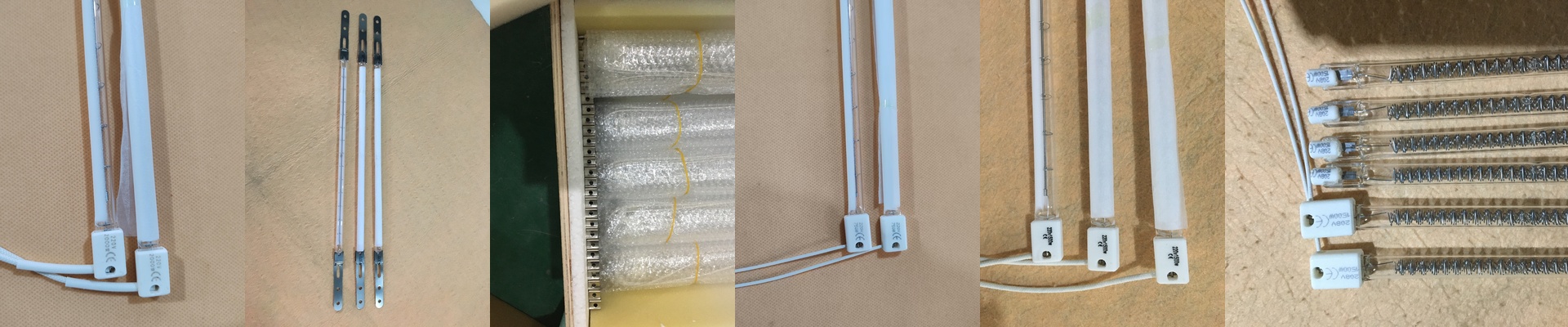
Wiring these into a production line takes a bit of a steady hand. Whether you’re using R7s or Sk15 connectors, keep those contact points spotless. A little bit of grime leads to arcing, and arcing leads to a dead lamp way before its time. And a quick tip on power: match your voltage to the line load. If you have a long run of lamps, voltage drops are a real pain. Also, if you’re running 300mm tubes at high wattage, make sure your controllers can handle that initial “kick” of current when you flip the switch. To keep things moving, I always suggest a drop-in replacement strategy. That way, when a tube finally gives up the ghost, you can swap it out and get back to work in minutes, not hours.