Getting Your IR Wavelengths Right for Fabric Dye
Here’s the thing about Monforts stenters and dyeing ranges: speed is everything. But that speed doesn’t come from just cranking up the heat. It comes from how much IR energy the fabric actually grabs. If you’re using a lamp that emits a wavelength the dye doesn’t “see,” you’re basically just paying to heat the air in the room. It’s a total waste of electricity.
The trick to absorption
Every dye has its own sweet spot—a specific spectrum where it absorbs energy best. We pick IR lamps that hit those exact peaks. Usually, you need Medium-Wave (MW) or Short-Wave (SW) IR to actually get deep into the fiber core. When the lamp’s output matches the dye’s needs, the energy jumps straight into the molecule. It’s efficient. It’s clean. And it means your fabric spends way less time sitting in the heating zone.
The gear behind the heat
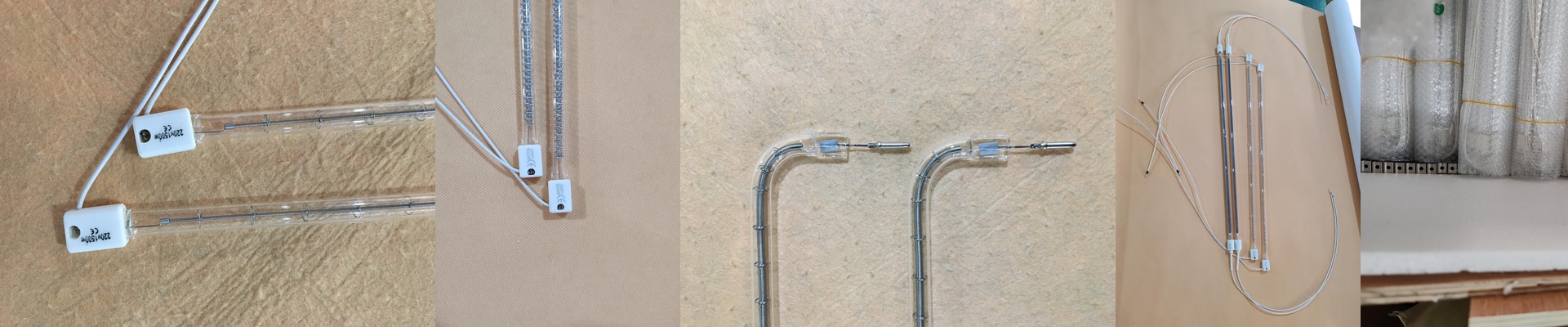
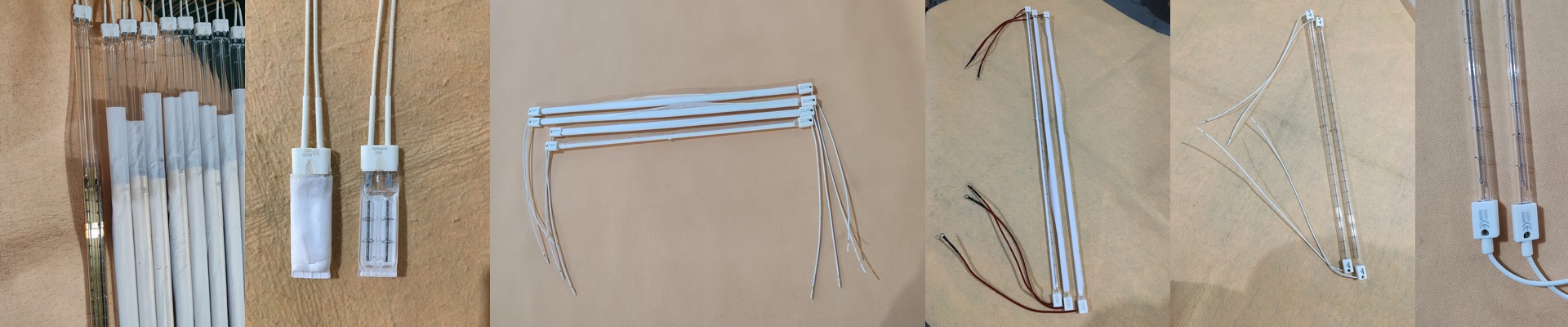
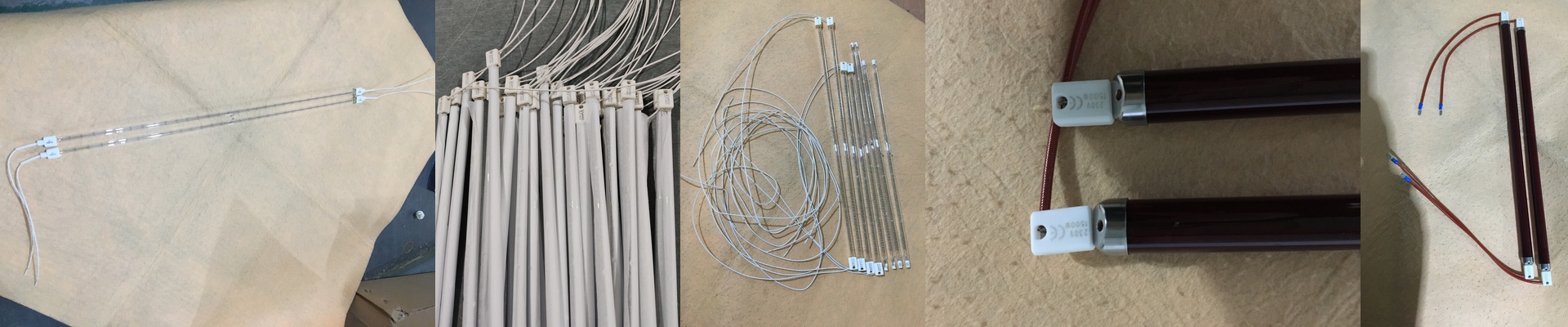
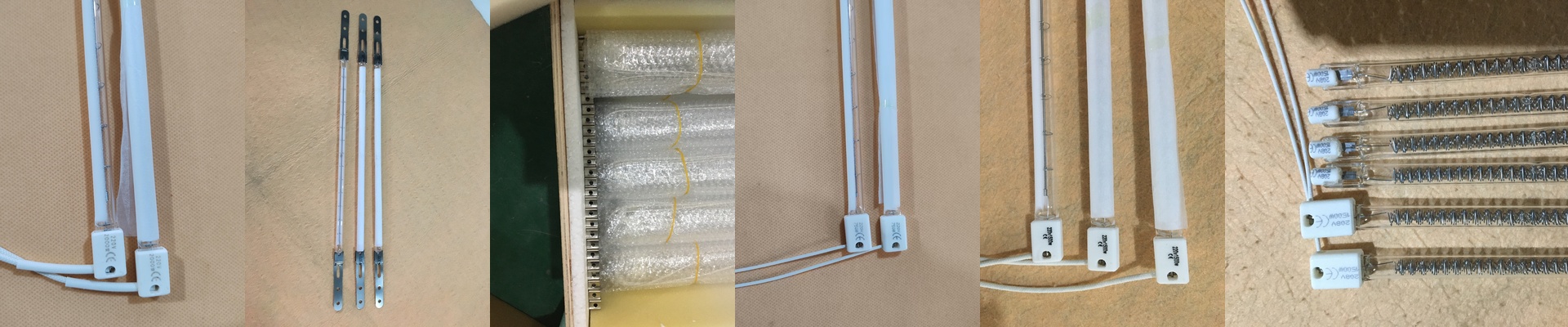
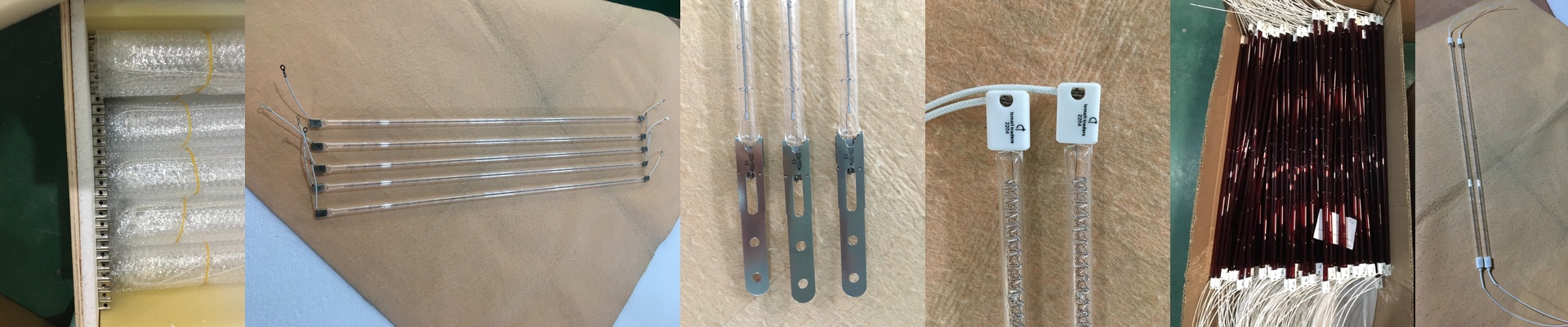
To make this work, we use lamps with a high wattage-per-centimeter ratio. By using high-voltage tubes, we can pack more power into a smaller space. This creates a concentrated heat zone. You get a much faster ramp-up to that critical fixation temperature. We also use quartz glass with special coatings to tweak the emission curve. Think of it like a lens that narrows the bandwidth. It focuses the energy on the specific microns the dye loves. This is a lifesaver because it prevents the surface of the fabric from scorching while the center is still trying to get warm.
Real-world setup and the trade-offs
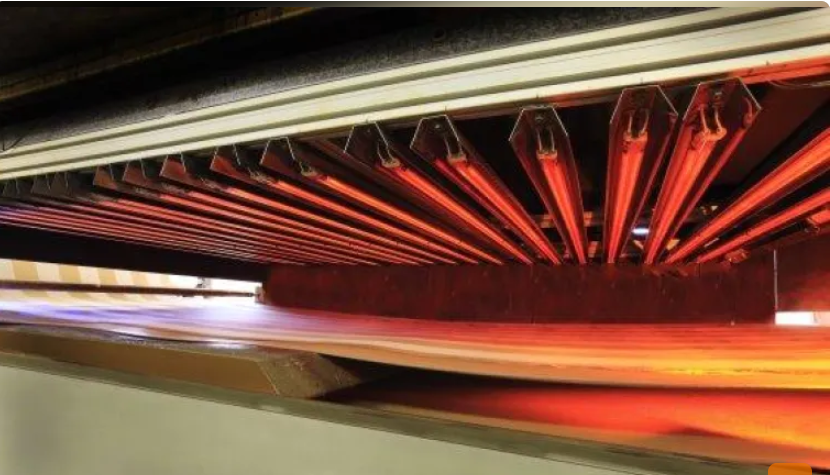
We’ve designed these to be drop-in replacements for Monforts systems, so you don’t have to mess around with complex rewiring. It just works. But there’s a catch. When you push this much power density, your reflectors have to be spotless. Seriously. A little bit of dust or oxidation and your efficiency just tanks. Also, keep an eye on your power supply. These high-output lamps pull a lot of current, which can stress out your controllers if they aren’t up to the task. Match the wave, keep your reflectors shiny, and you’ll see those dwell times drop fast.